Matera is a year-round destination, but the experience changes sharply with the seasons. The old town is built of pale stone on a slope, so heat, cold, light and crowds all feel different from one season to the next. This guide helps you decide when to go and how to prepare.
Spring
Spring is one of the best times to visit. Temperatures are mild, the countryside is green, wildflowers cover the Murgia plateau and the light is soft. Days are long enough for a full programme of walking, churches and canyon views. This is also a busy season, with Easter and holiday weekends drawing crowds, so book guided tours, restaurants and accommodation early. Pack layers, since mornings can be cool and a shower is possible.
Summer
Summer is hot, and the stone reflects the heat. Midday walking is tiring, there is very little shade in the Sassi and the sun is intense. The advantage is long daylight and a lively evening atmosphere, with terraces full and cave bars busy. If you visit in summer, plan your sightseeing for early morning and late afternoon, rest indoors during the hottest hours, drink plenty of water and wear a hat and sunscreen. Ask your accommodation about air conditioning. Early July is associated with a major local festival in honour of the Madonna della Bruna, which brings processions and crowds, so check dates if you want to see it or avoid it.
Autumn
Autumn is the other prime season. Temperatures ease, the light turns warm and golden, and the harvest brings olives, grapes and festivals to the countryside. Crowds are lighter than in spring, though holiday weekends can be busy. Rain becomes more likely later in the season, and polished limestone is slippery when wet, so shoes with grip are essential. It is an excellent time for food experiences, olive grove visits and wine tastings.
Winter
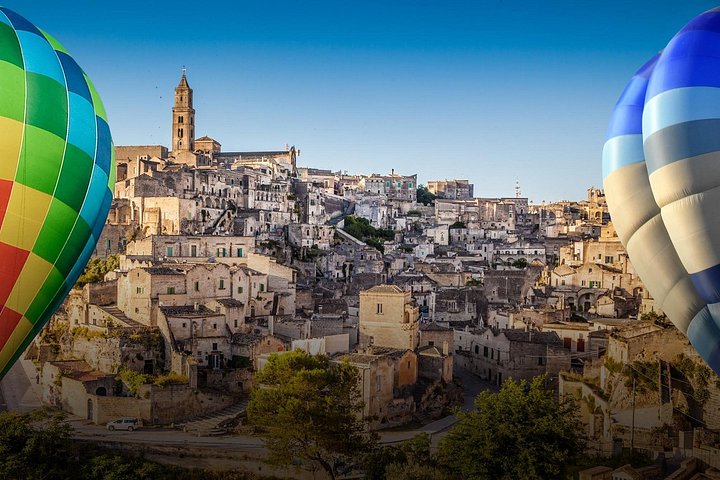
Winter is quiet and atmospheric. Mornings can be damp and chilly, stone buildings feel cold, and some tours or restaurants operate shorter hours or close for a break. In return you get empty lanes, soft light and lower prices. Christmas brings lights and nativity traditions to the old town, which is a particular draw for some travellers. Pack warm layers, a waterproof jacket and shoes that handle wet stone, and check that your accommodation has heating. Balloon flights, canyon walks and some outdoor activities are more weather-dependent in winter.
Crowds and timing
Day trippers arrive by late morning and leave by late afternoon, so early mornings and evenings are the quietest and most atmospheric times to walk the Sassi. A stay of at least one night lets you enjoy the old town when it empties out. Weekends and holiday periods are busier than midweek.
Light and photography
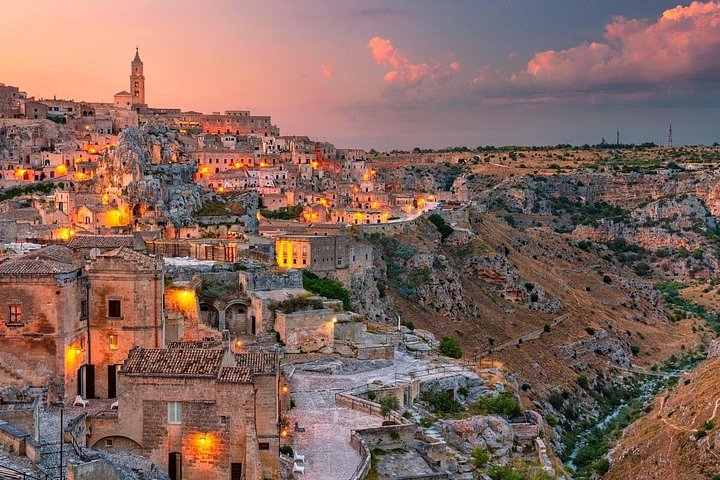
The stone changes colour through the day. Early morning light is soft and pale, midday is harsh and flat, late afternoon is golden, and the blue hour after sunset is magical as lamps come on. The best view of the Sassi is from the plateau opposite, which is at its finest around sunset. Check the sunset time for your travel dates, since it shifts a lot through the year.
What to pack
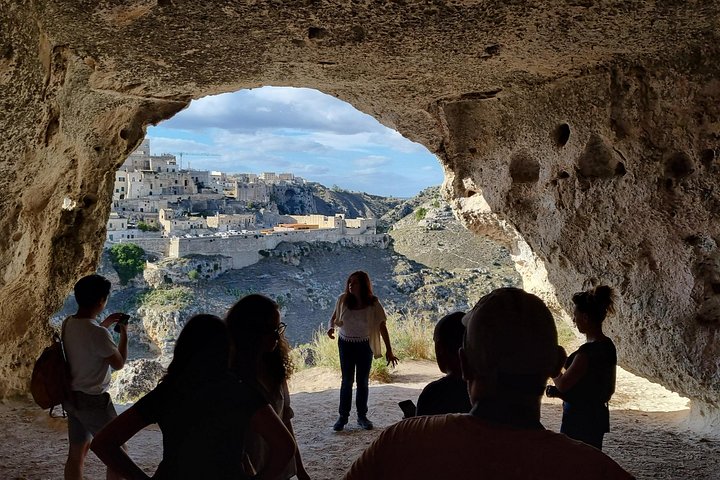
Comfortable shoes with real grip are the single most important item. Add a hat, sunscreen and water bottle for warmer months, and warm layers and a rain jacket for cooler ones. A small day bag is easier than a large one, and a torch or phone light helps in dim cave interiors and on dark paths. For churches, bring a scarf or layer to cover shoulders and knees.
Weekly rhythms
Some museums and shops close on one day of the week, and opening hours change by season, so check details in advance. Many restaurants close for a day midweek, and lunch hours differ from dinner hours. Reserve dinners at weekends.
Which season suits you?
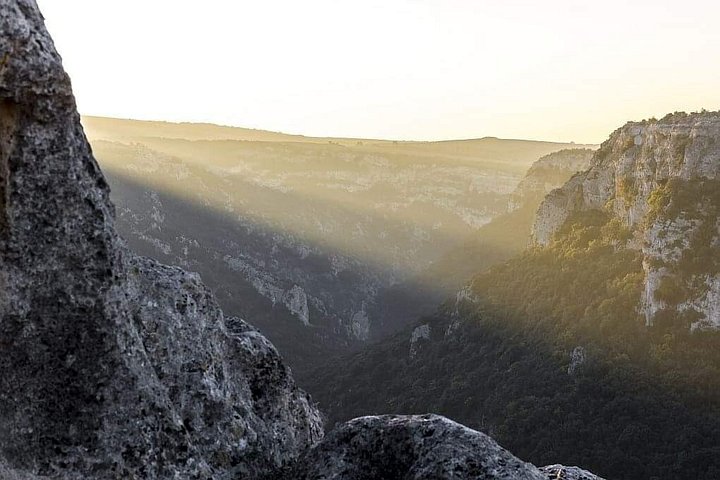
For walking and photography, choose spring or autumn. For long evenings and lively terraces, summer works if you plan around the heat. For quiet, atmosphere and value, consider winter. For balloon flights and canyon hikes, spring and autumn offer the best conditions. Whatever the season, give yourself time and leave a little flexibility in your schedule.