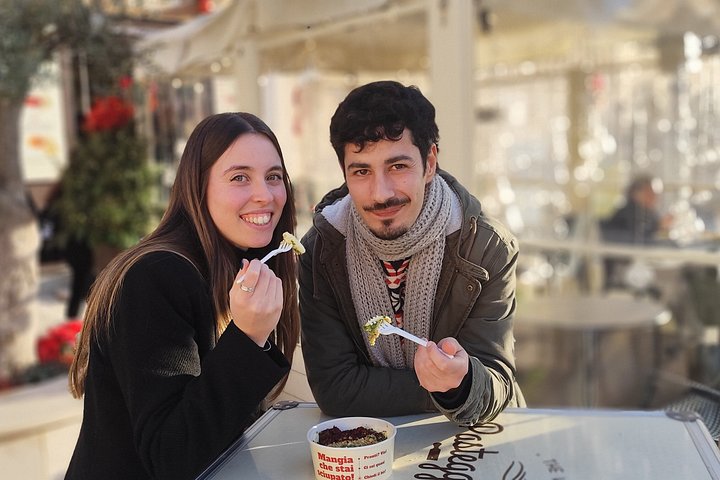
Matera's cooking grew out of poverty and ingenuity. For centuries the people of the Sassi had little meat, little money and plenty of bread, legumes, wild greens and olive oil. The result is a cuisine that is simple, honest and satisfying, and which has become a reason to visit in its own right. This guide explains what to look for, where the traditions come from and how to eat well.
Bread first
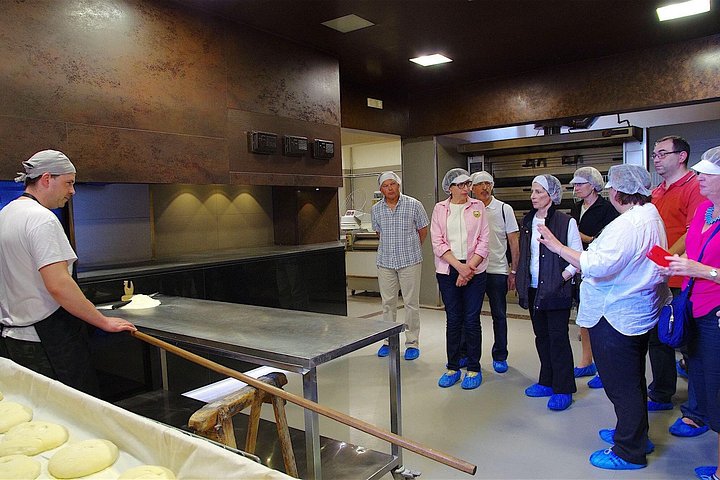
Pane di Matera is the city's signature, a large, high-domed loaf made from durum wheat semolina with a deep golden crust and soft yellow crumb. It keeps for days, which mattered when families baked once a week and carried loaves to a communal oven, marking them with a wooden stamp. You can buy it at bakeries across the city, eat it with olive oil, or learn to make it in a workshop. Bread appears in many dishes, from soups to salads, and it is worth tasting it plain first.
Soups and legumes
Look for crapiata, a hearty soup of legumes and grains. Chickpeas, beans, lentils and fava are common, often cooked with greens and a drizzle of oil. These dishes are filling and cheap, and they show the soul of the cuisine. Many restaurants offer a version, particularly in cooler months.
Pasta
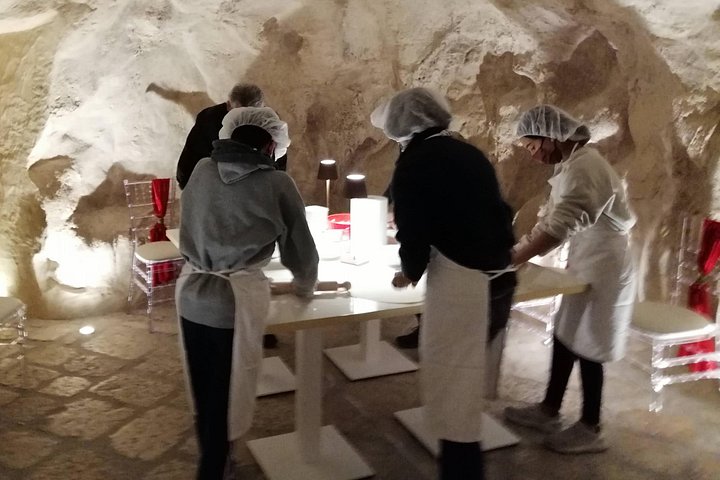
Handmade shapes like orecchiette and strascinati are made from durum flour and water, often without eggs. They come with simple sauces such as turnip tops, tomato, garlic and chilli, or lamb ragu. A cooking class is a good way to learn the technique and see why the texture matters.
Peppers and cured meats
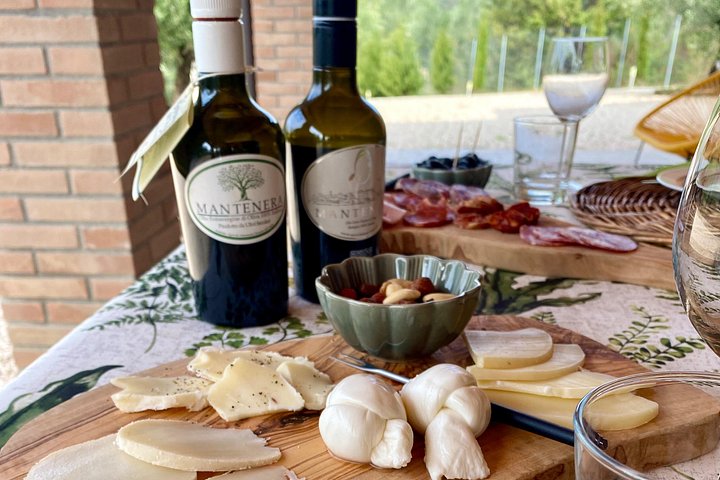
Basilicata is known for its dried sweet peppers, which are fried until crisp and used as a garnish or snack. Lucanica, a spiced pork sausage, and other cured meats are staples of antipasto boards. Pair them with local cheese and bread for a classic cave lunch.
Cheese and dairy
Caciocavallo, ricotta and fresh mozzarella and burrata from nearby Puglia appear on menus. Ask for a tasting plate to compare textures and ages. Cheesemakers in the area offer visits and tastings if you want to see how the cheese is made.
Wine
The star is Aglianico del Vulture, a structured red grown on the slopes of an extinct volcano north of Matera. Local whites, rose and sparkling wines are also made, and cave bars in the Sassi often pour them by the glass with a plate of local products. If you enjoy wine, a short tasting in a cave is a pleasant way to spend an early evening. After dinner, try a herbal amaro, a bittersweet digestif that is a regional tradition.
Olive oil
Fresh oil is peppery and green. A visit to an olive grove with a tasting shows how to judge quality, and a small bottle makes a good gift. Look for harvest dates on labels, and buy from producers where possible.
Sweets
Expect almond biscuits, pastries filled with ricotta or fruit, and festival sweets that vary by season. A coffee and a pastry at a local bakery is a pleasant way to start the day, and a few almond biscuits in a paper bag make a good snack for the steps ahead.
How to eat well
Book dinner at cave restaurants ahead at weekends and in busy seasons. Lunch is usually the main meal for locals, and many places offer a simple fixed menu. If you want a full picture, take a food walking tour early in your stay, which gives a shortlist of places to return to. Tell restaurants about allergies or dietary needs, since menus lean on meat, cheese and wheat. Vegetarians can eat well on legumes, vegetables, pasta and cheese, while vegans may find options narrow.
Etiquette
Meals are leisurely. Service can be relaxed, and bread and a cover charge often appear on the bill. Tipping is modest and not obligatory, though rounding up is appreciated. Dress is casual, and you will be climbing stairs between courses, so comfortable shoes are the order of the day.
A sample day
Start with coffee and a pastry, walk the lanes, have a light lunch of soup or pasta, take an afternoon rest, then enjoy an aperitivo with local wine and finish with a late dinner in a cave. It is a rhythm that suits the city, and it leaves you ready for the next day of walking.