Maui is called the Valley Isle, and it rewards visitors who understand its shape. Two volcanic masses, the West Maui Mountains and the huge dome of Haleakala, are joined by a low isthmus, and nearly every choice you make, from where to sleep to when to drive, follows from that geography. This guide gives a first-timer the essentials without the guesswork.
Know the five regions
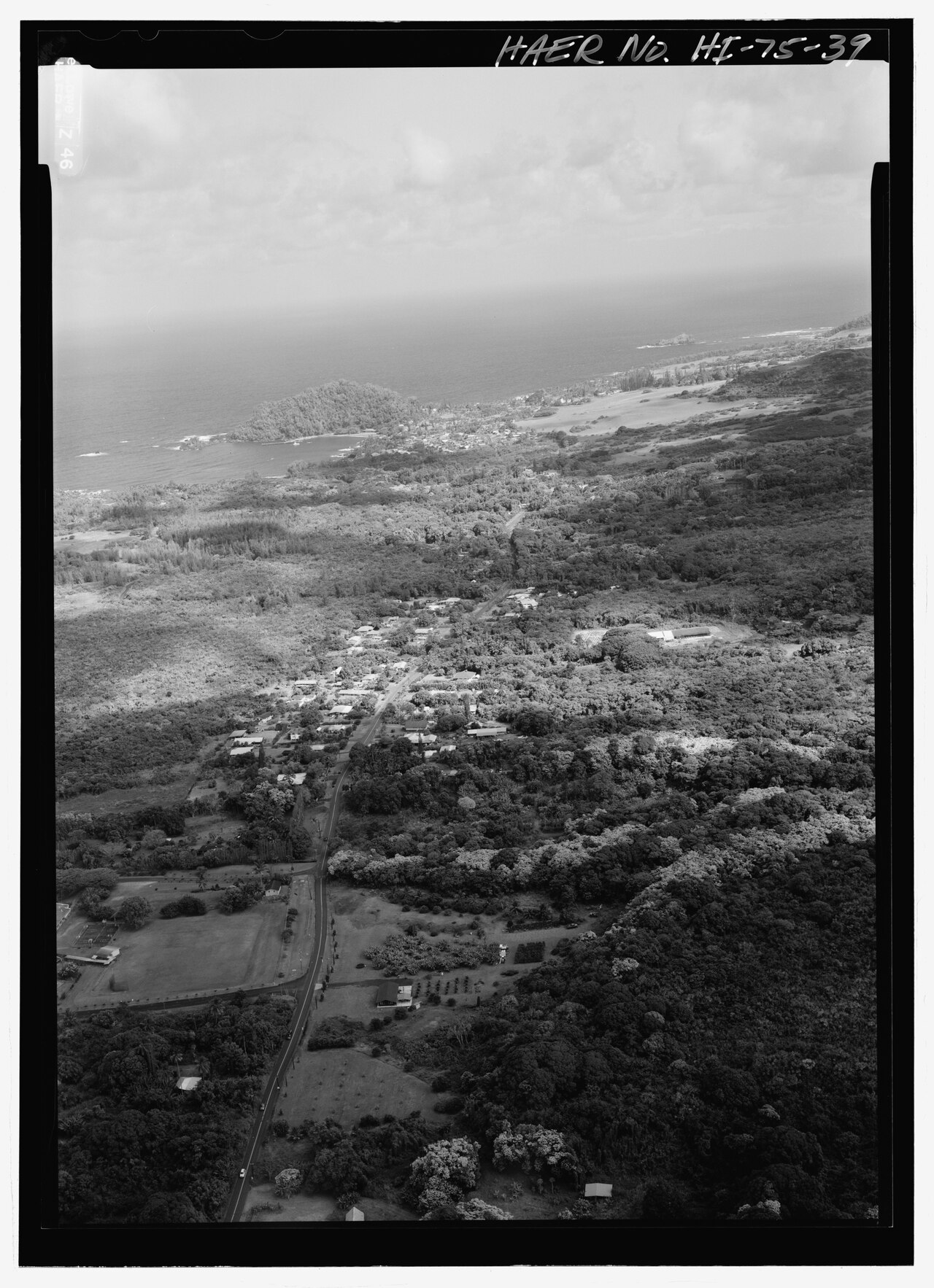
West Maui, centered on Kaanapali and Kapalua, offers long beaches, evening sunsets and a lively resort scene. South Maui, including Kihei, Wailea and Makena, is the driest and sunniest part of the island, with calm summer water and easy access to Molokini. Upcountry climbs the slopes of Haleakala through cool farm and ranch country. The North Shore around Paia is a surf and windsurf town at the start of the Road to Hana. East Maui is the rainforest side, with waterfalls, black sand and the remote town of Hana. Most visitors base on the west or south coast and make day trips.
Choose your base wisely
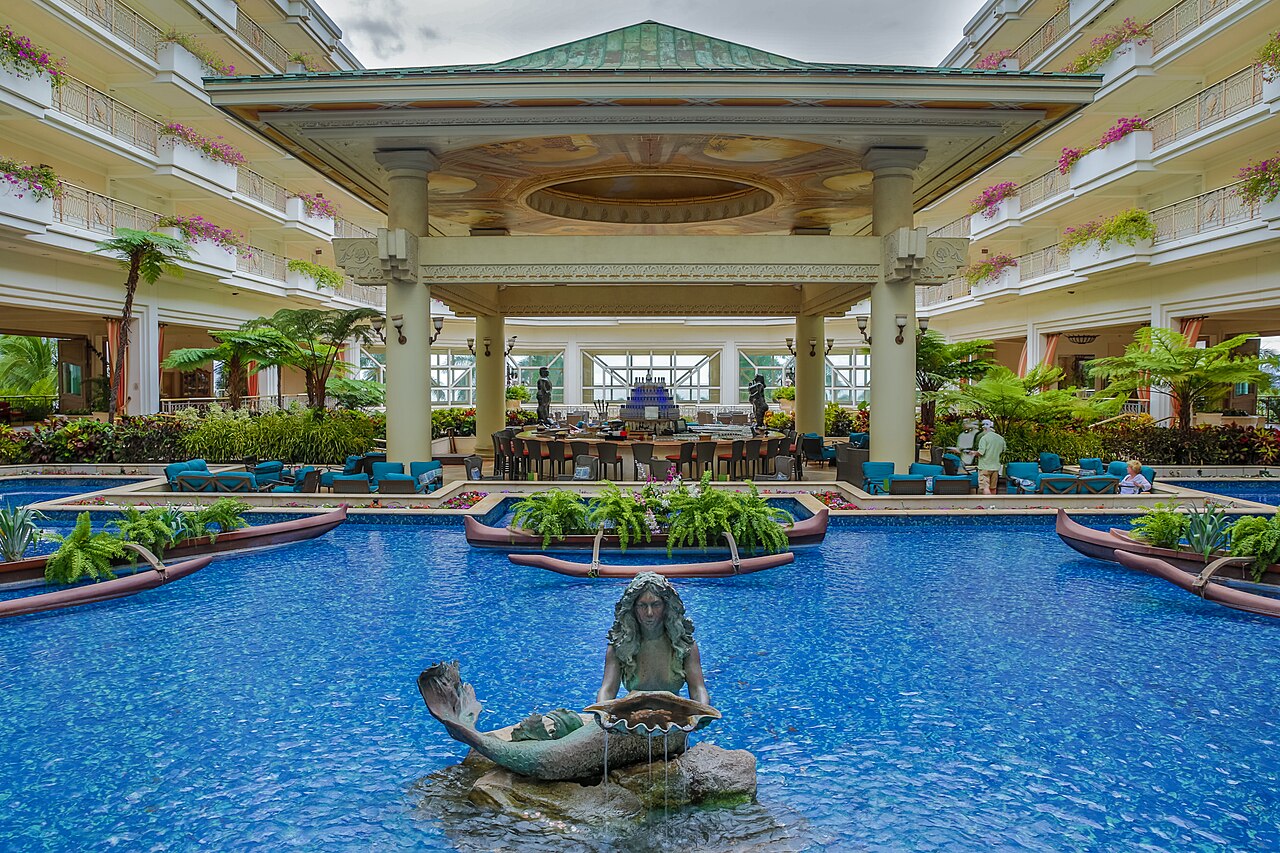
Kaanapali and Kapalua suit travelers who want golden beaches, evening luaus and a walkable resort strip. Wailea and Kihei suit those who want reliable sun, snorkeling and quick access to Molokini cruises. Hana is for people who want to slow down. Remember that crossing the island is not quick: a drive from Kaanapali to Wailea can take well over an hour, and a Road to Hana day is long. Splitting a week between two bases is a sensible approach.
When to go
Maui is a year-round destination. Winter, roughly December through April, is peak season for humpback whales, and prices and crowds are at their highest. Spring and fall are quieter, with good weather and softer rates. Summer brings calmer seas on the north and west sides, which is good for snorkeling, and also brings school holiday crowds. The south and west coasts are drier than the windward side, so if rain worries you, stay there and head to Hana on a clear day.
Book the big things early
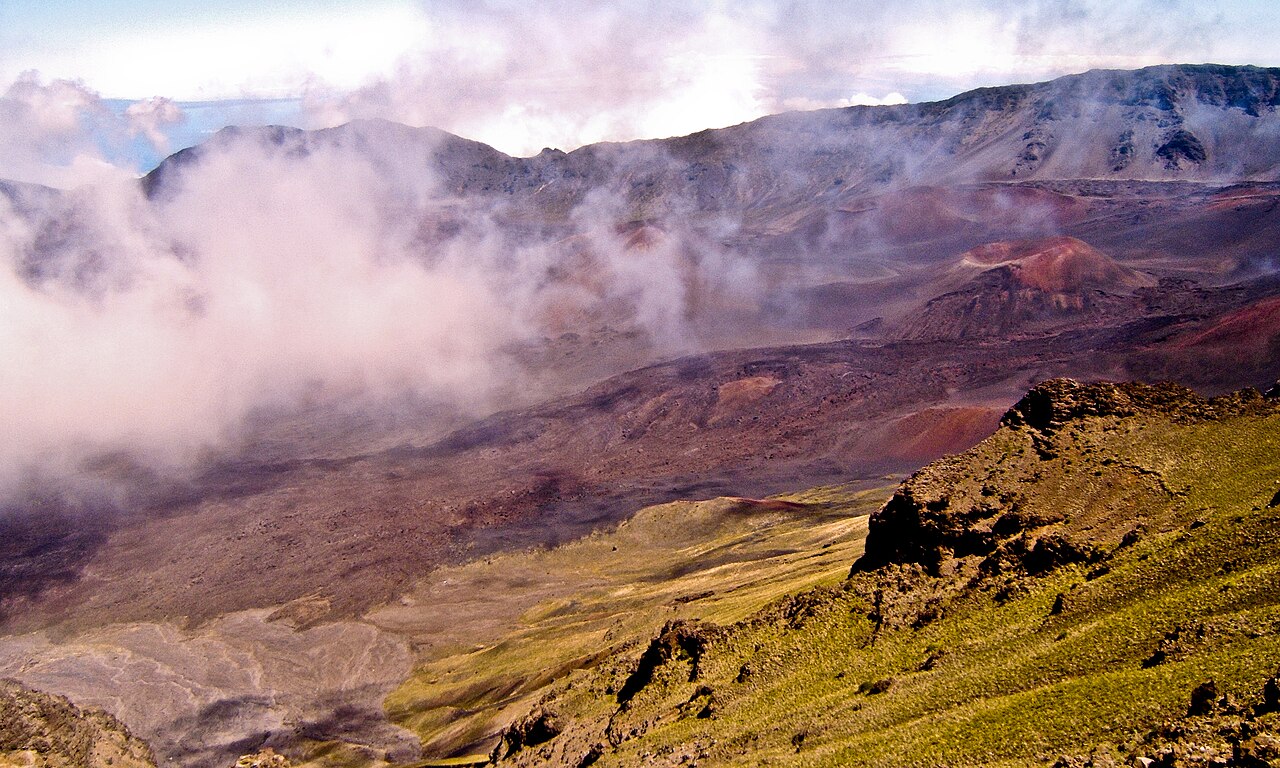
A few experiences sell out or require reservations. Sunrise at the Haleakala summit has required an advance reservation through the national park, released ahead of time, so check the park's page as soon as your dates are firm. The Waianapanapa black-sand beach on the Road to Hana has required timed reservations for non-residents, and Iao Valley has also managed entry. Popular luaus, snorkel cruises to Molokini and whale-watching trips in season fill up quickly. Rental cars can be scarce and expensive in peak weeks, so reserve early.
Rent a car, but not for everything
Public transit is limited, and a rental car gives you freedom to see the island. Many visitors skip a car on days they take guided tours, which handle the driving on the Road to Hana, Haleakala and Molokini. Roads can be narrow and winding, parking is tight at popular beaches and breakdowns happen, so budget extra time. Respect rental agreements that restrict certain roads, such as parts of the Kahekili Highway and the backside of Hana.
Plan around the ocean
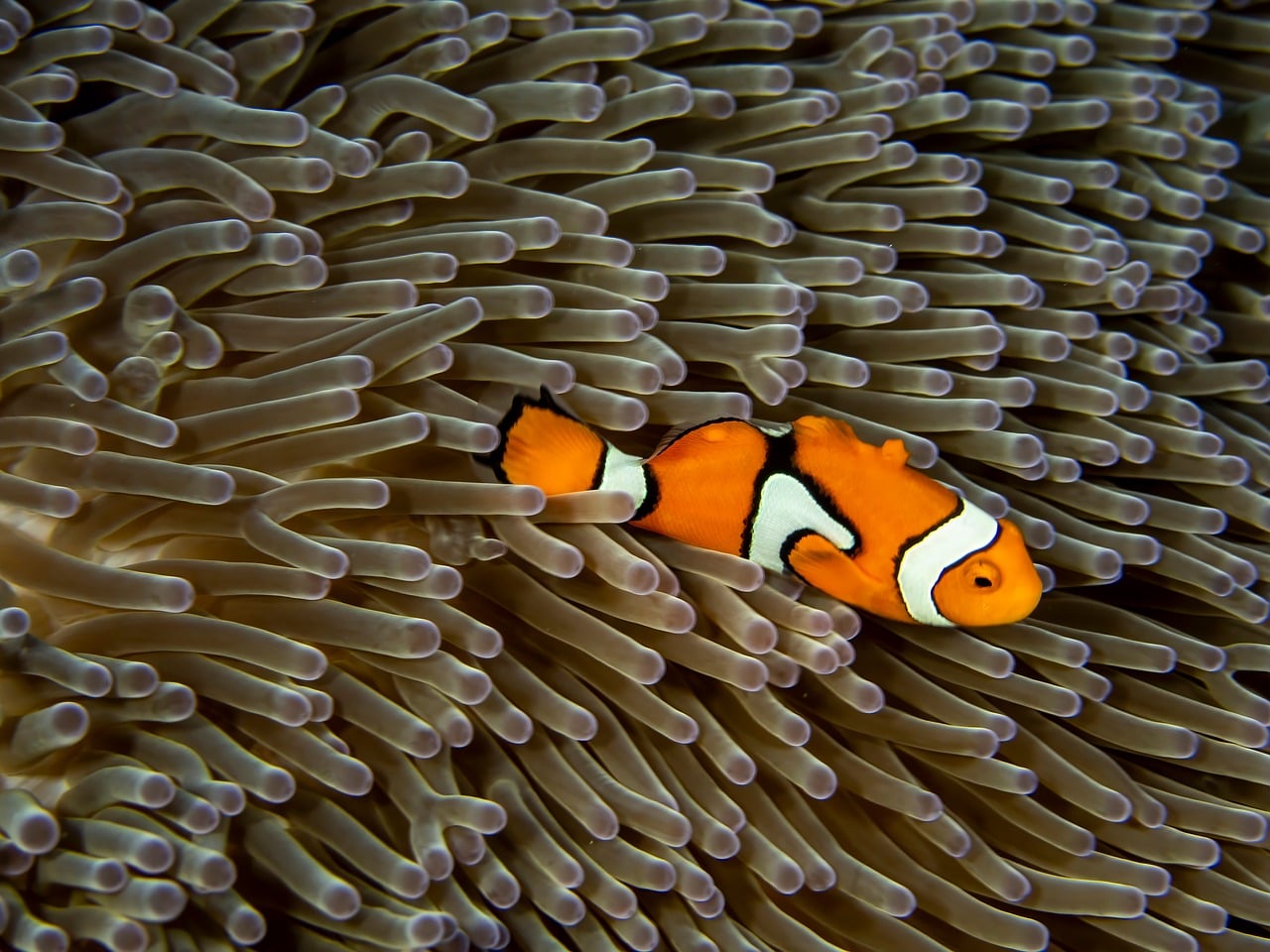
Water conditions change by season and coast. Check surf reports, read the warning signs and ask lifeguards. Never turn your back on the waves, and do not swim alone at unguarded beaches. When snorkeling, give turtles and other wildlife space, and avoid standing on coral. Hawaii bans sunscreens containing certain chemicals harmful to reefs, so choose mineral sunscreen and cover up with a rash guard.
Travel with care
In 2023 a wildfire destroyed much of Lahaina, and the community is rebuilding. Visitors are welcome in Kaanapali, Kapalua and the rest of the island, and visiting respectfully helps local families who depend on tourism. Follow posted closures, avoid sightseeing in affected neighborhoods, shop at local businesses and be patient with traffic. Respect cultural sites, stay on marked trails and pack out all trash.
Budget realistically
Maui is expensive. Lodging is the largest cost, followed by rental cars and tours. Many resorts charge daily fees and for parking, so compare total costs. Save money with groceries, picnic lunches and beach days, which are free. Plate lunch spots, food trucks and farmers markets give good value, and many of Maui's best experiences, such as sunsets, short hikes and public beaches, cost nothing.
A simple first-week plan
Divide your stay between the west or south coast and one memorable day trip. Spend a morning on a Molokini snorkel, an afternoon at Wailea or Kaanapali Beach, a full day on the Road to Hana and an early morning or evening at Haleakala. Add a luau or sunset sail, and leave blank space for beach time. Resist the urge to see everything. Maui rewards a slower pace, and the best memories are often the simplest: a quiet swim, a roadside banana bread and a sunset that stops conversation.