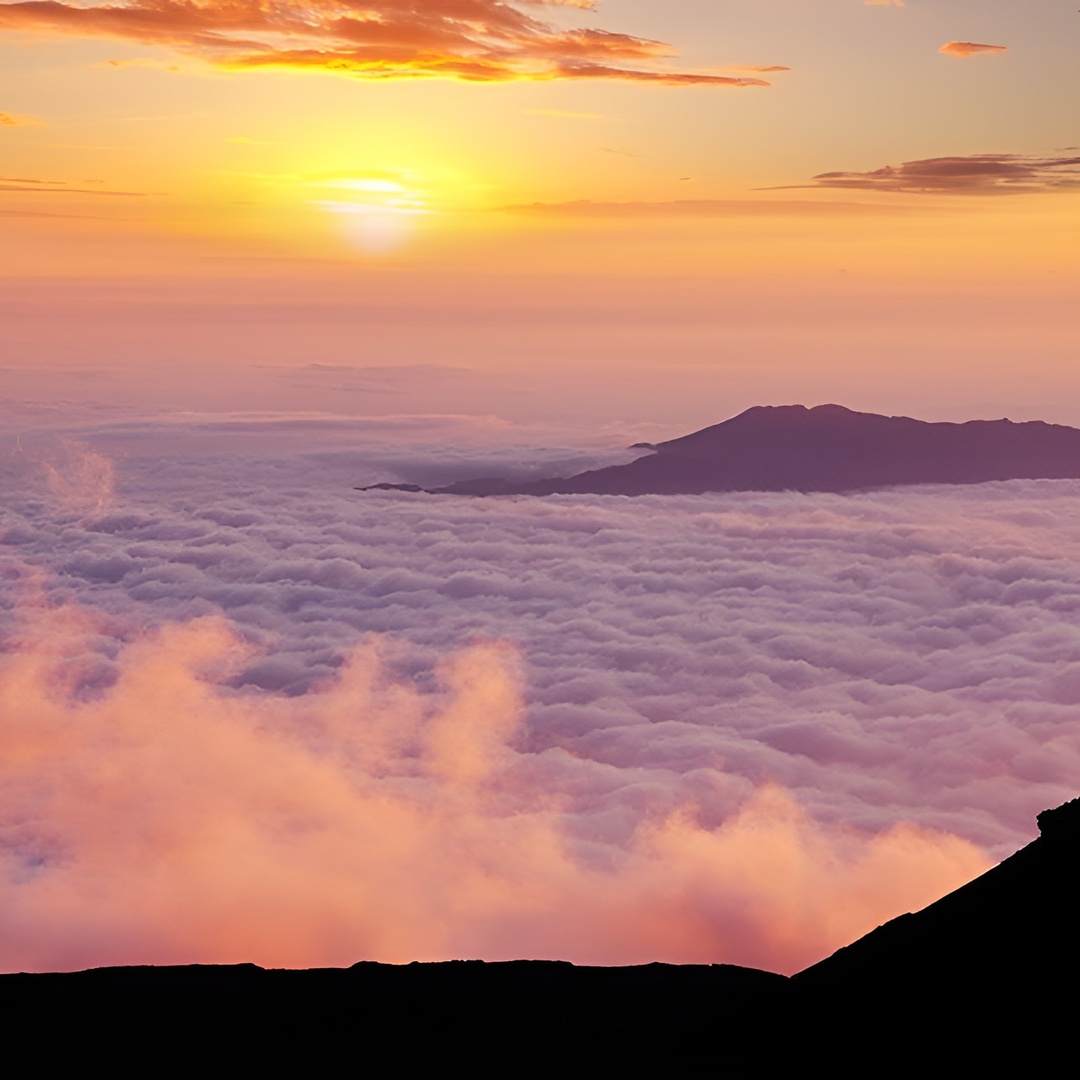
Standing at the top of Haleakala, more than 10,000 feet above the sea, is one of Maui's signature experiences. Whether you watch the sun rise over a sea of cloud or settle in for sunset and stars, the summit is dramatic, cold and quiet. A little planning makes the difference between a magical morning and a frustrating one.
Why Haleakala matters
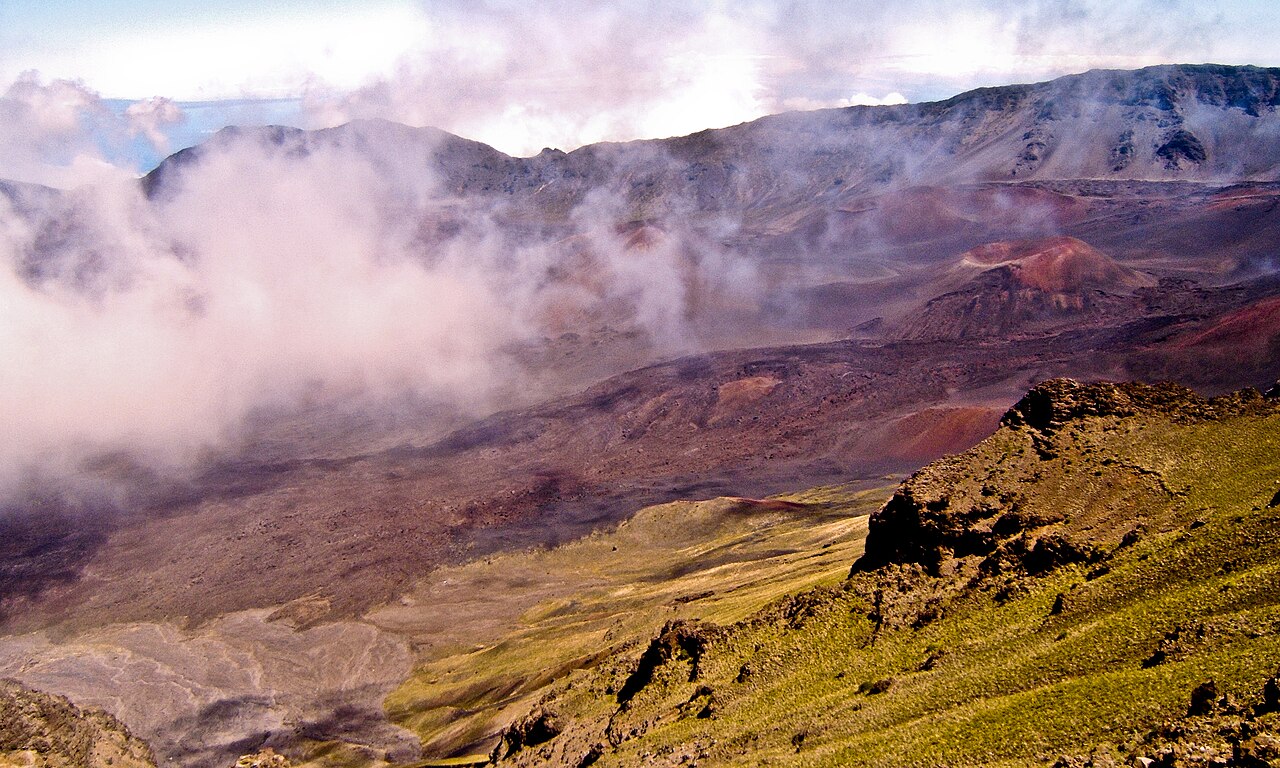
The name means house of the sun in Hawaiian. According to tradition, the demigod Maui lassoed the sun from the mountain to slow its passage and give his mother more time to dry her kapa cloth. The summit is a sacred place for Native Hawaiians, a national park and a scientific site. The crater is a vast erosional valley, with cinder cones and colored rock that can look like another planet. Visitors should act with respect, stay on marked paths and keep voices low.
Sunrise reservations
The national park has required an advance reservation for sunrise viewing at the summit district during early-morning hours. Reservations are typically made online through the park's reservation system, released in batches ahead of time, and they sell out. Check the park's page as soon as your dates are firm, and be ready to book at the release time. A reservation covers vehicle entry for that window, and a park entrance fee is separate. Rules can change, so verify before you go.
Sunrise or sunset?
Sunrise is the classic spectacle, with the sky turning from deep blue to orange and the clouds glowing below. It requires a very early start, often a wake-up around two or three in the morning for the drive up from the coast. Sunset avoids the early wake-up, usually needs no special reservation and pairs well with stargazing after dark. Both can be cold and windy. If you can choose only one, base it on your tolerance for early mornings.
Guided tour or self-drive?
The road to the summit is long and winding, and the drive in darkness can be tiring. A guided sunrise tour handles transport and often includes breakfast, blankets and commentary, and it spares you the stress of driving down after a sleepless night. Self-driving gives flexibility, and you can stop at viewpoints and hike. If you drive yourself, fuel up the night before, because there are no services near the summit.
What to wear
Temperatures at the summit can be near freezing, and wind makes it feel colder. Wear long pants, a warm jacket or several layers, a hat, gloves and closed shoes. Bring a blanket if you plan to sit. Pack water and snacks, as facilities are limited. If you are staying in a warm beach resort, it is easy to underestimate the cold, so over-pack layers.
Altitude and health
At more than 10,000 feet, the air has less oxygen, and some people feel dizzy, short of breath or nauseated. Drink water, move slowly and avoid heavy exertion. People with heart or lung conditions, pregnant women and young children should consult a doctor. Do not scuba dive within the recommended window before ascending, because the combination of diving and altitude can be dangerous.
Hiking in the crater
For a closer look, hike a trail into the crater, such as the Sliding Sands route, but be realistic. The altitude makes even short hikes tiring, and the return climb is harder than the descent. Bring plenty of water, sun protection and a map, and tell someone your plan. Many visitors prefer a short walk at the summit and a longer hike at a lower elevation.
The downhill ride
Many companies offer bike descents from the upper slopes, coasting down the mountain with a guide. These rides are popular, scenic and relatively easy, but they involve traffic and require attention. Choose a reputable operator, wear a helmet and be honest about your biking comfort. A morning descent after a sunrise visit is a common combination, but it makes for a long day.
Respect and practicalities
Do not remove rocks, plants or cultural items. Stay on trails to protect fragile native species, such as the endangered silversword plant. Pack out trash, avoid feeding wildlife and keep your distance from nesting birds. Weather can change quickly, and fog or rain can hide the view, so be flexible. Even when clouds block the sun, the experience of being above the weather is memorable, and the stars on a clear night are extraordinary.