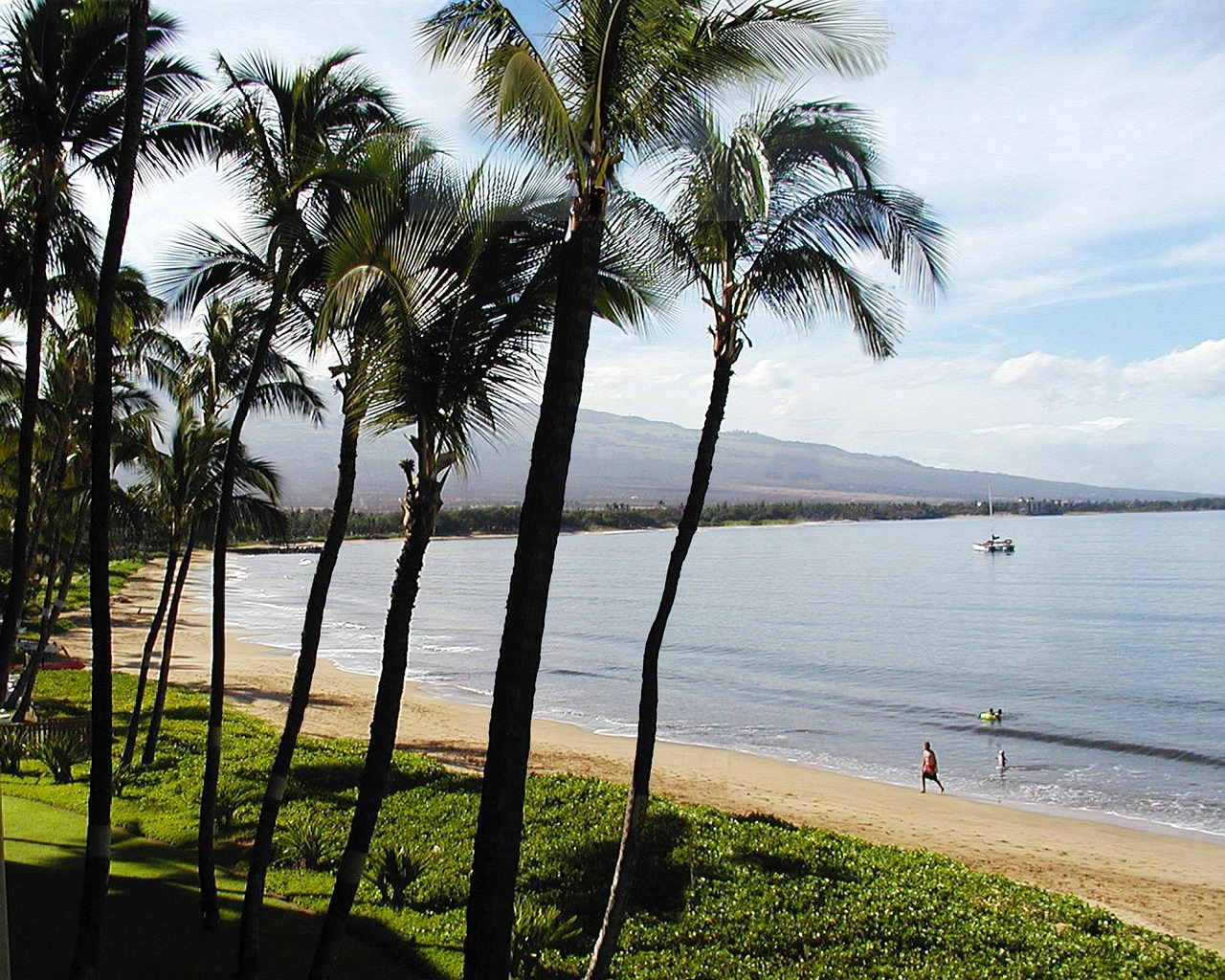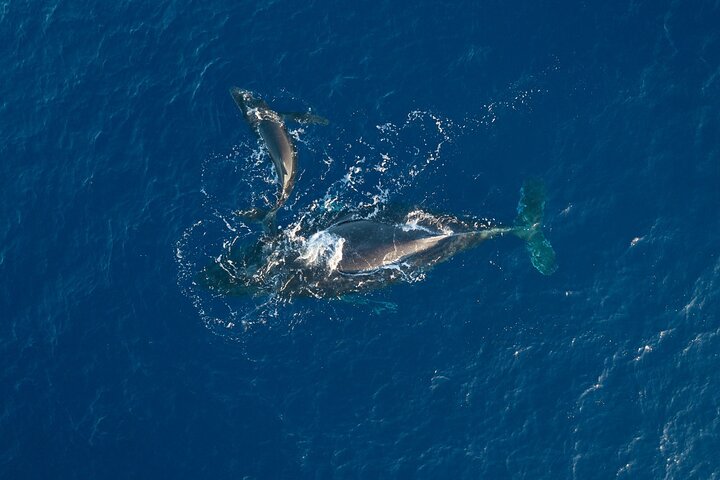
Each winter, thousands of North Pacific humpback whales travel from Alaska to Hawaii, and the sheltered waters off Maui are among their favorite places. Watching them breach, slap their tails and nurse their calves is a highlight of any winter trip. Here is how to plan.
The season
Humpback whales begin arriving around November and December, and the season runs through about April, with peak activity usually in January through March. During those months you can see whales from shore, from a boat or even from your hotel balcony. Outside the season, whale tours are generally not offered, though you may still find dolphin, turtle and snorkel cruises. If whales are a priority, plan your trip for the heart of winter, and book early because accommodations and tours fill up.
Why Maui
The channel between Maui, Lanai, Molokai and Kahoolawe is shallow and warm, which is ideal for calving and mating. The Hawaiian Islands Humpback Whale National Marine Sanctuary protects these waters. Males sing complex songs for hours, mothers nurse calves close to the surface and competition groups of males chase a female across the channel. Because the animals are close to shore, you do not need a long boat ride to find them.
Choosing a boat
Options range from large catamarans and sailboats to small rafts and kayaks. Larger boats are comfortable, stable and often include snacks and drinks. Small rafts put you closer to the water and tend to be faster and bumpier, with fewer passengers. Some boats carry a hydrophone so you can hear the whales sing, and many have naturalist guides. Consider your comfort with motion, your budget and your interest in education when you choose. Departure points include Lahaina Harbor, Maalaea, Kihei and Kaanapali, so check where your tour leaves and confirm the meeting point.
Time of day
Morning trips often have calmer water, while afternoon trips can be windier. Sunset cruises may combine whale watching with dinner or drinks. Whales are active all day, so choose a time that fits your schedule. Prices are usually similar. Many operators offer a guarantee or a return trip if no whales are seen, but read the terms. Sightings are very likely in peak season.
Shore watching
You do not need a boat to see whales. Good vantage points include the Wailea coastal path, the Kapalua Coastal Trail, Makena, McGregor Point near Maalaea and Kaanapali Beach. Bring binoculars, find a high spot and scan for spouts, which look like puffs of mist. Look for the white of a pectoral fin or the dark back rising and falling. Early morning and late afternoon light helps you see spouts clearly.
What to expect
Whales breathe every few minutes, then dive. A breach is dramatic, with a full-body leap and a huge splash, while tail slaps and pectoral fin slaps are more common. A mother and calf may rest near the surface. Sometimes a group of males jostles for position in a competition pod, a spectacular event. Behavior is unpredictable, so patience matters. Bring a camera with a zoom lens, and keep your phone ready.
Rules that protect the whales
Federal rules require vessels and people to stay at least 100 yards from humpback whales in Hawaiian waters, and approaching closer can result in fines. Drones, swimmers and kayakers must also keep their distance. Legal tour operators follow these rules, and so should you. Never enter the water to swim with whales, and never chase or crowd them. If whales approach your boat on their own, the crew will cut the engine and let them pass.
Comfort and safety
If you are prone to seasickness, take medication or use wristbands before boarding, eat lightly and sit in the middle of the boat. Wear sunscreen, a hat and polarized sunglasses, and bring a layer for wind. Hold on during maneuvers, listen to the crew and respect any restrictions for children or health conditions. Hydrate, but avoid heavy meals before sailing.
Learning more
Visit the Whalers Village Museum to learn about whaling history and whale biology, and ask your guide about the local research that tracks individual whales by their tail markings. The more you understand, the more meaningful the sighting becomes. Winter on Maui is not just warm weather but a front-row seat to one of nature's great migrations.