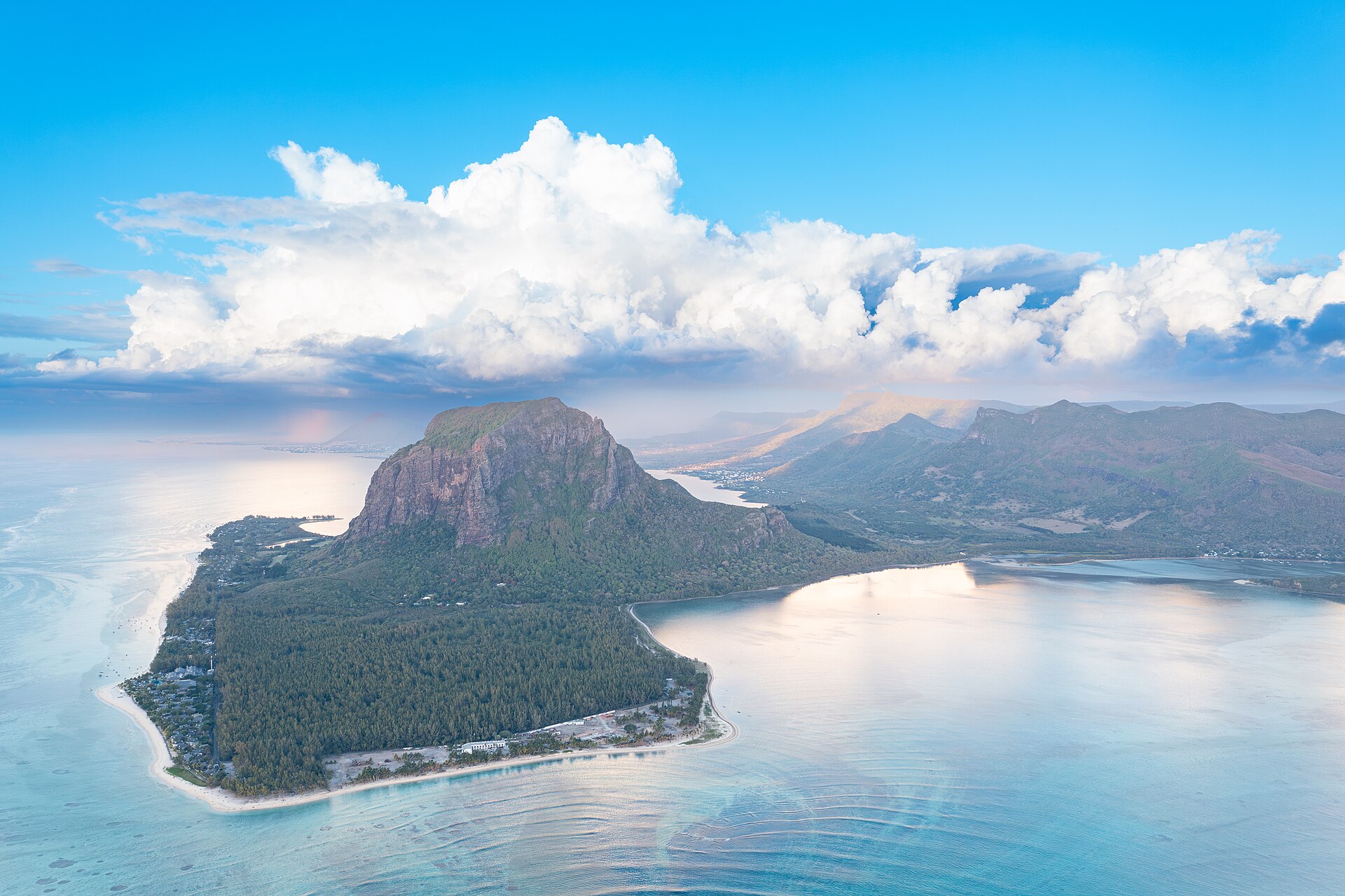
Kitesurfing and Mauritius go together. The island sits in the path of the south-east trade winds, and its lagoons are wide, warm and shallow, which is the perfect recipe for learning. The south-west corner around Le Morne has a global reputation as a kite destination, with a long reef-protected lagoon where beginners can stand on the bottom and where advanced riders chase flat water and waves. Even if you have never touched a kite, a private lesson is a good way to find out what the fuss is about. A beginner session of two hours is a gentle first step and is built around safety. You start on the beach with an instructor, learning how the wind window works, how to launch and land the kite and how to handle the lines. Then you move into the shallow water to practise body-dragging, where the kite pulls you through the water while you learn to steer. Depending on your aptitude and the conditions, you may also try the board. The private format means the instructor’s attention is entirely on you, so you progress at your own speed and get constant feedback. Kitesurfing is not a sport you master in two hours, and a good instructor will say so. What the lesson gives you is a safe introduction, the vocabulary and the feel of the kite, and a clear idea whether you want to continue. Many visitors book a first lesson and then add a second and third, since the sport is addictive once you feel that first real pull. Even if you decide it is not for you, you will have spent two lively hours on the water in a spectacular setting.
How it works
The lesson is a two-hour private session with a qualified instructor, who provides the kite, board, harness and safety gear. Confirm the meeting point and the spot when you book, since lessons are held where the wind and conditions suit beginners, commonly on one of the island’s shallow lagoons. The instructor will check your swimming ability and your health, explain the safety systems and keep an eye on the wind throughout.
What to expect
The first half hour is usually on land, learning about wind direction and kite control with a small trainer kite. After that you move into waist-deep water, where you practise launching the full-size kite and body-dragging. If the wind and your progress allow, you may start learning to get up on the board. Expect to swallow some seawater, to fall often and to be tired afterwards, because kite control uses your arms and core more than you expect.
When to go
The trade winds are strongest and steadiest in the southern winter, roughly May to October, and many kite schools consider that the main season, though there are rideable days at other times of year. Mornings can be lighter and afternoons stronger, so ask the instructor about the best slot for beginners. If the wind is too light or too strong, lessons may be rescheduled, so keep some flexibility in your plans.
What to bring
Swimwear, a rash vest or lycra top, reef-safe sunscreen, a hat and sunglasses with a strap, plus water and a towel. Water shoes are helpful if the lagoon floor is rocky. You should be comfortable in the water, and a minimum level of fitness and swimming ability is expected.
Making the most of it
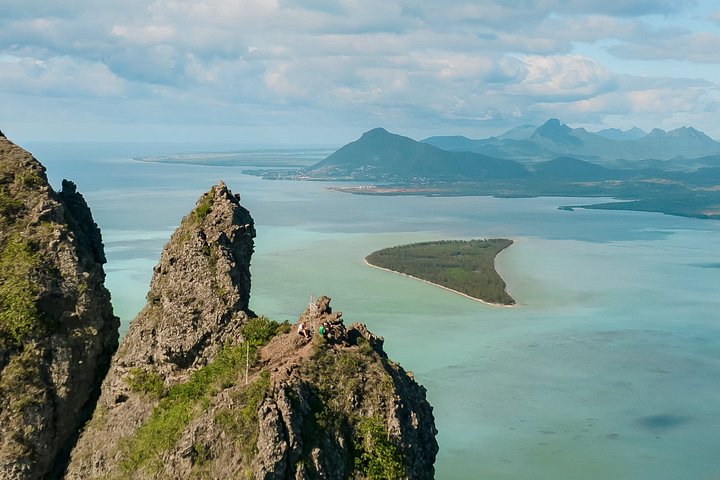
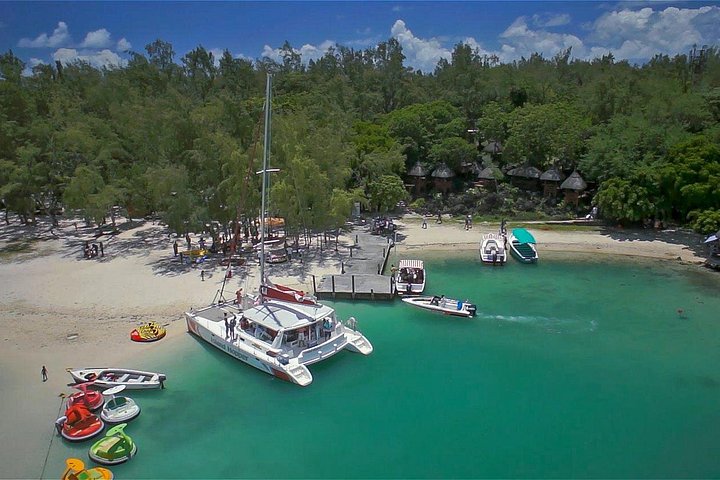
Book the lesson early in your stay so that you can add a second session if you love it. Combine it with a day in the south-west, perhaps with the Le Morne Brabant hike or a catamaran trip to Ile aux Bénitiers on a different day, and watch the experienced riders when you are not in the water. They are an impressive sight against the mountain and the lagoon.
What to expect
The experience
A two-hour private beginner kitesurfing lesson with a qualified instructor, covering kite control on land, body-dragging in shallow water and, if conditions allow, a first go on the board.
Best time
The trade winds are strongest from roughly May to October, though lessons run at other times when conditions suit.
How long
Two hours, plus time to get to the meeting point and change.
Tips
Be comfortable in the water, wear a rash vest and sunscreen, and keep your schedule flexible in case the wind is too light or strong.
Quick picks
- Best for
- Active travellers who want to try the sport Mauritius is known for, with personal attention.
- Families
- Best for teenagers and adults with good swimming ability, subject to the operator’s age rules.
- Couples
- A fun, challenging activity to try together, ideally in a private session for each person.
- Pair with
- The Le Morne Brabant hike or a catamaran day to Ile aux Bénitiers on another day.
- Time needed
- A morning or afternoon, including travel and changing.
Good questions
Do I need experience to take this kitesurfing lesson?+
No, the lesson is designed for complete beginners. You should be a confident swimmer and in reasonable health.
What will I learn in two hours?+
You will learn the basics of wind and kite control, launch and landing, and body-dragging, and may try the board if conditions allow. It is an introduction, not a full course.
When is the best time for kitesurfing in Mauritius?+
The trade winds are steadiest from roughly May to October, though lessons take place at other times of year when conditions are suitable.
What equipment is provided?+
The instructor normally provides the kite, board, harness and safety gear. Bring swimwear, a rash vest, sunscreen and a towel, and confirm details when you book.
What if the wind is too light or too strong?+
Lessons can be rescheduled if the wind is unsuitable, so keep some flexibility in your plans and ask about the rebooking policy.