Mauritius looks small on the map, and it is: you can drive from the northern tip to the southern coast in under two hours. But the island packs in a surprising range of landscapes and moods, from the busy capital and the resort town of Grand Baie in the north to the wild mountains and kitesurf lagoons of the south-west and the calm, sunrise-facing beaches of the east. Here is how to put a first trip together.
How many days
Seven to ten nights is ideal, and most people fly a long way to get here, so it pays to stay long enough to enjoy the beach as well as the sights. With a week, plan three or four days of outings and three or four of doing very little. With ten days or more, consider splitting your stay between two coasts, for example the west or south-west for hiking and dolphins, then the east for the lagoon and Ile aux Cerfs.
Choosing a base
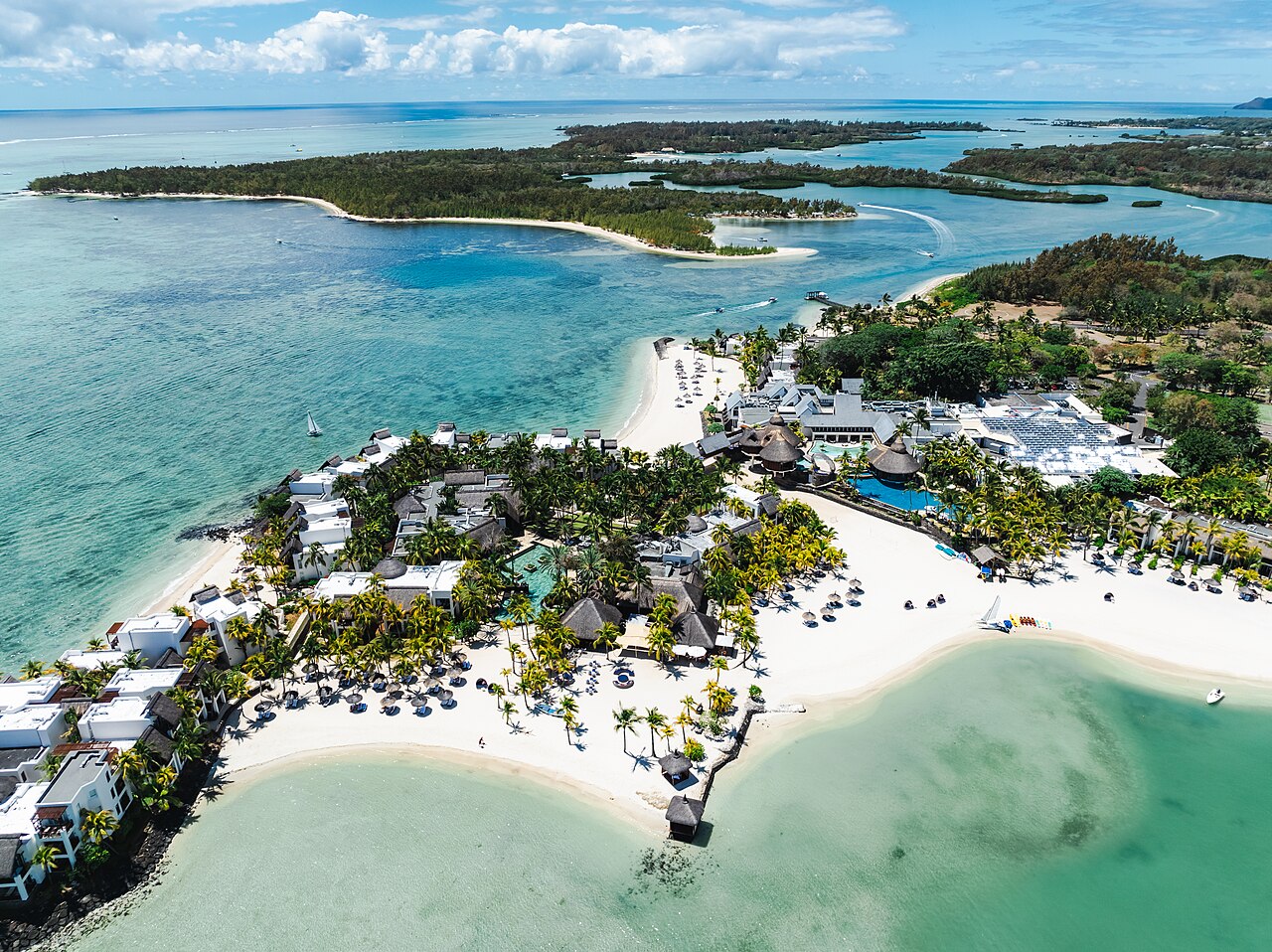
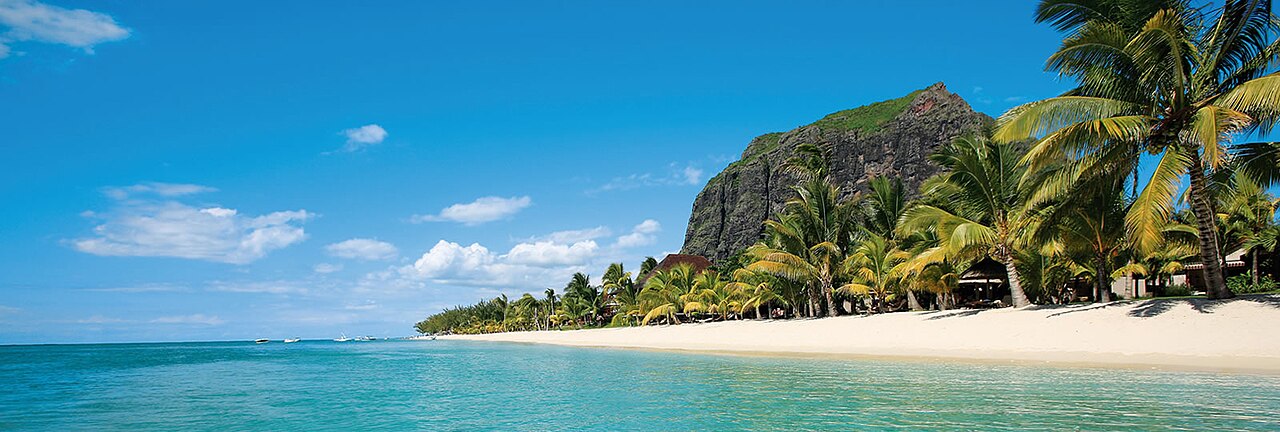
Each coast has its own character. The north, around Grand Baie, is the liveliest, with restaurants, shops and boat trips to the northern islands, and it is closest to Port Louis and the Pamplemousses garden. The west, around Flic en Flac, Tamarin and Black River, has the sunsets, the dolphins, Casela and easy access to the national park. The south-west around Le Morne is the most dramatic, beneath the UNESCO mountain and close to Chamarel. The east, around Trou d’Eau Douce and Belle Mare, has long beaches, calm lagoons and the island’s grandest resorts. Our where-to-stay guide matches a hotel to each.
What to book ahead
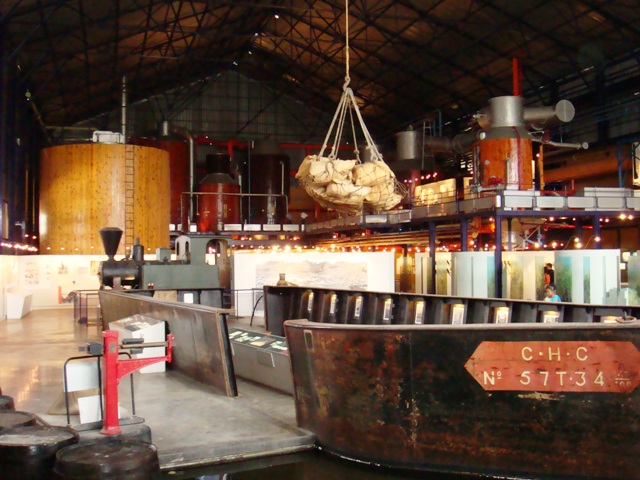
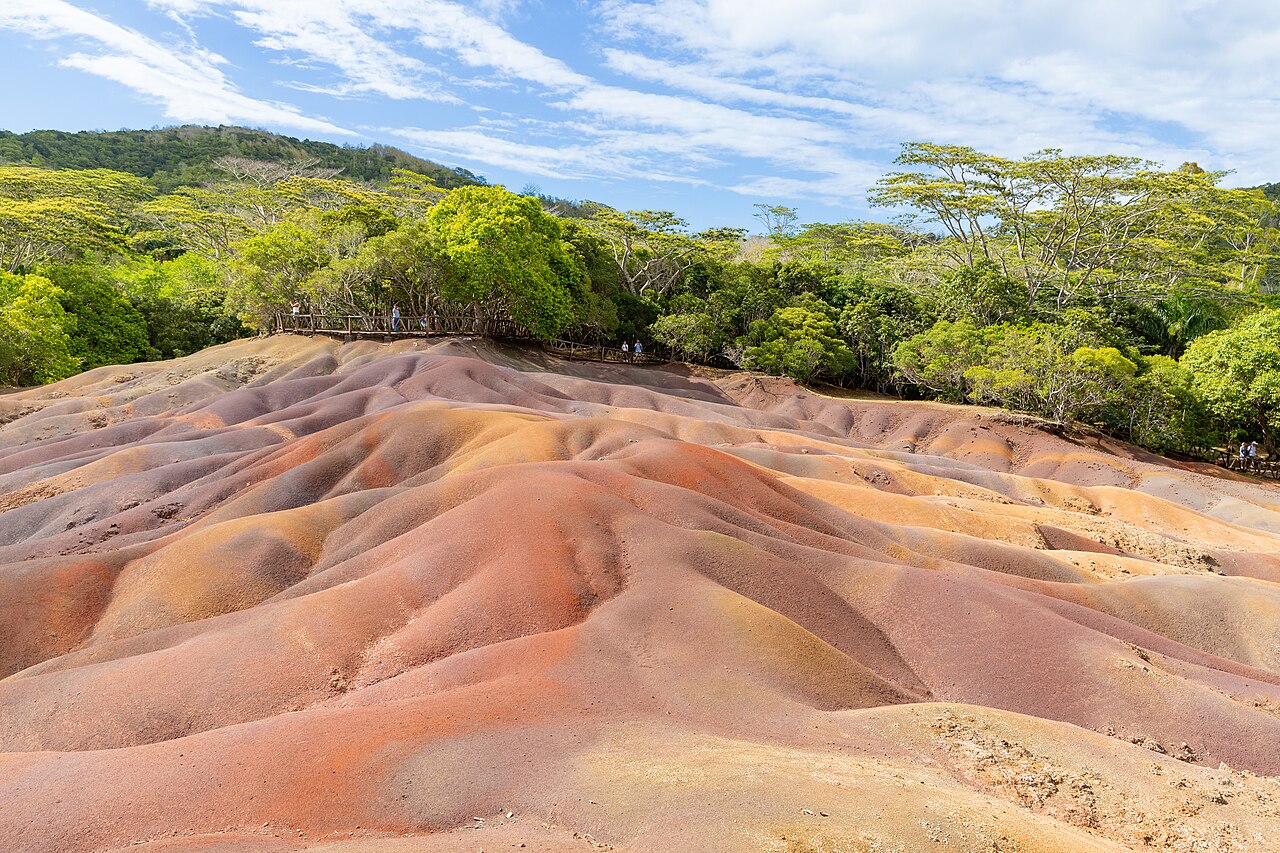
The popular boat trips fill up, especially from late December to early January and in the European school holidays. Book the Ile aux Cerfs catamaran, the northern islands cruise from Grand Baie and the Black River dolphin and whale trip a few days ahead, and reserve the Le Morne Brabant hike early, as the best guided groups often sell out. The Port Louis street food tour, the Black River Gorges hike and the north-of-the-island day tour to Pamplemousses are easier to book a day or two out. Casela’s safaris and zip lines are worth reserving in the holidays. The Chamarel Seven Coloured Earth Geopark and L’Aventure du Sucre can be visited on the day, but remember the sugar museum is closed on Sundays.
Getting around
The airport is in the south-east, near Mahébourg, about an hour from most resort areas. Most visitors use pre-booked hotel transfers or taxis, and many tours include hotel pickup, though some, like the Le Morne and Black River Gorges hikes, ask you to make your own way to the meeting point. Hiring a car gives the most freedom: Mauritians drive on the left, the main M1 and M2 motorways are good, but country roads are narrow and busy, and driving after dark needs care. A day with a private driver is a relaxed way to tour the south-west or the north. Buses are cheap but slow, and the Metro Express light rail links Port Louis with the central towns, not the beaches.
Where the sights fit
Group your outings by area. In the south-west, combine the Le Morne hike in the morning with the Chamarel Geopark in the afternoon, or pair the Black River Gorges hike with a beach afternoon. On the west coast, start a day with the dolphins from Black River and spend the rest at Casela. In the north, do the Pamplemousses garden and L’Aventure du Sucre together, and give Port Louis its own morning with the street food tour. Sea days, Ile aux Cerfs in the east and the northern islands from Grand Baie, take a full day each and are best booked from a base on the same side of the island.
When to go
Mauritius is a year-round destination. The southern summer, from November to April, is hot and humid, with the best sea temperatures but a risk of heavy rain and cyclones, mainly from January to March. The winter, from May to October, is drier, sunnier and cooler, with strong trade winds on the east and south coasts, ideal for hiking and the season for humpback whales. Late October and November are a sweet spot: warm, mostly dry and before the Christmas rush.
Practical tips
The currency is the Mauritian rupee, and cards are widely accepted in hotels and larger restaurants, but carry cash for markets, street food and small beach bars. English and French are both official in practice, and Mauritian Creole is spoken everywhere. Use reef-safe sunscreen, wear water shoes on coral beaches, and dress modestly when visiting temples, mosques and Port Louis. Tap water is treated, but most visitors stick to bottled water.