North Sumatra sits close to the equator, so temperatures stay warm all year, but rainfall and cloud change the experience. There is no perfect month, and conditions vary from year to year, so treat the patterns below as a guide rather than a promise. What matters most is matching your activities to the season and keeping some flexibility in your plans.
The general pattern
In Medan and the lowlands, the drier months tend to run from about January to March and from June to August, while the wetter months cluster in the later part of the year. Afternoon showers are possible at any time, and thunderstorms can be heavy. Humidity is high year-round, so the main difference is how often you get soaked.
Bukit Lawang and the jungle
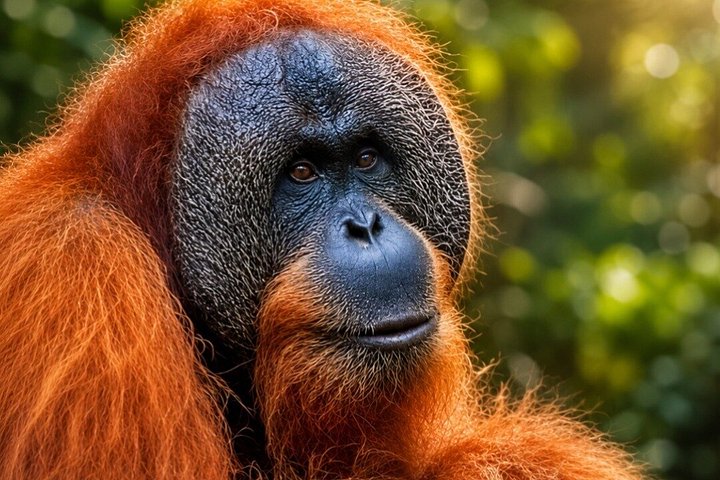
Trekking is possible all year. In drier periods, trails are firmer, rivers are lower and river tubing is more reliable. In wetter periods, the forest is lush and the air feels fresh, but trails are muddy, leeches are more common and the Bohorok River can rise quickly. Operators monitor conditions and may change routes or cancel tubing. Orangutan sightings depend more on fruiting trees than on the season, so you can see them in any month.
Highlands and volcanoes
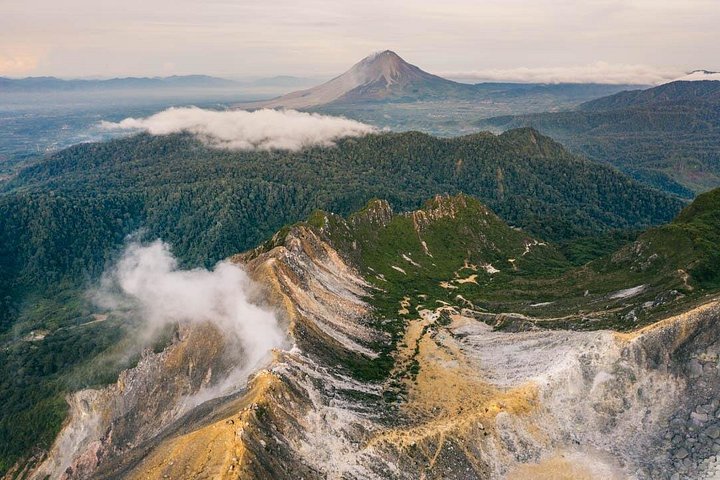
At Berastagi and around Mount Sibayak, clear mornings are the goal. In the drier months you are more likely to see a sunrise and long views, while wet-season mornings may be misty. Temperatures are cool at altitude, so a warm layer is useful in every season. Check volcano conditions with your operator before hiking, as access can change.
Lake Toba and Samosir
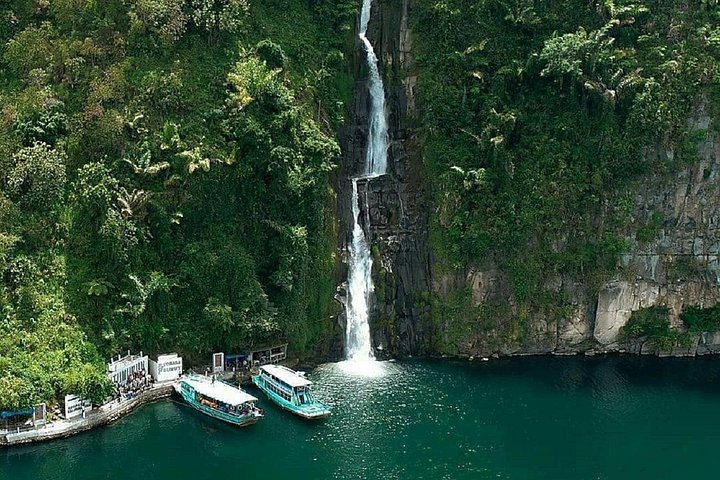
The lake is lovely in all seasons, but clear skies bring the best colors and views. Boat trips are more comfortable in calm mornings, and afternoon winds can make the water choppy. Swimming is pleasant when the sun is out. Cultural events and festivals can add color, so ask locally if you are interested.
Crowds and holidays
Domestic school holidays and public holidays bring crowds to Bukit Lawang, Berastagi and Lake Toba, and prices can rise. International travelers often visit during the northern summer, which falls in the drier period. If you prefer quiet, travel outside these peaks and book accommodation in advance. During the fasting month, daytime food options can be limited in some areas, though Medan and tourist areas remain well served.
Packing by season
Always pack a light rain jacket, quick-dry clothing, grip shoes, repellent and sunscreen. In the wetter months add a dry bag and spare socks. In the highlands bring a fleece or jacket. A hat and sunglasses are essential for lake days.
Booking with flexibility
Because weather can change plans, choose tours and hotels with sensible cancellation terms. Build a spare day into your itinerary so a delay does not wreck a flight connection. Ask your operator how they handle bad weather, and what alternatives exist if the river is high or the volcano trail is closed.
The bottom line
If you want the most predictable conditions, aim for the drier windows. If you can handle some rain, shoulder periods offer fewer visitors and lush scenery. Either way, a good guide, a flexible mindset and the right gear matter more than the calendar.
Day length and light
Because North Sumatra sits near the equator, the sun rises around six in the morning and sets around six in the evening throughout the year. That makes early starts the best habit for every activity, from jungle treks to sunrise hikes, and it means long afternoons for pools, markets and food. Plan outdoor walks for the cooler hours, and reserve the hottest part of the day for lunch, a rest or an indoor visit such as a museum.
Travel days
Allow extra time for road journeys in the wetter months, when landslides, flooded roads and heavy traffic can slow progress in the highlands. Start early, keep fuel and water on hand and have your driver check conditions before you leave. If you have a flight out of Medan, avoid scheduling a long drive on the same morning, and consider returning to the city the night before.
Month-by-month thinking
Rather than chasing one perfect month, think in terms of activities. Choose drier periods for river tubing and volcano sunrises, and be flexible in wetter periods by adding museum, food and culture days in Medan. Remember that showers often fall in the afternoon, so morning plans are more reliable in every season.
Seasonal wildlife and fruit
Fruit season brings durian, mangosteen and rambutan to markets, and fruiting trees in the forest draw orangutans and other animals. These cycles vary from year to year, so guides are the best source of up-to-date advice.