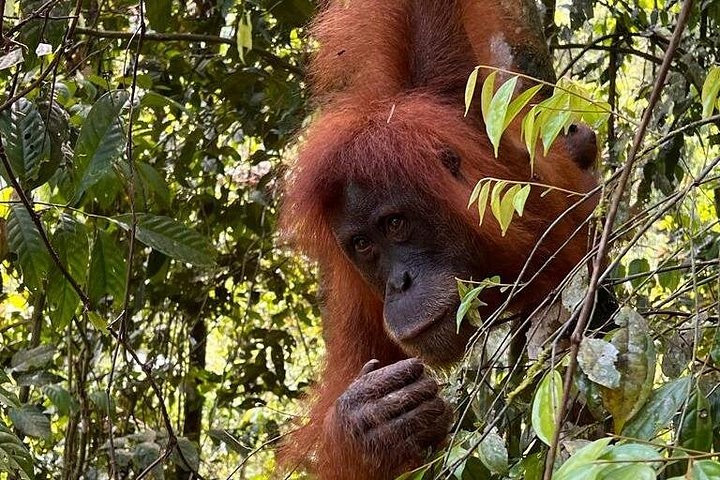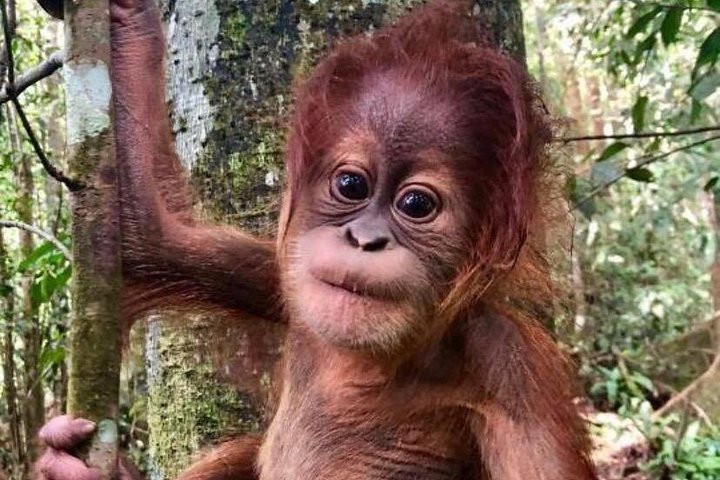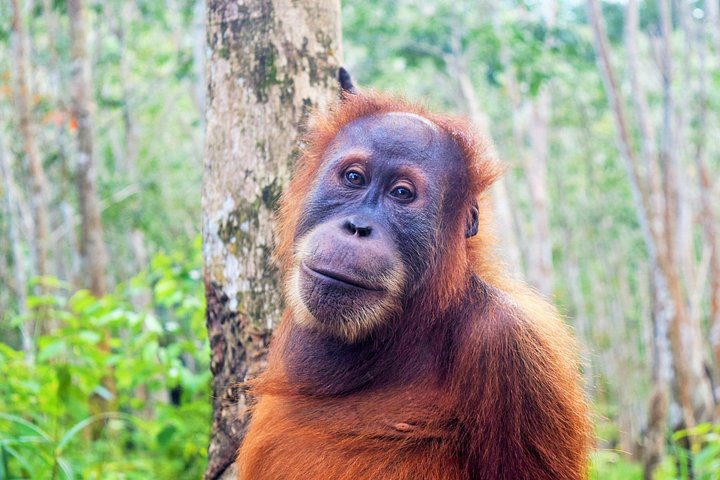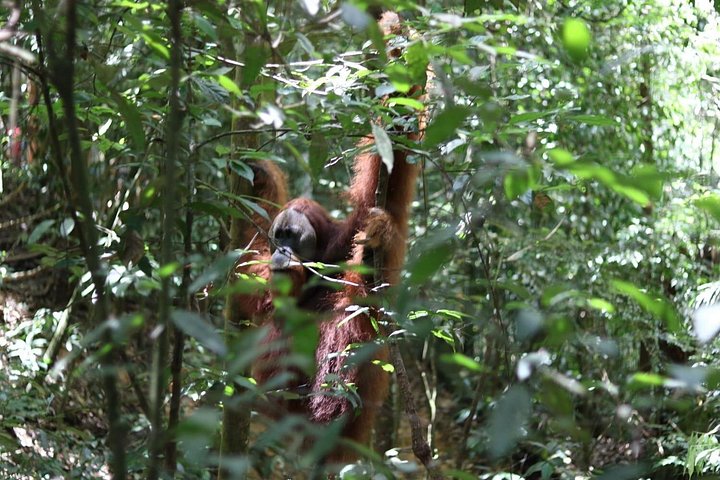
Sumatran orangutans are critically endangered, and the forests of Gunung Leuser National Park hold one of the largest remaining populations. Bukit Lawang is the most accessible place to see them, which makes it popular and puts pressure on both the animals and the forest. Trekking here can be a powerful experience, and done well, it also helps protect the area by giving local people a livelihood from conservation. This guide explains how to choose responsibly and what to expect.
Why Bukit Lawang is special
The village sits at the edge of the park beside the Bohorok River, and for decades it hosted a rehabilitation program that released orangutans into the forest. Many animals seen today are descendants of those released, so some are semi-wild and used to people, while others are fully wild. Sightings are never guaranteed, and the forest is large, but trained guides know where animals have been feeding.
Choosing an operator
Look for small groups, licensed local guides and clear rules. A responsible operator does not feed animals to attract them, does not allow touching or selfies at close range, takes rubbish out of the forest and pays porters and cooks fairly. Ask how many people are in a group, what the guide does if an orangutan approaches and how the company uses waste and cooking fires. Specific answers are a good sign.
Day trek or overnight
A day trek is a good introduction and suits fit beginners. An overnight camp gives more time in the forest and the chance to hear dawn and dusk sounds. Longer treks go deeper but demand more fitness. Some travelers combine trekking with river tubing or canyoning for variety, while others add a visit to Tangkahan or Ketambe.
Behaving around animals
Keep a respectful distance and follow your guide. Do not touch, feed or chase orangutans, and speak quietly. Mothers with infants are protective, and large males can be powerful. If an animal approaches, stay calm and follow the guide's instructions rather than backing away quickly. Avoid flash photography and bright clothing. Do not bring food that could attract monkeys.
Health and the animals
Orangutans share about ninety-seven percent of their genes with humans, so they can catch our illnesses. If you have a cold or other contagious illness, tell your guide and consider postponing. Keep a distance of at least several meters, wash your hands and never leave tissues or rubbish behind. Respect any limits on group size in the park.
What to pack
Wear lightweight long trousers, a quick-dry shirt and shoes with real grip. Carry water, repellent, a rain jacket, a dry bag for your phone and sunscreen. A small first aid kit and any personal medication are wise. Bring cash for tips and lunch, and leave valuables at the guesthouse.
Supporting the community
Hire local guides, eat in village restaurants, stay in locally owned guesthouses and buy crafts from local sellers. Spending in the village gives people a reason to protect the forest. Be wary of anyone selling animals, animal parts or photographs with captive animals.
Leaving with a lighter footprint
Pack out your waste, avoid single-use plastic, and share your experience honestly with friends and on review sites so that good operators are rewarded. If you want to learn more, a short conservation visit near Medan gives a wider picture of the threats facing orangutans. Seeing an orangutan in the wild is a privilege, and a quiet, respectful approach makes it better for everyone.
Questions to ask before booking
How many people will be in my group? Are the guides from the village and licensed? Is food ever used to attract animals? What happens to cooking and washing waste? What is the plan if the river is high or it rains hard? A good operator answers openly, and a vague answer is a reason to compare other options. Spend a few minutes reading recent traveler comments for details about group size and guide behavior.
After the trek
Rinse your shoes, check your clothes for leeches and wash your hands. Tip your guide and porters fairly, thank the cook and leave the forest as you found it.
Photography and etiquette
Use a zoom lens rather than moving closer, avoid flash and keep your voice low. Respect your guide's pace and do not leave the trail. Treat other travelers with courtesy, because a crowded sighting is better shared calmly. If you see poor behavior, tell your operator and leave honest feedback afterward, as it helps protect the animals and the reputation of good guides.