Mexico City is enormous, but moving around it is easier than its size suggests once you know a few rules. Most visitors rely on rideshare and walking, add the Metro or Metrobus for short central hops, and plan their days by neighborhood rather than crossing the city repeatedly. A little preparation on transport, altitude and safety makes the whole trip calmer.
Start with the airport
Benito Juarez International sits close to the center, which keeps most rides short. Use the airport's authorized taxi booths or a rideshare pickup at the designated area, and avoid accepting rides from people who approach you in the terminal. Pre-booked transfers are an easy choice if you arrive late or with a lot of luggage. Traffic can turn a twenty-minute ride into an hour at rush hour, so build in time on departure day.
Rideshare is the default
Uber and similar apps are inexpensive by international standards, widely used and generally the simplest choice for visitors, especially at night. Confirm the driver and plate in the app, sit in the back, and meet the car at a clear pickup point. For longer outings, such as Teotihuacan or Coyoacan, a driver booked for the day can be more economical than several separate rides. Registered taxis (sitio taxis) are also reliable if arranged by your hotel or restaurant. Avoid hailing unmarked cars on the street.
The Metro and Metrobus
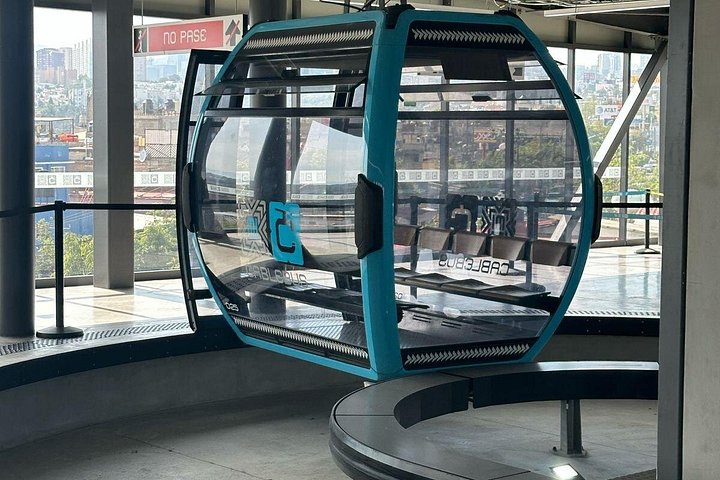
The Metro is one of the largest in the world and very cheap. It is useful for hops along Line 1 through the center and Roma, or for reaching the Zocalo, Bellas Artes and Chapultepec. Rush hours are crowded, especially at transfer stations, and the first cars on many trains are reserved for women and children. Keep bags in front of you and avoid peak times if you carry luggage. The Metrobus runs on dedicated lanes along main avenues such as Insurgentes and Reforma, and is a good way to cover long straight distances. You need a rechargeable card for both.
Walking and cycling
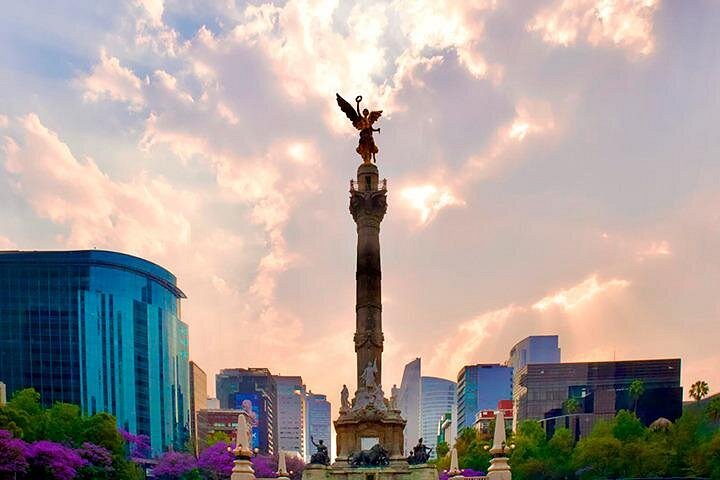
Roma, Condesa, Coyoacan, Polanco and the historic center are all pleasant on foot, with sidewalks that can be uneven, so wear comfortable shoes. Sunday mornings close parts of Reforma to cars for a cycling day, a lovely time to explore by bike. Bike-share stations exist in several central neighborhoods, and guided bike tours are a relaxed way to learn the geography.
Altitude is real
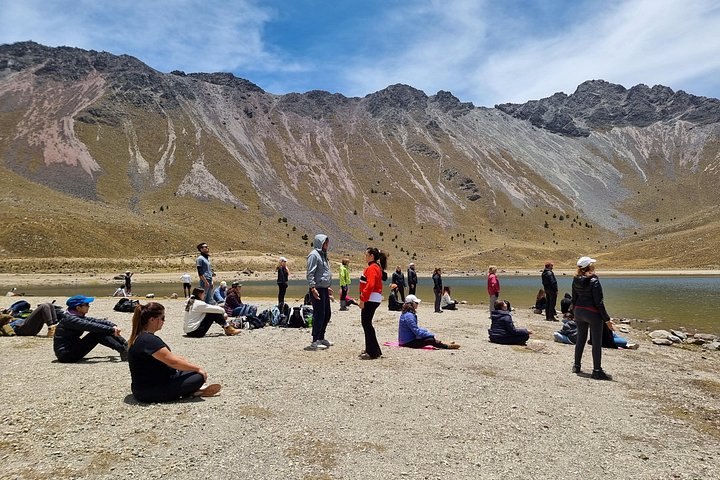
At about 2,240 meters, Mexico City is higher than Denver. Many visitors feel mild breathlessness, fatigue, a headache or poor sleep on the first day. Drink water, go easy on alcohol the first night, pace the first day with short walks, use sunscreen, and eat regularly. Most people adjust within a couple of days. If you plan to hike Nevado de Toluca or climb on mountain day trips, give yourself at least two days in the city first, and speak to a doctor if you have heart or lung conditions.
Everyday safety
The visitor districts are busy and well used, and most trips are trouble-free with ordinary big-city habits. Keep your phone in a pocket when waiting by the road, avoid showing expensive jewelry, use rideshare or registered taxis at night, and be aware of your bag in crowded Metro cars and markets. Carry a photocopy or photo of your passport rather than the original when you can, and keep a small amount of cash in separate places. Check your government's travel advisory for Mexico before you go, since advice varies by state, and follow local guidance on areas to avoid.
Money and phones
ATMs inside banks or hotels are the safest. Many restaurants accept cards, but street food and markets prefer cash, so carry small bills. An eSIM or a local data plan helps with maps and rideshare. Download offline maps, and save your hotel's address in Spanish to show a driver.
Timing your day
Traffic peaks in the morning and from late afternoon into the evening. Plan outings so you cross the city in the middle of the day, or stay within a neighborhood cluster for the morning and afternoon. Museums close on Mondays, which is a good day for markets, parks and day trips. Rain usually falls in the late afternoon in summer, so put museums in the afternoon and outdoor sights in the morning.
A simple plan
Arrive and settle into your neighborhood, use rideshare for most trips, use the Metrobus along Reforma or Insurgentes when the route is straightforward, walk within districts, and book day trips with pickup. With those habits you will move through one of the world's biggest cities with surprising ease, and have more time for tacos.