Few cities offer as much art within reach as Mexico City. Pre-Hispanic sculpture, colonial painting, twentieth-century murals and contemporary galleries all sit within a short ride of each other. The trick is to group sights by neighborhood and book the popular tickets early, so each day has a clear theme.
Start with the muralists
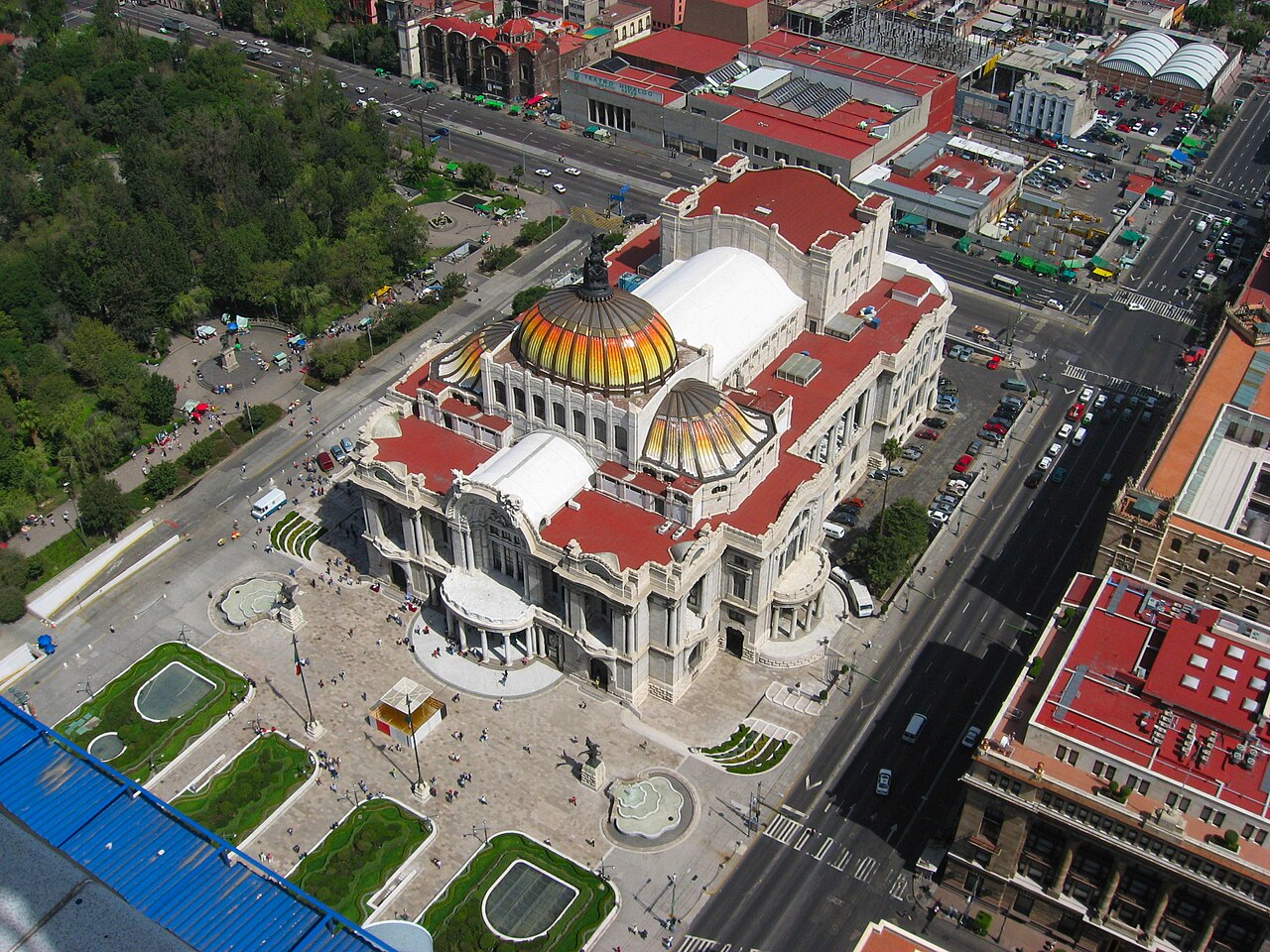
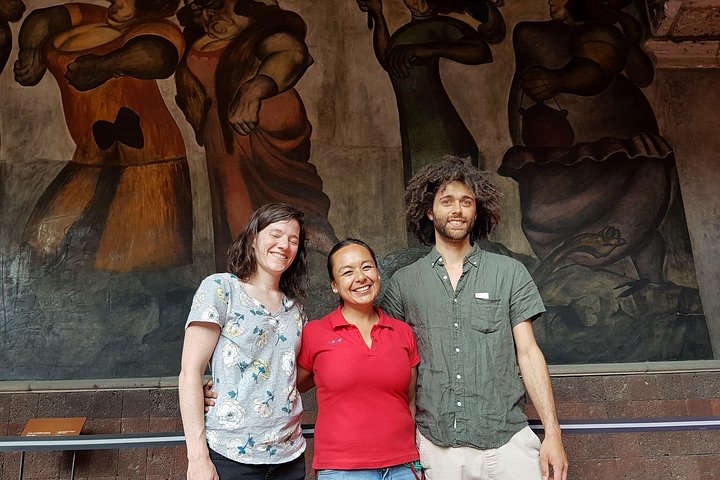
The great Mexican muralists of the early twentieth century, Diego Rivera, Jose Clemente Orozco and David Alfaro Siqueiros, painted the story of Mexico on public walls. In the historic center, Rivera's history of Mexico climbs the stair of the National Palace, and the Secretariat of Public Education building holds hundreds of meters of his work. The Palacio de Bellas Artes has important murals by all three on its upper floors, and the Diego Rivera Mural Museum near the Alameda houses Dream of a Sunday Afternoon in Alameda Park. A guided mural walk puts these works in political context and saves hours of wandering.
Frida, Diego and the south
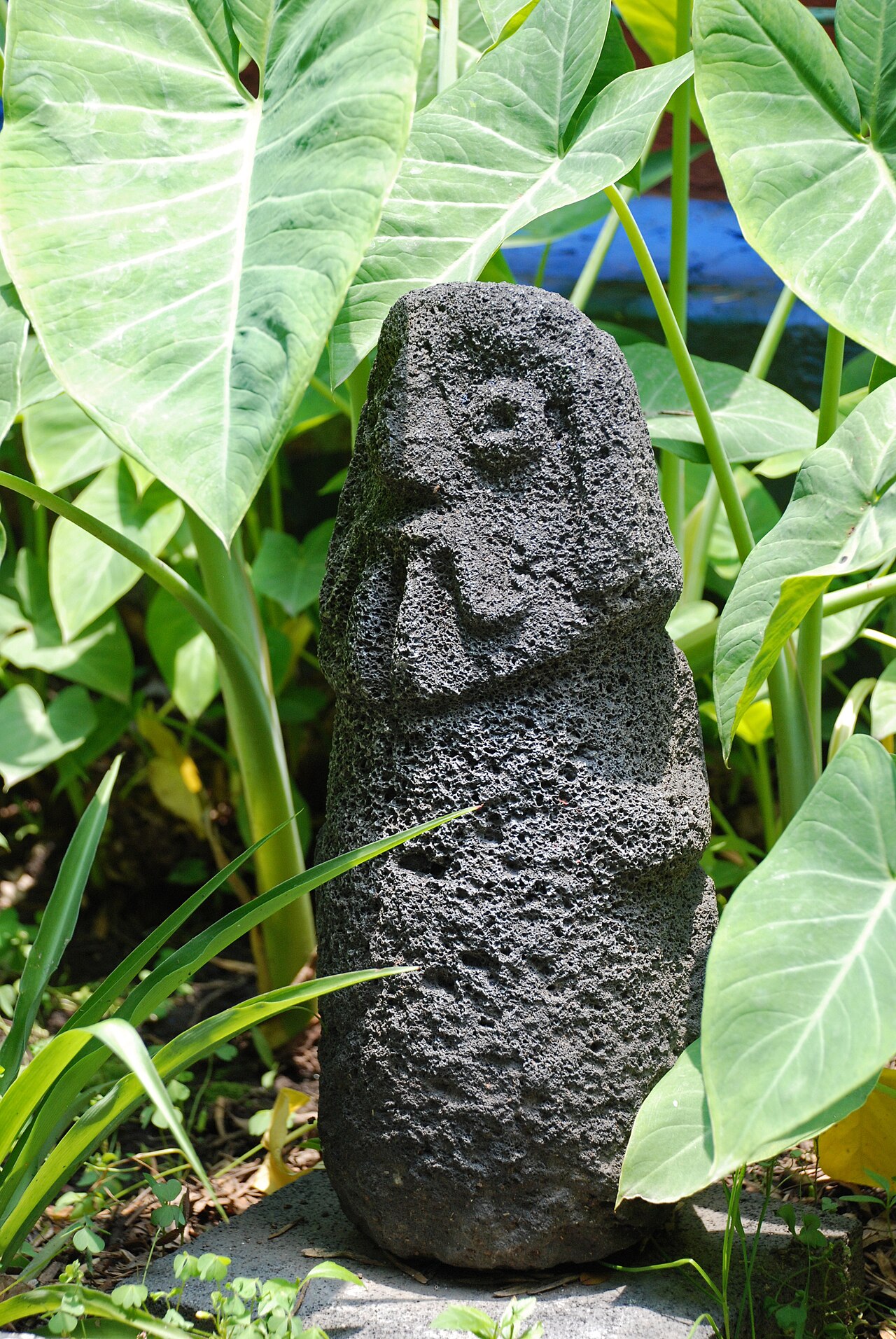
Coyoacan is the heart of the Frida Kahlo story. The Blue House, where she was born and died, shows her studio, her collections and the objects of her daily life, and tickets sell out, so reserve ahead. Nearby, the Trotsky house tells the political side of the same circle. Further south, the Museo Dolores Olmedo holds a large collection of Rivera and Kahlo works in a hacienda with peacocks, and the Anahuacalli, built by Rivera as a home for his pre-Hispanic collection, is a dramatic volcanic-stone building. The university campus, with its murals and the Olympic stadium, is a World Heritage site.
Chapultepec: archaeology and history
The National Museum of Anthropology is the country's finest museum, and its Aztec Sun Stone, Maya rooms and Teotihuacan galleries reward half a day. Chapultepec Castle, nearby, adds the history of the Mexican state and a view across the park. Across Reforma, the Museo Tamayo shows modern international art in a striking building.
Polanco and the new museums
The Museo Soumaya is a silver-tiled building holding a huge private collection of European and Mexican art. The Jumex next door displays contemporary work, and Polanco's galleries and design shops make a good afternoon. In the same district, Pujol and other celebrated restaurants appeal to those who treat food as art.
Architecture as art
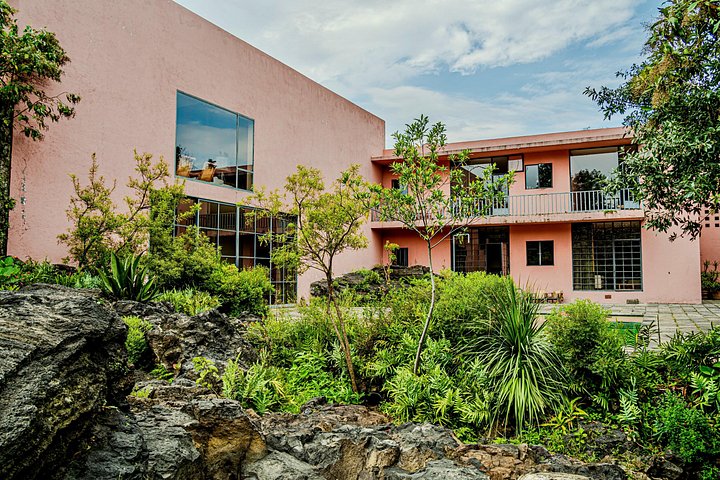
Luis Barragan, the Pritzker-winning architect, shaped modern Mexican design with color, light and silence. His house and studio in Tacubaya, and the Casa Gilardi, are visited by timed reservation, so plan ahead. Roma and Condesa have art nouveau and art deco buildings, and walking tours explain the style. The Torre Latinoamericana offers a skyline view that shows the contrast of old and new.
Galleries and street art
Roma and Juarez hold many contemporary galleries, often free to enter, and openings are social events. Street art flourishes across the city, especially in Roma, the center and Coyoacan, and guided bike or walking tours reveal the best pieces.
How to organize your days
Day one: historic center murals and Bellas Artes. Day two: Chapultepec and Polanco. Day three: Coyoacan, Frida, Trotsky and the south. Add a fourth for Barragan, galleries and the Anahuacalli. Most museums close on Mondays, so use that day for Teotihuacan, markets or architecture walks.
Practical tips
Book Frida Kahlo and Barragan visits as early as you can. Wear comfortable shoes, bring a light layer for air-conditioned galleries, and carry a small amount of cash for cloakrooms. A guide or audio guide transforms the murals, which are dense with symbols, so consider at least one guided visit. Many museums have free entry days, which can mean crowds. Use rideshare between districts, then walk within them.
Finish with the performing arts
A folkloric ballet at Bellas Artes, a concert or a lucha libre night broadens the picture, because Mexican art has always lived in popular culture as well as in galleries. Leave time for a long dinner, and you will go home with a fuller sense of how art, history and daily life intertwine in the capital.
One last tip
Keep the schedule loose. The best moments in a big museum city often come from an unplanned cafe, a street musician or a courtyard you stumble into, so leave an afternoon open for wandering.