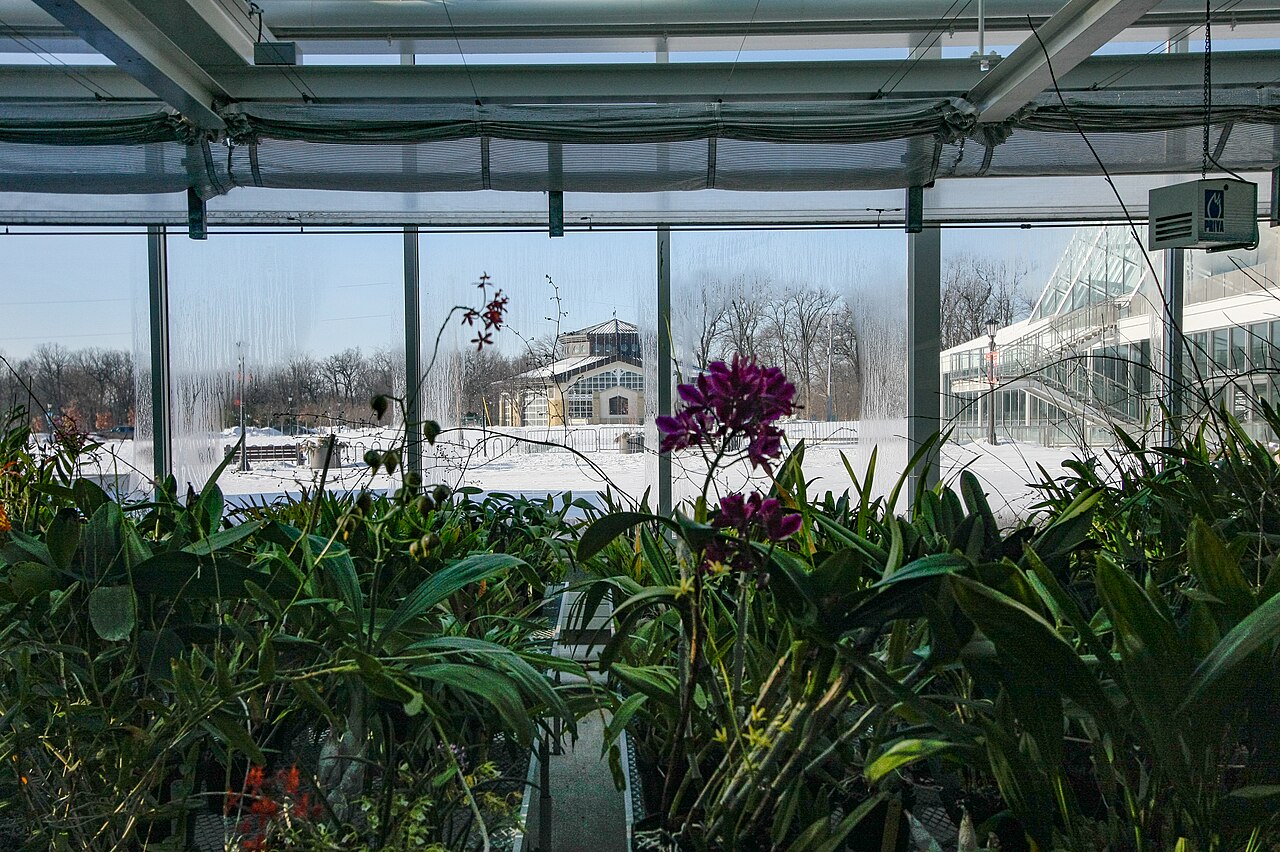
The Bell Museum is Minnesota’s natural history museum, a modern building on the University of Minnesota’s St. Paul campus that pairs a century of beloved wildlife dioramas with a planetarium and hands-on science. The famous dioramas, painted and built to show Minnesota habitats, are the heart of the visit, and they sit alongside Minnesota Journeys, a permanent exhibit covering space and time, a Nova Gallery of rotating exhibits and a Touch and See Lab where visitors can handle fossils, including specimens around ten thousand years old, and meet live plants and animals. The Whitney and Elizabeth MacMillan Planetarium shows dome films on subjects from the cosmos to the human brain, and the building has a green roof, an observation deck and a Learning Landscape of native plants, geology gardens and a solar station outdoors. It is open Wednesday through Sunday and is a particularly good wet-weather and winter choice for families, though adults who like natural history will find plenty to enjoy too.
Planning
The museum is at 2088 Larpenteur Avenue West in St. Paul, on the university campus, so it is a car, rideshare or bus trip from downtown rather than a skyway walk. Opening days are Wednesday through Sunday, with a regular day from 10 in the morning to 4 in the afternoon, and the website lists admission and planetarium showtimes on separate pages, so check both.
Planetarium shows run at set times, so look at the schedule when you buy and plan the galleries around it. Membership brings free gallery access, which only pays off for repeat visits.
What to see
Start with the dioramas, which show everything from northwoods wildlife to prairie species in carefully painted habitat scenes, and then move to the Touch and See Lab for the hands-on part. A rotating gallery brings new exhibits, and botanical art from the Eloise Butler Wildflower Garden has been on view recently.
Head up to the green roof and observation deck for a view over the campus, and if the weather is fair walk the Learning Landscape. The planetarium is a separate experience of its own, so build in time for a show if you can, and allow two to three hours for the whole building.
Making the most of it
The Bell works well as a half-day outing for a family with children between about four and twelve, and it pairs naturally with the Science Museum of Minnesota or the Como Park Zoo and Conservatory, both in St. Paul, for a day devoted to science and nature. A sensory-friendly day and extended-hours evenings are offered on some dates, so look at the events page if you want a quieter or adults-only visit.
Pack layers, because the outdoor spaces are lovely but can be windy in the shoulder seasons, and because the museum café and shop help make a full outing. In winter, treat it as an indoor science day and arrive when it opens to beat the school groups that fill weekday mornings.
What to expect
The experience
A natural history museum with wildlife dioramas, a hands-on fossil lab, a green roof and a planetarium.
Best time
Weekday mornings in cold or wet weather, Wednesday to Sunday only.
How long
Two to three hours, longer with a planetarium show.
Tips
Check planetarium showtimes when you buy and arrive at opening to avoid school groups.
Quick picks
- Best for
- Families with children and natural history fans.
- Families
- One of the best wet-weather choices in the Twin Cities for ages four to twelve.
- Couples
- A quirky daytime outing, with occasional adults-only evening events.
- Pair with
- Science Museum of Minnesota or Como Park Zoo and Conservatory.
- Time needed
- Two to three hours.
Good questions
Where is the Bell Museum?+
At 2088 Larpenteur Avenue West in St. Paul, on the University of Minnesota Twin Cities campus.
What days is it open?+
Wednesday through Sunday, with a regular 10am to 4pm day. Check the website for holiday changes.
What is the planetarium like?+
The MacMillan Planetarium shows dome films on topics from the cosmos to the human brain, at set showtimes.
Is it good for young children?+
Yes. The Touch and See Lab, dioramas and planetarium suit curious children, and weekday school groups are common.
How much does it cost?+
Admission is on the museum’s hours and admission page and planetarium shows may be ticketed separately, so check before you go.