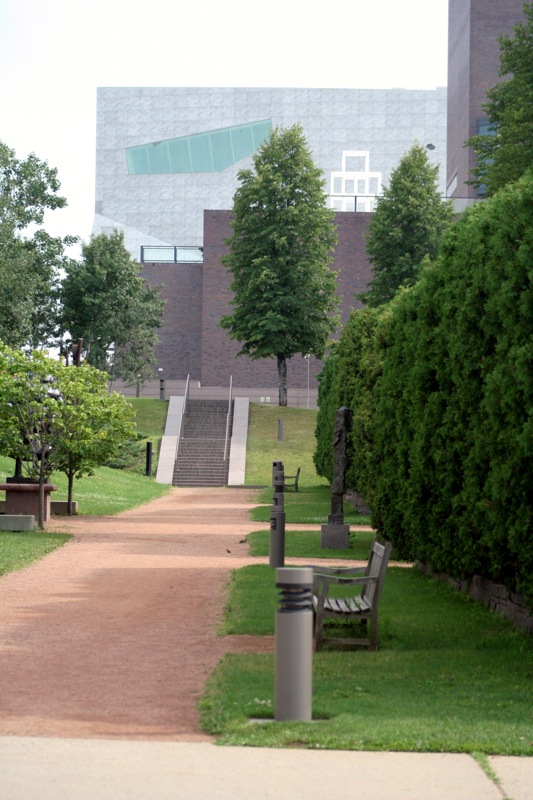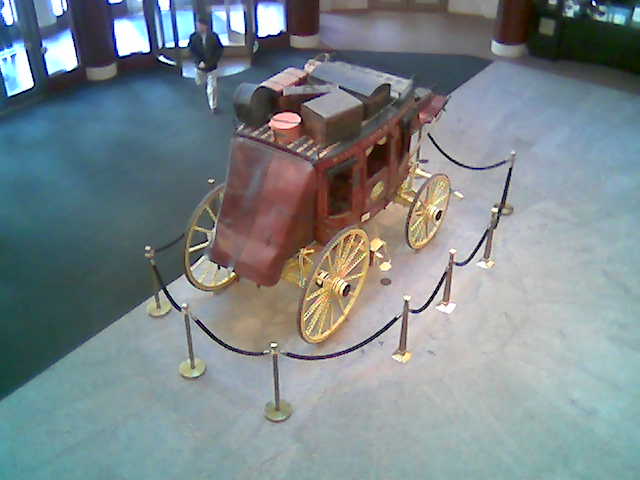
The Minnesota History Center, at 345 West Kellogg Boulevard in downtown St. Paul, is the state historical society’s main museum and the best place in the Twin Cities for a broad introduction to how Minnesota became Minnesota. Its exhibitions include Our Home: Native Minnesota, which tells the story of the Dakota and Ojibwe peoples; Minnesota’s Greatest Generation, on the Second World War era; Weather Permitting, a lively look at living with the state’s extreme climate; See and Be Seen; The Stories We Keep; and Then Now Wow, a gallery designed for families. Because Minnesota winters are long, a weather exhibit that explains why people live here at all is a good place to spend a cold afternoon. The museum charges admission, with reduced rates for seniors, veterans, military and college students, a lower children’s price, free entry for children four and under and for members, and offers such as Museums for All for eligible visitors. It suits history lovers, families with school-age children and anyone who wants context for the rest of their trip, and it combines well with the nearby Capitol and the cathedral.
Planning
The museum’s hours page lists the days of the week without clear opening and closing times, so confirm the hours and any holiday closures with the museum before you travel. Parking and directions are on a separate page, and the building is a short walk from the Rice Park and Cathedral area and from the Capitol on foot or by a short ride, so you can plan a St. Paul day on foot. Group, school and field-trip tickets are available separately.
What to see
Begin with Our Home: Native Minnesota, which grounds the visit in the Dakota and Ojibwe histories that long pre-date statehood, then move to the exhibits on twentieth-century life and the Greatest Generation. Weather Permitting is a good fit for visitors from warmer places who want to understand the climate, and Then Now Wow is aimed at younger children who learn by touching. Allow two to three hours for the museum overall, more if you linger. The exhibitions rotate, so check the museum site for what is on view during your dates.
Making the most of it
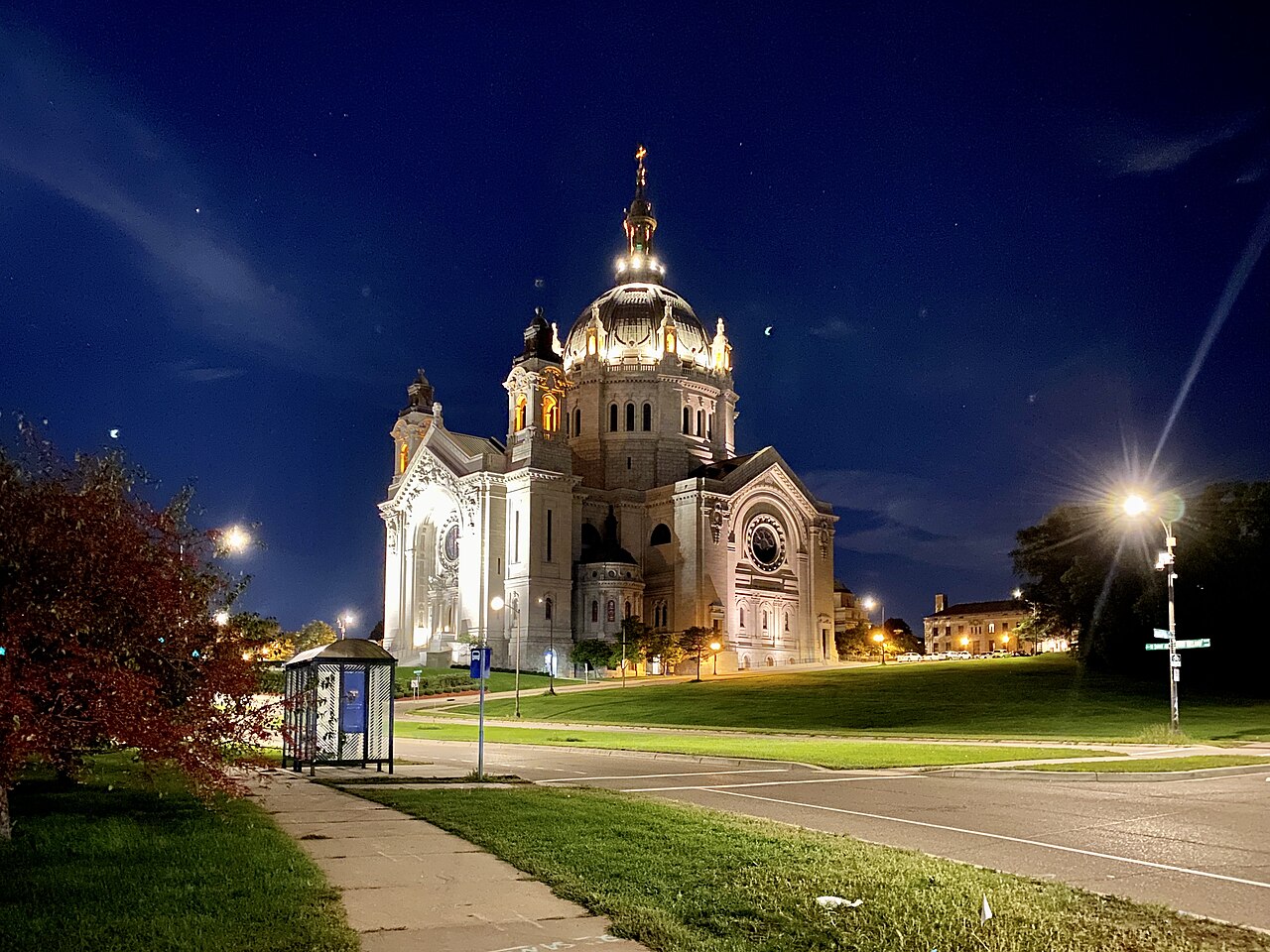
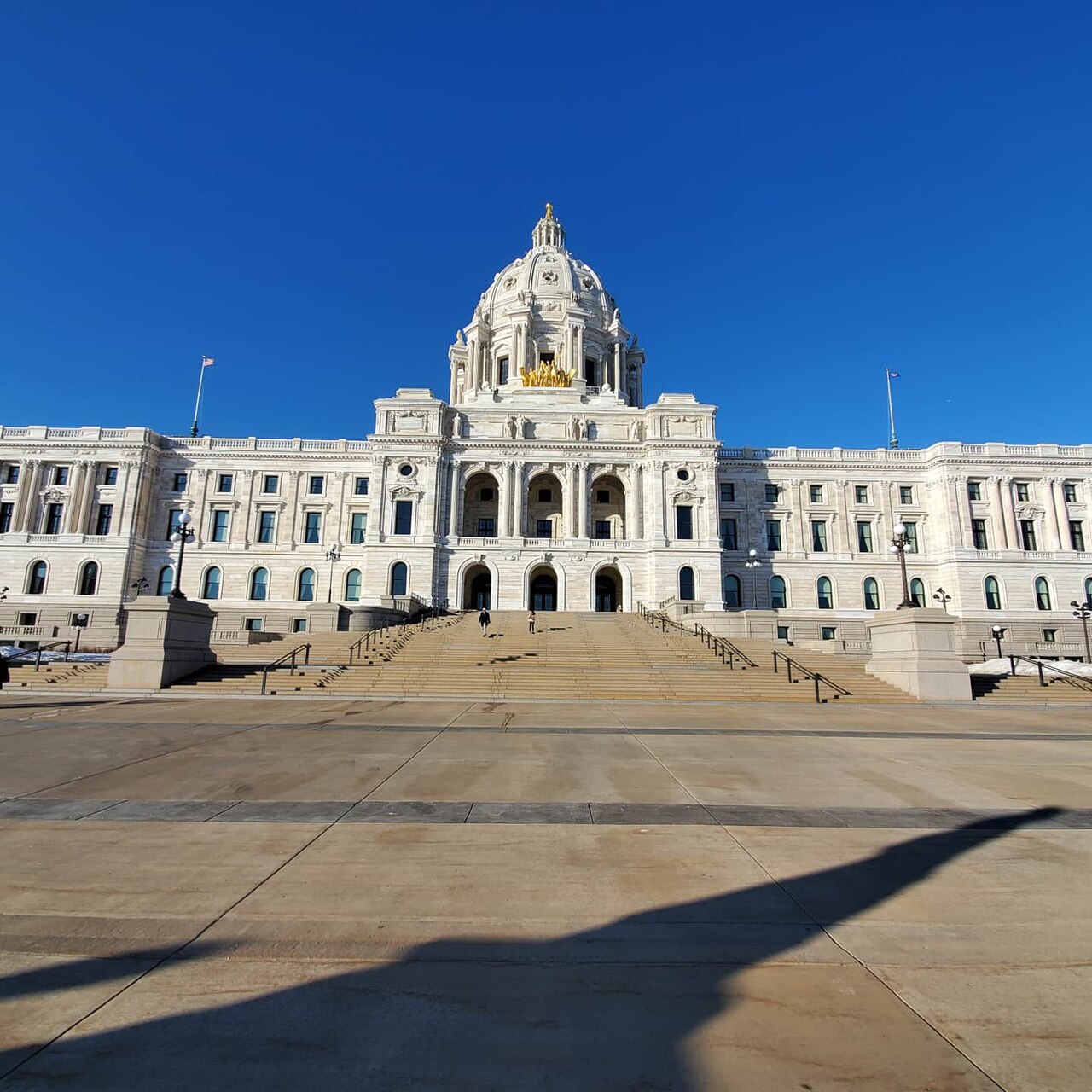
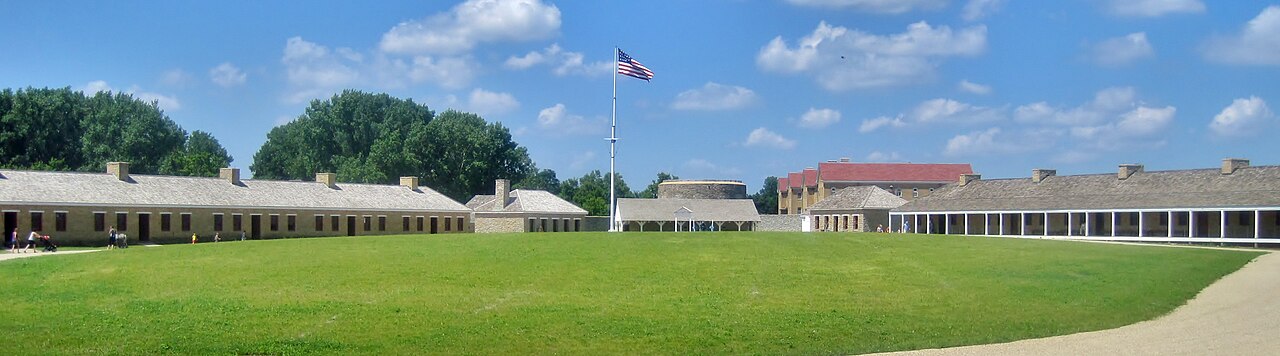
Combine the History Center with the Minnesota State Capitol, which is a short distance away and offers free guided tours, and with the Cathedral of Saint Paul for a compact St. Paul morning of landmarks. Historic Fort Snelling, run by the same historical society, gives the earlier story on the bluff above the rivers, and the two sites make a good pair for anyone who wants depth on Minnesota history.
Bank-card and museum-access schemes can reduce the cost, so check the admission page before paying full price. In winter, the museum is a warm, dependable indoor anchor for a day in downtown St. Paul.
What to expect
The experience
A state history museum with exhibitions on Native Minnesota, wartime life, weather and a family gallery.
Best time
Weekday mornings, and cold or wet days when indoor time is welcome.
How long
Two to three hours.
Tips
Confirm hours with the museum, and check the admission page for discounts and access schemes.
Quick picks
- Best for
- History lovers and families with school-age children.
- Families
- Then Now Wow and Weather Permitting suit children well.
- Couples
- A thoughtful indoor afternoon in downtown St. Paul.
- Pair with
- Minnesota State Capitol and Cathedral of Saint Paul.
- Time needed
- Two to three hours.
Good questions
Where is the Minnesota History Center?+
At 345 West Kellogg Boulevard in downtown St. Paul.
Who gets free or reduced admission?+
Members and children four and under are free, and seniors, veterans, military and college students pay a reduced rate. Museums for All offers free entry to eligible visitors.
What are the main exhibitions?+
Our Home: Native Minnesota, Minnesota’s Greatest Generation, Weather Permitting, See and Be Seen, The Stories We Keep and Then Now Wow.
What are the opening hours?+
Check the museum’s hours page or call before you travel, as hours and holiday closures can change.
What can I combine it with?+
The Minnesota State Capitol and the Cathedral of Saint Paul are both close by.