The Twin Cities eat far better than their reputation for hotdish and lutefisk suggests. A strong farming hinterland, a wave of immigrant cooking and a serious craft-beer culture have produced a food scene that rewards curious visitors. This guide sticks to dishes, neighbourhoods and ways of eating rather than naming restaurants, because menus and ownership change faster than guidebooks.
Start in the North Loop
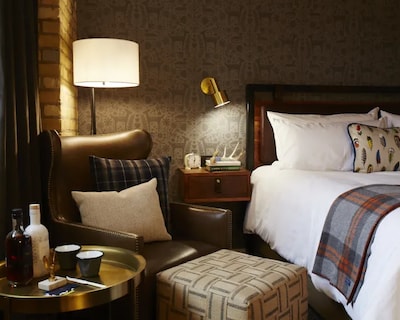
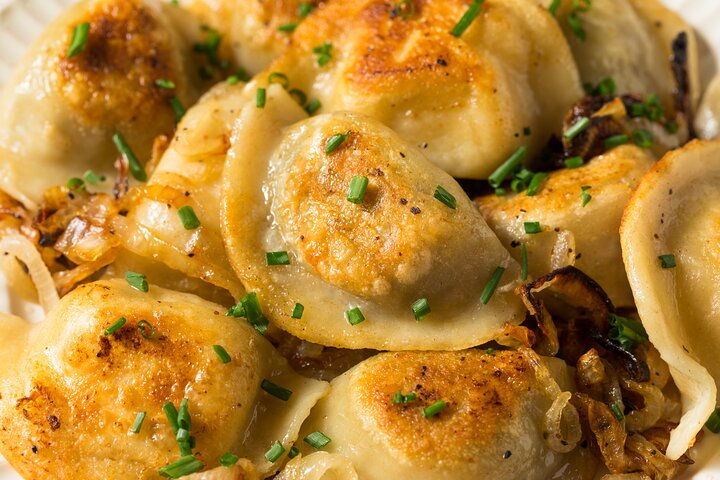
The old warehouse district on the northern edge of downtown Minneapolis is the city’s best eating neighbourhood, with brick buildings converted to restaurants, bakeries, bars and coffee shops. A food hall on North 4th Street anchors the area, and the walking food tour starts there. The tour is a good way to taste several places in about three hours, with items such as coal-fired pizza, beer-battered cheese curds, pierogies and ice cream, and to learn where locals eat. The Hewing Hotel is here too, with a wood-fired restaurant on site.
Midwestern classics to try
Cheese curds, the squeaky fresh cheese that is often fried in beer batter, are the signature snack. Look for wild rice soup, a regional staple, walleye, the state fish, and hotdish, the casserole that is part of local identity. The Juicy Lucy, a burger stuffed with melted cheese, is a Minneapolis claim to fame, and every local has an opinion on where to get one, so ask and compare. Bars, supper clubs and neighbourhood spots are where these dishes are at their best, and the portions tend to be generous.
New Nordic and Scandinavian
The region’s Swedish, Norwegian and Finnish roots show in baking, coffee and open-faced sandwiches. FIKA, the café at the American Swedish Institute, focuses on regional ingredients and New Nordic cooking, and it does not take reservations, so go outside the lunch rush. It is a good place for a pastry, a coffee or a light lunch after the museum, and the café can be visited without a museum ticket.
Craft beer
Minneapolis has a dense brewery scene, with taprooms in converted warehouses and industrial buildings across the city. The all-inclusive brewery minibus tour visits three taprooms in about three hours, for guests aged 21 and over, and it solves the driving problem. If you prefer to explore on your own, ask your bartender for local recommendations and use the light rail or rideshare for the trip home.
Hotel dining and special occasions
The Four Seasons Hotel Minneapolis has a destination restaurant, the Saint Paul Hotel has a grill and a casual breakfast room overlooking Rice Park, and the Hewing Hotel has a wood-fired restaurant and a rooftop sauna. Book ahead for weekends and for big-event nights at the stadium and the ballpark.
Eating at Mall of America
The mall has a large food court and dozens of restaurants, which suits families with different tastes. Eat before or after the rush, and if you are visiting several attractions, plan lunch between them rather than at the busiest hour. Look at the mall’s site for current restaurant hours, especially around Thanksgiving and Black Friday.
Skyway lunches
Downtown Minneapolis’s skyways are lined with quick lunch spots that serve office workers on weekdays, and many close early or on weekends. In winter, a skyway lunch is a convenient way to eat without going outside, and there are options at every price.
Food and sightseeing combined
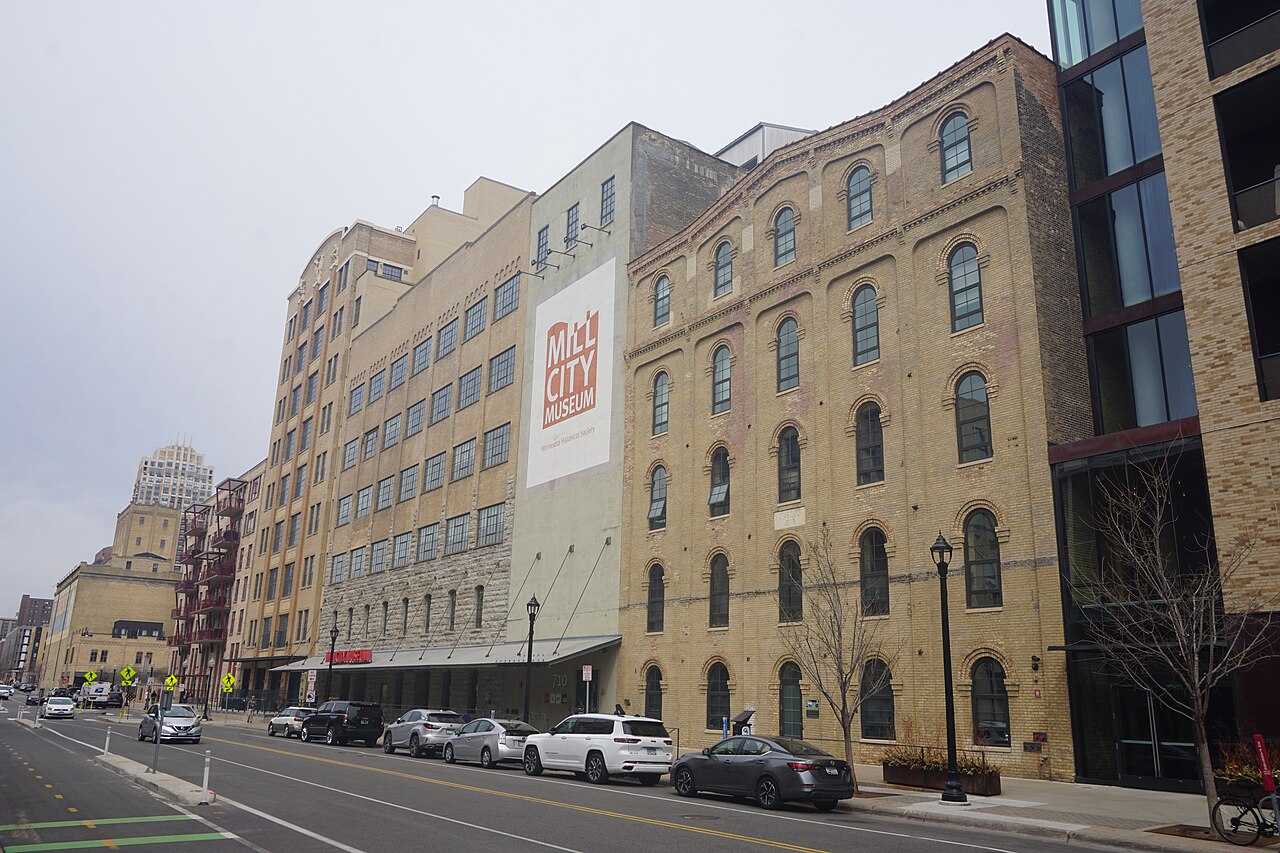
A food tour in the North Loop pairs well with the Stone Arch Bridge and the Mill City Museum, which are a short walk away. In St. Paul, the Summit Avenue walk and the Cathedral fit comfortably around a long lunch downtown. At the Guthrie, a Saturday-morning backstage tour can be followed by lunch in the Mill District.
Eat like a visitor who plans
Pick one neighbourhood per meal rather than crossing town, because traffic and parking add up and the light rail only reaches some districts. A good rhythm is a coffee and pastry in the morning, a big lunch from a tour or a food hall, and a sit-down dinner near your hotel. Leave room for dessert, since local ice cream shops, bakeries and Scandinavian pastries are worth the calories, and ask staff what is seasonal, because menus follow the harvest.
Practical tips
Tipping in the United States is customary, usually around 18 to 20 percent in restaurants. Tell the kitchen about dietary needs when you book, since menus vary. Many restaurants close one or two days a week, often Sunday or Monday, so check before you plan a special meal. Reserve for dinner on weekends, and consider an early or late sitting to avoid crowds.