Swahili cooking is the clearest edible record of the coast's history. Rice, spices, coconut and fish arrived through centuries of Indian Ocean trade, and the result is a cuisine that tastes of Oman, India, Persia and East Africa at once: fragrant pilau and biryani, coconut-based curries, fried dough and street snacks that cost very little. A guided food tour through Mombasa is the easiest way into it. You walk with a local, stop at small stalls and family-run kitchens you would struggle to pick out alone, and eat your way through a long list of tastings.
Expect a succession of small plates rather than one big meal. Common stops include a bakery or stall for samosas and kachori, a grill for mishkaki (marinated skewered meat), a fryer for mahamri (cardamom-scented coconut dough) and sweet pastries, a vendor for cassava with a tangy tamarind and chilli sauce, and a place for rice dishes such as pilau or biryani.
Drinks might include fresh sugar-cane juice, spiced tea, coffee served in tiny cups from a street seller, and tamarind or coconut refreshments. Guides explain each dish, where its ingredients came from and how it fits into daily life on the coast.
Routes differ by operator, but most cover Old Town and neighbouring streets and last around three hours, with a fair amount of walking at a gentle pace. Come hungry, skip breakfast and wear comfortable shoes. Tell the guide in advance about dietary needs: Muslim-majority neighbourhoods mean pork is not part of the menu, and halal food is the norm, which suits many visitors. Vegetarians can enjoy much of the route, but fish and meat feature heavily, so ask about alternatives when you book. Allergies to nuts, seafood or dairy should be discussed early.
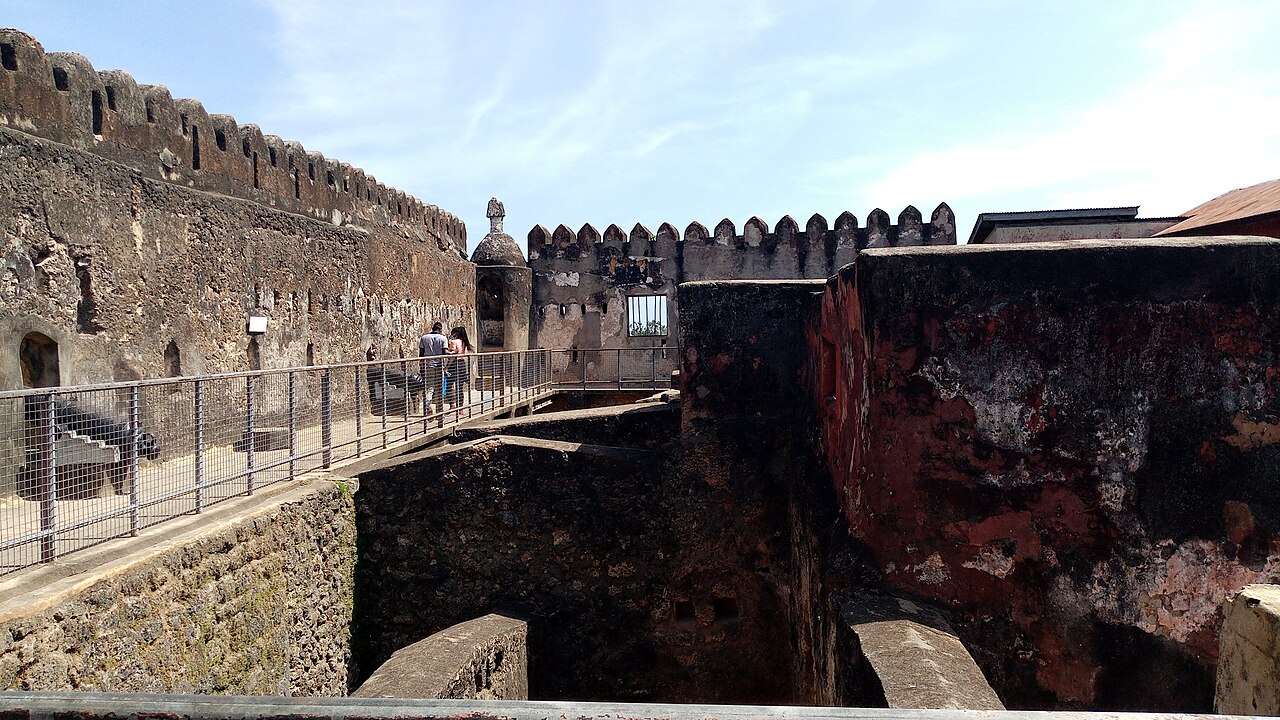
A food tour also works as a soft introduction to Old Town. Many include a stop at the harbour, a view of the carved doors and a few minutes of history, so it pairs well with a morning at Fort Jesus. Take small change for extra snacks and a drink or two, and drink only sealed or properly prepared beverages if you have a sensitive stomach.
Consider a cooking class on another day to learn how to recreate the dishes, or finish with a dhow dinner for seafood. Midday is hot, so many people prefer an earlier start or late-afternoon tour.
To get the best from the tasting, pace yourself and ask questions. Guides are usually happy to talk about the spice trade, the way cardamom, clove, cinnamon and black pepper entered local kitchens, and why some dishes use coconut milk while others rely on tamarind and lime. Try to taste at least one item from each category: something fried, something grilled, something rice-based and something sweet. If you find a favourite stall, note its location and return on your own.
Bring a small bottle of water, tissues or wet wipes, and a reusable bag for any snacks to take away. After the tour, many visitors walk to Fort Jesus or the old harbour to burn off the calories and see the neighbourhood with new eyes. Many guests say the tour is the best way to meet local people, because vendors enjoy explaining their recipes and often share a family story. Keep conversations friendly, tip fairly where appropriate and thank each host in Swahili with a simple asante.
What to expect
The experience
A guided walking tasting route through Old Town with fifteen or more small tastings, from savoury skewers and pastries to rice dishes, snacks and drinks.
Best time
Late morning or late afternoon, when stalls are busy but the heat is manageable.
How long
About three hours at an easy walking pace.
Tips
Arrive hungry, wear comfortable shoes, mention dietary needs when you book and carry a little cash for extra snacks.
Quick picks
- Best for
- Food lovers and curious first-timers who want to understand Swahili cooking quickly.
- Families
- Works for older children who like trying new foods; skip it for fussy young eaters.
- Couples
- A relaxed, social way to spend a morning together.
- Pair with
- Fort Jesus, the Old Town walk and a Swahili cooking class.
- Time needed
- A morning or late afternoon.
Good questions
What foods will I taste?+
Typically samosas, grilled skewers, mahamri, cassava with tamarind sauce, rice dishes and coastal drinks, though the line-up depends on the operator and the day.
Is it halal?+
Most food in Old Town is halal and pork is not typically served. Confirm with the operator if this matters to you.
Can vegetarians join?+
Often yes, but meat and fish feature on many routes. Mention it when you book so the guide can plan alternatives.
How much walking is there?+
Moderate. Stops are short and close together, so it suits most fitness levels, but it is hot, so pace yourself.
Should I eat beforehand?+
No. Fifteen or more tastings add up to a full meal.