Montego Bay is warm all year, with sea temperatures that stay pleasant in every month, so the best time to visit depends on what you value most: perfect weather, lower prices, fewer crowds or particular events. The year divides into a dry winter season, a hot summer and a wet autumn, and each has its own appeal. Here is how to choose.
December to April: the dry, busy season
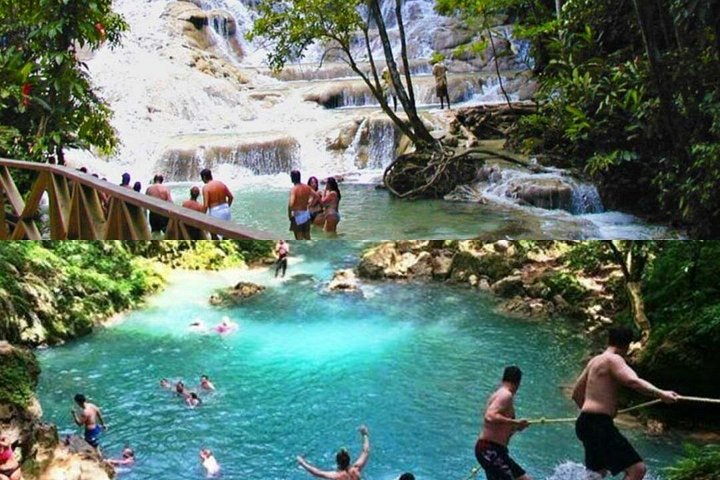
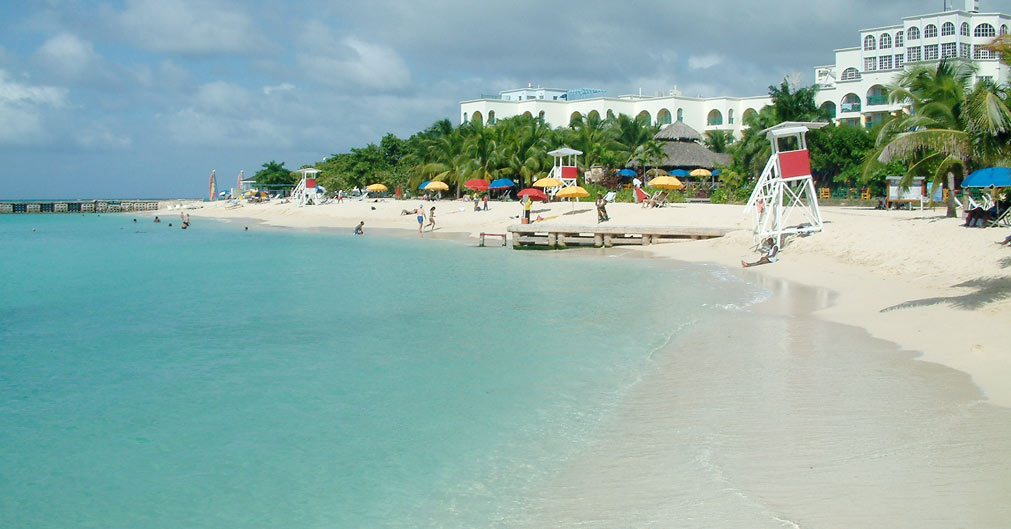
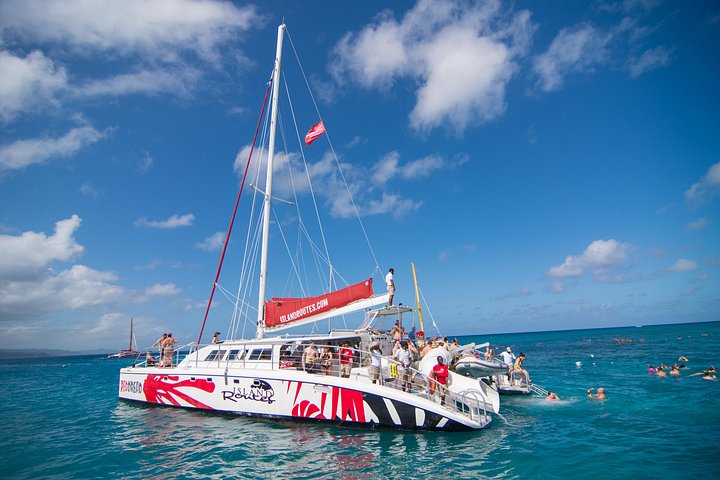
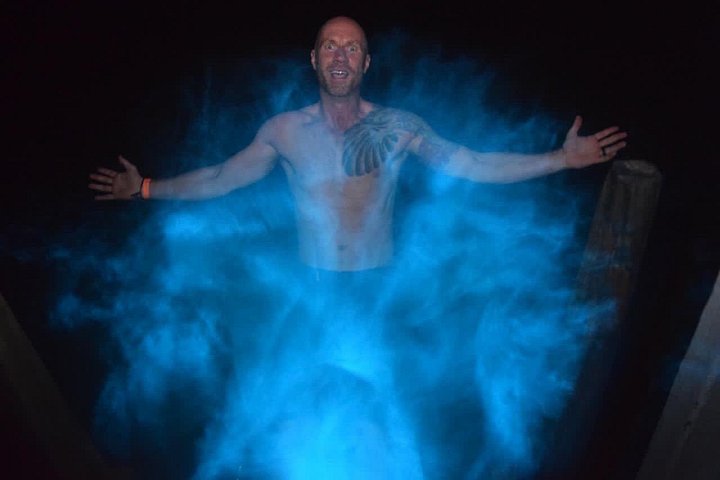
This is the classic time to visit. Days are sunny and warm, with lower humidity and cooler evenings, and rain is rare, so beach days, waterfalls and day trips go smoothly. Hotel rates peak, especially around Christmas, New Year and the February and March school breaks, and the most popular tours sell out, so book flights, rooms and excursions early. The sea is calm and clear, which suits snorkelling and catamaran trips, and the Luminous Lagoon is usually at its best on dark nights. If you want the most reliable weather and do not mind paying for it, this is your window.
May to June: the shoulder season
Temperatures and humidity climb, and the first showers arrive, but the weather is still mostly good, and prices fall noticeably. Crowds thin, and the beaches, waterfalls and restaurants feel more relaxed. Early May is often an excellent compromise, with the best of the dry weather and the first of the lower rates. Short, heavy downpours are common in the afternoon, so plan outdoor activities for the morning.
July and August: hot, lively and family-friendly
Summer is the hottest and most humid time of year, with temperatures that make a hotel pool or the sea essential. It is a popular time for families on school holidays and for visitors from the Jamaican diaspora, and the island hosts a number of festivals and events. Reggae Sumfest, the big annual music festival in Montego Bay, is normally held in July and draws crowds from around the world, so book early if you want to be there, and expect the city to be busy. Afternoon thunderstorms are common, though they usually pass quickly.
September to November: the wet, quiet season
This is the heart of the Atlantic hurricane season, which runs from June to November and typically peaks between August and October. Jamaica is not struck every year, but storms can be severe, as Hurricane Melissa showed in October 2025. Rain is heavier, some attractions may close or run reduced schedules and rates are at their lowest. If you travel at this time, buy flexible bookings and travel insurance that covers weather disruption, check forecasts as your dates approach and be prepared to change plans. In exchange, you get uncrowded beaches and sights and bargain prices.
Choosing by priority
If you want the best weather, go between mid-December and mid-April. If you want a balance of good weather and lower prices, choose late April, May or early June. If you want to see a major festival, plan around July for Reggae Sumfest. If you want the lowest prices and can accept the weather risk, consider the autumn months with flexible bookings. For waterfall days, the dry season gives clearer water and fewer closures, while for the Luminous Lagoon, darker nights around the new moon are better than the full moon.
Reading the weather day to day
Even in the wetter months, rain in Jamaica often comes as a short, sharp shower rather than a day-long downpour, and mornings are usually the clearest part of the day. Plan waterfalls, rafting and beach time early, and keep museums, great houses and long lunches for the afternoon. Sea conditions change with the wind, so ask your hotel or boat operator about the day’s swell before booking a snorkelling trip, and check the forecast for any outing that depends on a calm sea or a clear sky.
What to pack
Light, breathable clothing, a swimsuit, reef-safe sunscreen, a hat, sunglasses and water shoes will serve you in any season. Add a light rain jacket for the wetter months and a light layer for cooler winter evenings. Bring insect repellent for evenings and for time near mangroves and rivers. If you plan to hike, climb or raft, pack shoes that grip when wet.
A note on safety and planning
Check the latest travel advice from your government before booking, keep copies of your documents and register your trip if your country offers the service. Ask your hotel about its storm procedures if you travel in the hurricane season, and follow local authorities’ guidance if a storm threatens. With sensible planning, Montego Bay is rewarding in every season.