Monteverde is one of the great wildlife destinations of the Americas. The cloud forest shelters hundreds of bird species, countless frogs and insects, and mammals such as sloths, coatis and monkeys, and the combination of altitude, mist and protected land makes it easier to see them than in many other places. This guide explains what you might see, where to look and how to give yourself the best chance, without promising anything that nature cannot guarantee.
Birds, and the quetzal in particular
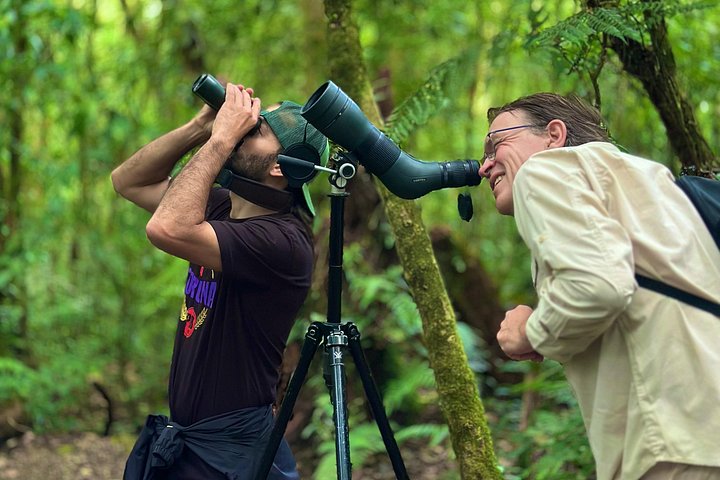
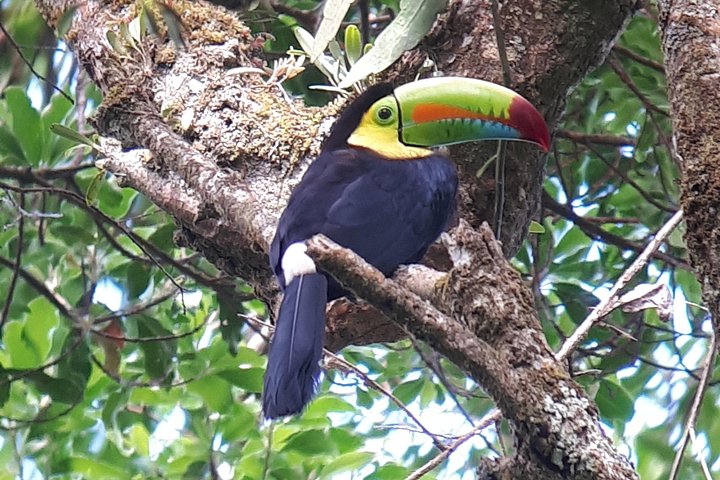
The resplendent quetzal, with its emerald body and long trailing tail, is the bird that many visitors hope to see. It is most reliably found in the drier months, roughly from the start of the year into spring, when it nests and feeds on wild avocado fruits. Hummingbirds are a near certainty at feeders in any season, and toucanets, trogons, tanagers and warblers add colour to the forest. A guided birdwatching outing with a local expert and a spotting scope is the most reliable way to find them, and a visit to Curi-Cancha is a good complement.
Sloths
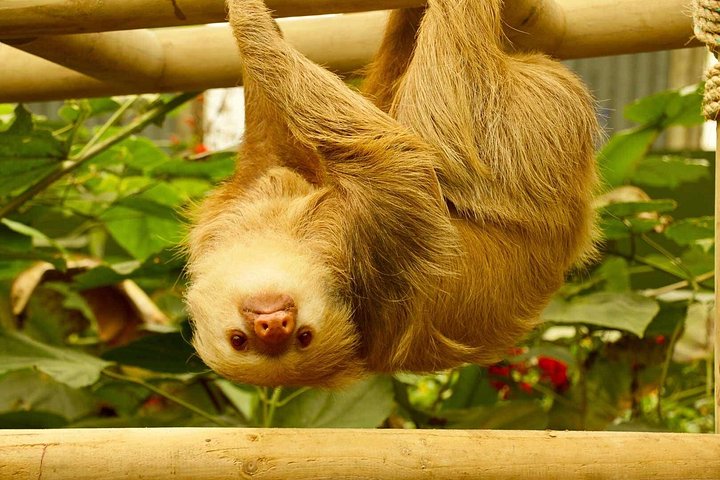
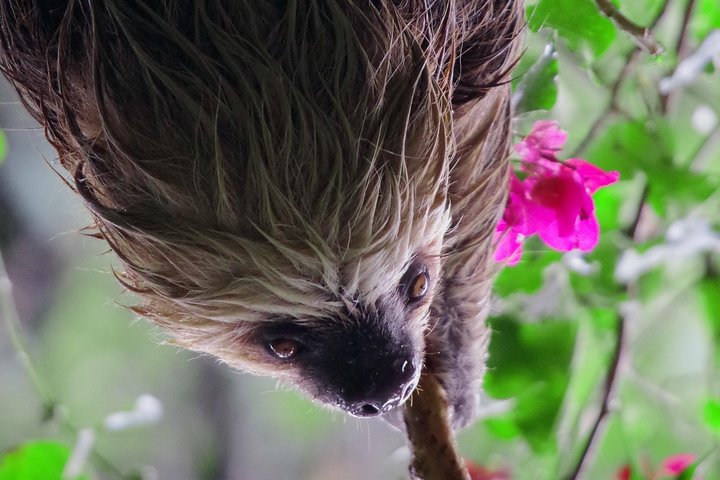
Sloths are slow, camouflaged and usually high in the trees, so spotting one in the wild takes a trained eye. A guided walk, either by day or after dark, improves your chances, because guides know the trees where sloths are often found and carry scopes to bring them closer. If you want a guaranteed close look, the Selvatura sloth habitat shows rescued animals in a protected setting. Whichever you choose, keep a respectful distance and never try to touch or feed a wild animal.
Frogs, snakes and reptiles
Monteverde is famous for its amphibians, although some species have declined in recent decades, which is part of the reason conservation matters so much here. After dark, guided night walks reveal tree frogs, glass frogs and other small creatures, along with snakes, lizards and tarantulas. The Selvatura herpetarium collects many of these animals in one place, with a guide to explain them, and it is a good way to learn what to look for on a night walk. Treat every snake as potentially dangerous, stay on the path and follow your guide.
Butterflies and insects
The Monteverde Butterfly Gardens are a compact, easy introduction to the area's insects, with screened habitats where butterflies hatch, feed and fly freely. Walking guided trails in the forest also reveals leafcutter ants, walking sticks, beetles and moths, and the insect exhibition at Selvatura shows hundreds of specimens in one place. Insects are often the most surprising part of a cloud forest visit, and children tend to love them.
Mammals
Besides sloths, the forest holds coatis, agoutis, monkeys, kinkajous and, rarely, larger cats, although the cats are shy and almost never seen. Night walks give the best chance of spotting nocturnal mammals, and quiet early mornings in the reserves can reward patient walkers with sightings of coatis or monkeys. Remember that wild animals are unpredictable, and a good guide will keep you at a safe distance for both your sake and theirs.
Choosing the right place
The Monteverde reserve is the classic choice, with a network of trails through mature cloud forest and the best overall chance of seeing a wide variety of birds. The Santa Elena reserve is quieter and slightly higher, with misty trails and wonderful views on clear days. Curi-Cancha offers a quieter, private-reserve feel and is excellent for families and birdwatchers. Selvatura brings a range of animals together in one park. Visiting more than one place across a few days gives you the best overall picture of the region.
The best times of day
Early morning is the best time for birds and mammals, because the forest is active and the air is cool. Midday is quieter, which makes it a good time for indoor wildlife attractions such as the herpetarium or the butterfly gardens. Dusk and night belong to the nocturnal creatures, so a guided night walk is a must for anyone who is serious about wildlife. Plan your day around those rhythms and you will see far more than if you simply wander at any hour.
Using a guide
A good guide is the single most valuable investment for wildlife watching. They know the calls, the habits and the places where animals are likely to be, and they carry scopes that bring distant creatures into view. Small groups see more and disturb less, so choose a small-group or private option where you can. Ask the guide about conservation, because the story of how this land was protected is one of the most inspiring in Costa Rica.
Watching responsibly
Keep to marked trails, stay quiet and never feed or touch animals. Avoid flash photography at night and near sensitive species, and carry out whatever you carry in. Choose operators who keep groups small and who put the animals first, because the forest will only remain special if visitors treat it with care.
What to pack
Bring binoculars if you have them, a waterproof jacket, shoes with good grip and layers for the cool air. A small torch or headlamp helps on night walks if the operator does not supply one, although many guides prefer their own lights. A notebook or a bird identification app turns sightings into lasting memories, and a camera with a good zoom is a real help.
A wildlife-focused itinerary
On day one, visit the butterfly gardens and the hummingbird garden for easy encounters. On day two, join an early birdwatching outing or walk the main reserve, then visit the sloth habitat and herpetarium in the afternoon. On day three, spend the morning at Curi-Cancha and finish with a guided night walk. This plan gives you a wide range of habitats and times of day, and it leaves you with a far fuller picture of the cloud forest than a single visit could.