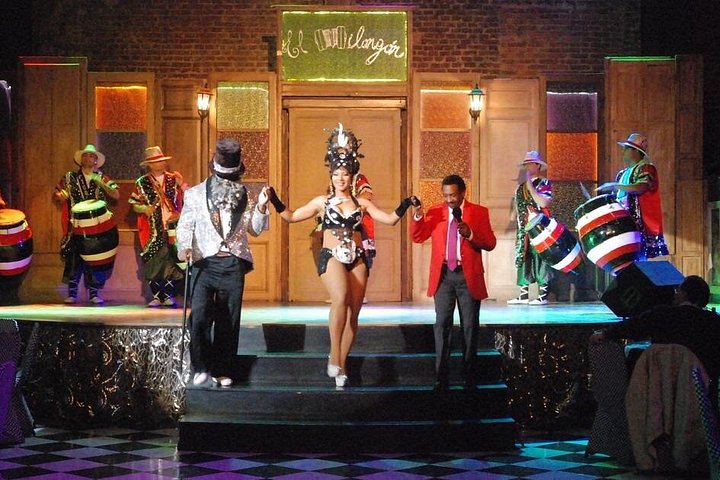
Candombe is the sound of Montevideo. Born among communities of African descent in the city's southern barrios, it is a drumming tradition played on three kinds of drum, the chico, the repique and the piano, which interlock to create a rolling, hypnotic rhythm. It is recognised by UNESCO as part of the intangible cultural heritage of humanity, and it is woven into everyday life, from neighbourhood drum circles on warm evenings to the great procession of the Llamadas, when drum corps march through Barrio Sur and Palermo. A private drum class is the best way for a visitor to move from hearing the music to feeling it. Rather than watching a performance, you sit behind a drum with a teacher and learn to play. The lesson starts with the basics of the instruments and the way each drum has its own role, and then builds towards playing a simple pattern together. No musical background is needed, because candombe is taught by ear and by repetition, and a good teacher can have a complete beginner keeping a steady beat within the first half hour.
The context is as valuable as the rhythm. Candombe grew out of the traditions of enslaved Africans brought to the River Plate region, and it survived through gatherings of families and neighbours in the conventillos, the crowded courtyard houses of the old southern districts. The drums are traditionally tuned over a fire, and the sound is full and warm, with the repique improvising over the steady foundation of the chico and the piano.
Your teacher will usually explain these roles and the cultural meaning of the music, along with the history of the Carnival and the Llamadas that carry it through the streets, so the class is part music lesson and part cultural introduction. You may also hear about the figures that accompany the drums, such as dancers and the old characters of the procession.
Because the class is private, the pace is yours. Complete beginners can concentrate on the basic rhythm and on keeping time, while visitors with some experience of percussion can try more varied patterns on the repique. The session is a physical one, with your hands striking the drum skin, so expect slightly sore palms by the end and a sense of having done something very different from the usual sightseeing.
Wear comfortable clothes and be ready to laugh at your mistakes, since the atmosphere is friendly and encouraging rather than formal. Ask your teacher about where to hear candombe in the city, as many neighbourhoods have informal drum gatherings, and the season of Carnival, which runs for weeks at the start of the year, fills the streets and theatres with performances.
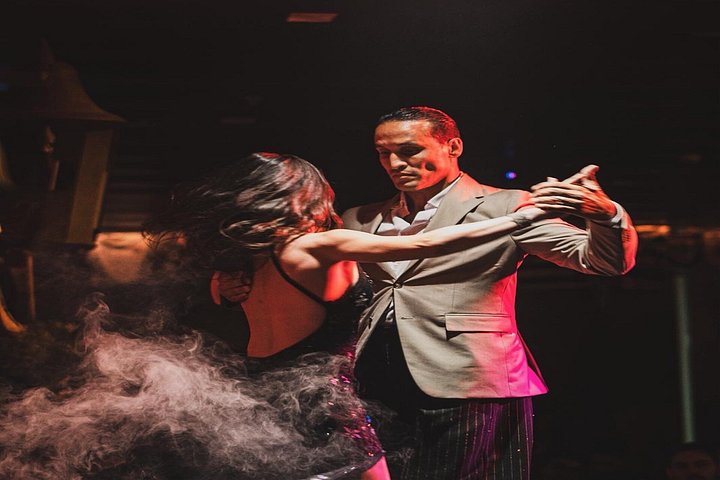
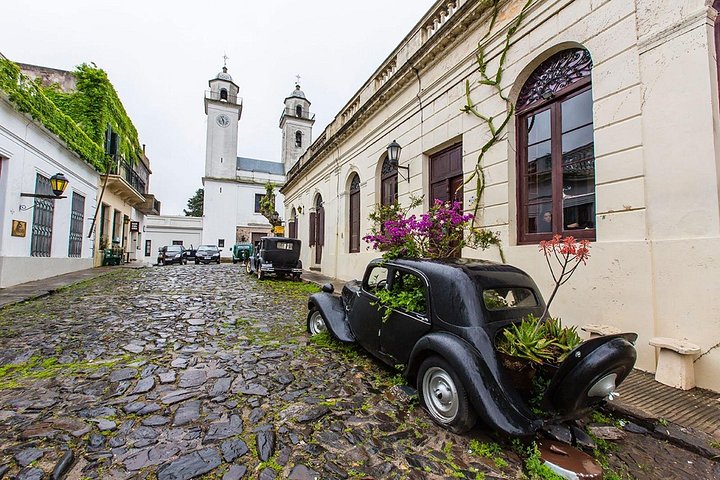
The class suits travellers who value hands-on culture. It is a good option for couples and small groups, for music lovers and for families with teenagers who would rather play than listen. It also fits comfortably between other plans, since it takes a couple of hours and leaves the rest of the day open for the Mercado del Puerto, a tango show or a walk through the old town.
If you visit in Carnival season, take the class early in your trip, so that you recognise what you are hearing when the drum corps pass by.
What to expect
The experience
A private lesson with a teacher, covering the three candombe drums, the basic rhythm and the cultural story behind the tradition.
Best time
Any day you have free; early in a trip helps you appreciate drum corps and performances you hear later.
How long
About two hours, with time for questions about the music and the city.
Tips
Wear comfortable clothes, expect sore palms, and ask the teacher where to hear live candombe during your stay.
Quick picks
- Best for
- Music lovers and curious travellers who want a hands-on cultural experience.
- Families
- Good for teenagers and older children who enjoy percussion; check age rules when you book.
- Couples
- A fun, social activity that leaves you with a skill and a story.
- Pair with
- A tango and candombe dinner show, a walk through Ciudad Vieja and the Mercado del Puerto.
- Time needed
- Two hours for the class, plus travel to the meeting point.
Good questions
Do I need musical experience?+
No. Candombe is taught by ear and by repetition, and beginners usually play a steady beat early in the lesson.
What are the three drums?+
The chico, the repique and the piano. They differ in size and pitch and each plays its own part in the pattern.
Is the class private?+
Yes, it is a private lesson, so the pace and the focus can be adapted to your group.
When is candombe most visible in the city?+
During Carnival, which runs for weeks at the start of the year, and in the Llamadas procession. Neighbourhood drum gatherings also happen at other times.
Can children join?+
Often yes, especially older children and teenagers. Confirm age limits and group size when you book.