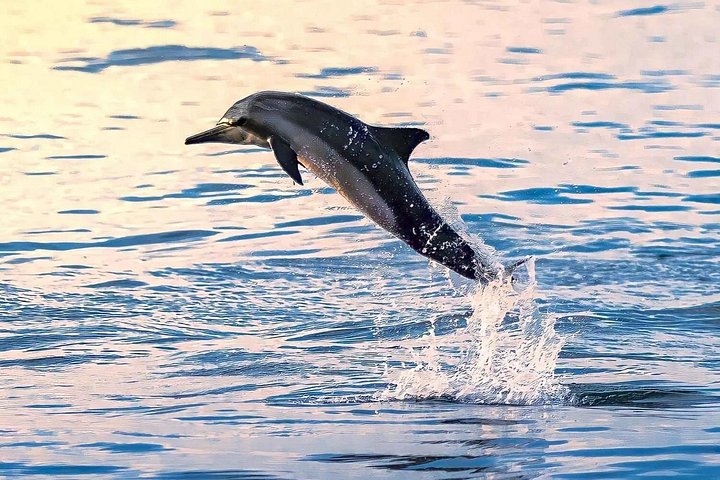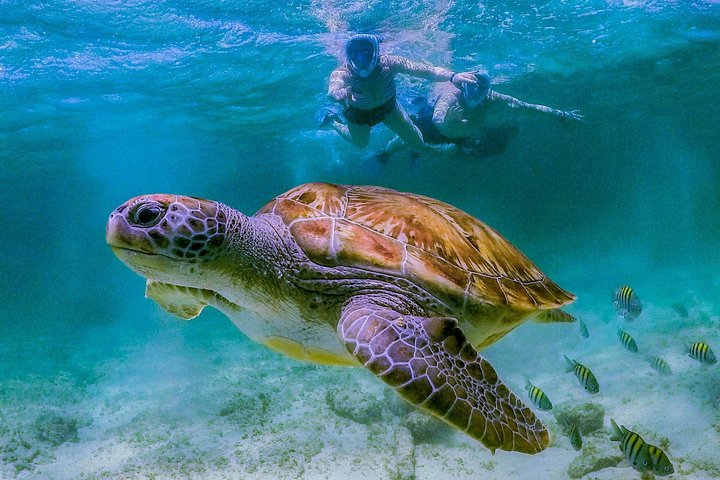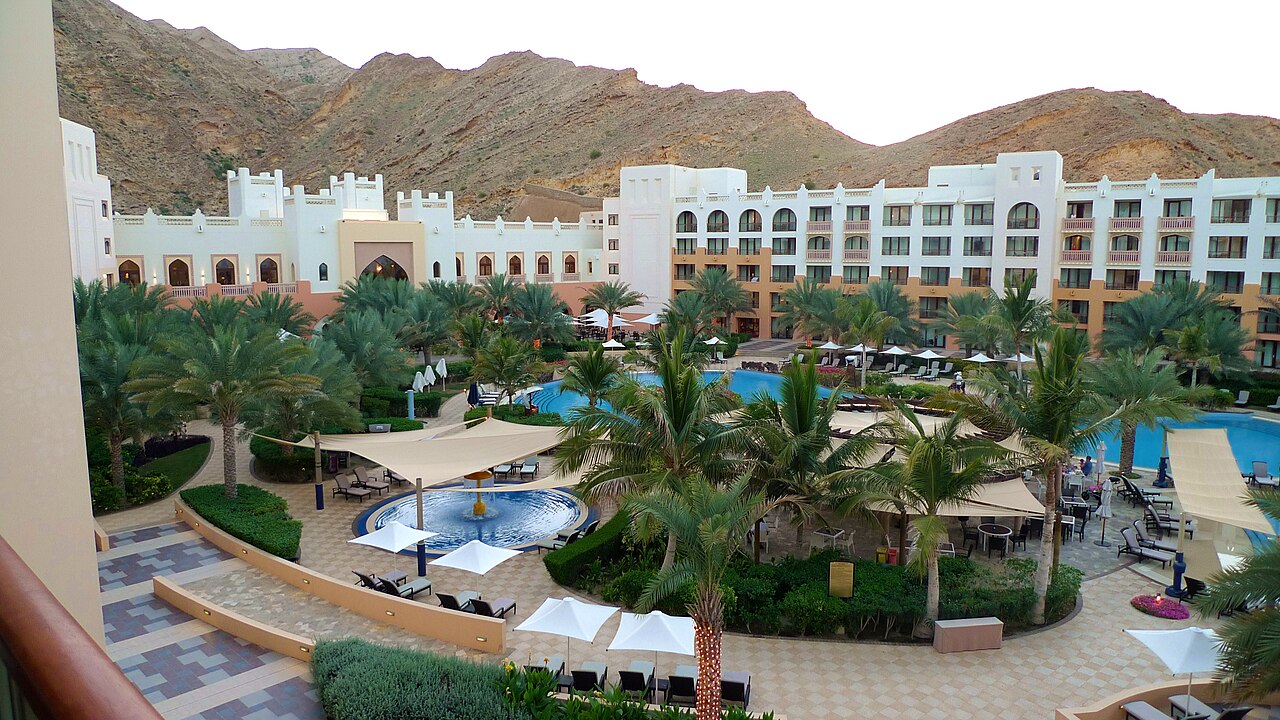
Scuba diving is a surprising highlight of the Muscat coast, and Qantab is one of the most convenient places to try it. This small fishing village lies a short drive south-east of the city, near the resorts at Barr Al Jissah, and its sheltered bay is a good place for beginners. The water is warm for much of the year, visibility is often good, and the rocky shoreline is home to reef fish, crabs and other marine life. Diving schools in the area offer guided dives and introductory sessions where you learn the basics in shallow water with a qualified instructor. A typical session starts with a briefing, equipment fitting and a short practice in the shallows, followed by a guided dive along the rocks and reef. Beyond the bay, the Gulf of Oman is rich in marine life, with turtles, rays and larger fish seen at various sites along the coast, though what you see depends on the day. The dive is a good way to see another side of Oman and works well as a half-day activity. Certified divers can ask about boat dives to other sites, while non-divers can snorkel or simply enjoy the beach. It is an adventure that is easy to arrange, safe when led by professionals and memorable for those who have never breathed underwater before, and it pairs nicely with a relaxed afternoon in one of the nearby beach hotels.
Getting there
Qantab is about 30 to 40 minutes by road from central Muscat. Meeting arrangements are given when you book, and some operators offer hotel pickup. Taxis are straightforward.
What to expect
Introductory dives are for people with no experience and are limited to shallow depths with an instructor at your side. Certified divers should bring their certification card and logbook, and may be able to join a deeper guided dive. All equipment is normally provided, though you may wish to bring your own mask.
Health and safety
Scuba diving requires a reasonable level of fitness. You will usually be asked to complete a medical questionnaire, and some conditions, such as asthma, heart problems or pregnancy, may rule you out. Do not fly within 18 to 24 hours of diving, which matters if you leave Muscat soon afterwards.
What to bring
Swimwear, a towel, sun cream, a hat and water. Wear modest cover-ups for the journey. A rash vest helps against the sun and minor scrapes.
Making the most of it
The water is comfortable for most of the year, though summer can be hot and the sea warmer than many divers expect. Spring and autumn often bring the best conditions. Book ahead during the cool season when demand is highest, and tell the operator about your experience level so the dive can be matched to you.
A few extras
Tell the instructor if you are nervous or have trouble equalising your ears, since it is easy to slow down and practise. Some operators offer underwater photos or video for an extra fee. Avoid alcohol the night before, drink plenty of water, and eat lightly beforehand. The beach and nearby resorts offer a pleasant place to relax once you are dry.
What to expect
The experience
A guided introductory or certified dive from a small bay, with a briefing, equipment, an instructor and time in the shallows before the dive.
Best time
Morning, when the sea is calm and visibility is best, particularly in the cool season.
How long
About two to three hours in total, with roughly an hour in the water.
Tips
Complete the medical questionnaire honestly, bring your certification if you are qualified and avoid flying soon after diving.
Quick picks
- Best for
- Beginners and certified divers who want an easy dive close to the city.
- Families
- Usually suited to teenagers and adults; check minimum ages when you book.
- Couples
- A shared adventure in warm water, followed by a relaxed afternoon on the beach.
- Pair with
- A stay at a beach resort, or the Dimaniyat Islands for snorkelling.
- Time needed
- A morning or half day.
Good questions
Do I need to be certified?+
No, introductory dives are for beginners. Certified divers should bring their card and logbook.
How long is the dive?+
About an hour in the water, with a briefing and equipment fitting beforehand.
What will I see?+
Reef fish, crabs and other marine life near the rocks, and occasionally rays or turtles, depending on the day and site.
Is it safe?+
Led by qualified instructors, yes. You will need to complete a medical questionnaire, and some conditions may rule you out.
Can I fly after diving?+
Avoid flying for 18 to 24 hours after diving, so plan your itinerary accordingly.