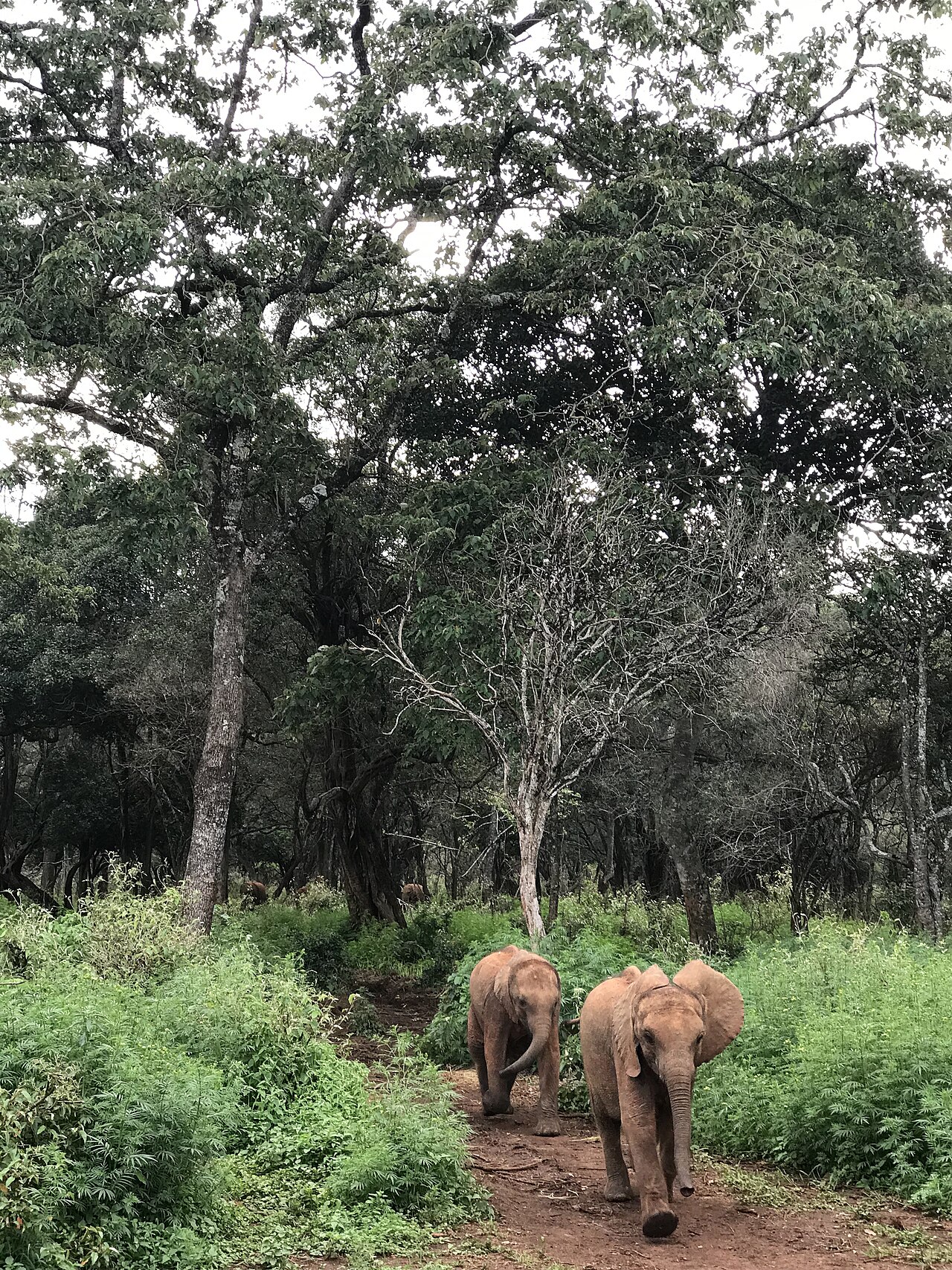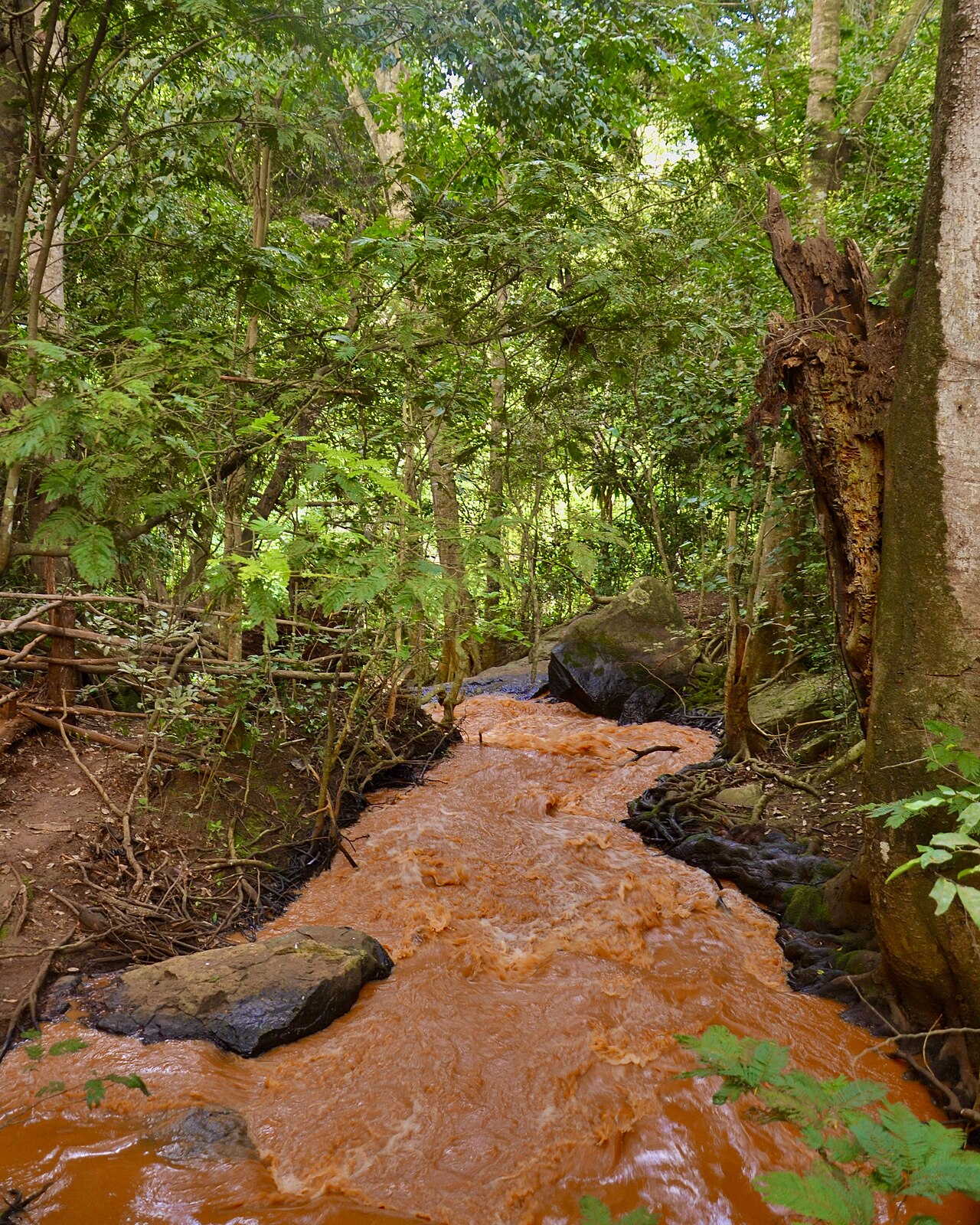
Karura Forest is where Nairobi goes to breathe. One of the largest urban forests in the world, it lies about six kilometres north of the city centre between Limuru Road and Kiambu Road, and it is split into the main forest and the smaller Sigiria block. Inside you find a network of well-kept trails for walking, running and cycling through indigenous trees and old plantations, a waterfall on the Karura River, caves associated with the independence struggle, and a rich population of birds, monkeys and other small wildlife. The forest also has a proud history: in the late 1990s the Nobel Peace Prize winner Wangari Maathai led protests that saved it from being carved up for development. Today it is managed by the Kenya Forest Service together with the Friends of Karura Forest, a community group that runs the trails, security and visitor services. It is a peaceful, inexpensive way to spend a morning, and a good antidote to Nairobi traffic.
How it works: entry is roughly from 6am, with last entry at 5:30pm, and the gates lock at 7pm. Entry and parking fees are small and are paid cashless through eCitizen by M-Pesa, so set this up before you arrive or ask your driver to help. The main entrance is Gate A off Limuru Road, opposite the Belgian Embassy, with parking; Gate C on Kiambu Road suits cyclists, Gate D is a pedestrian entrance off UN Avenue, and Gates E and F lead into the Sigiria section.
What to expect: trails are clearly marked and range from short loops to longer routes for runners and cyclists. The walk to the waterfall is the most popular, and the caves are a short detour from it. Weekends are lively with families and joggers; weekday mornings are quiet and best for birds.
Making the most of it: wear trainers and bring water and a light rain jacket in November, when paths can be muddy after the short rains. Karura is close to Gigiri, Westlands and the Village Market, so it pairs easily with a hotel in either area or with lunch at the mall afterwards.
What to expect
The experience
A self-guided walk, run or cycle on marked forest trails, with the waterfall and caves as the main goals.
Best time
Weekday mornings for quiet trails and birdsong; weekends are busier and more social.
How long
Two to three hours for the waterfall loop at an easy pace.
Tips
Have M-Pesa or eCitizen ready for the small entry fee, and wear shoes that can handle mud after rain.
Quick picks
- Best for
- Active travellers and anyone who needs a calm, green break between safaris.
- Families
- Easy trails, a waterfall and monkeys make a good half day for children of all ages.
- Couples
- A peaceful morning walk followed by brunch in Gigiri or Westlands.
- Pair with
- The Nairobi National Museum, or lunch at the Village Market in Gigiri.
- Time needed
- Two to three hours.
Good questions
What are Karura Forest’s opening hours?+
Entry is from about 6am, with last entry at 5:30pm, and the gates lock at 7pm. Arrive early on weekends for quieter trails.
How do I pay to enter Karura Forest?+
Entry and parking fees are paid cashless through eCitizen by M-Pesa. The fees are small, but cash is not the way to pay.
Which gate is best for Karura Forest?+
Gate A off Limuru Road, opposite the Belgian Embassy, is the main entrance with parking. Gate C on Kiambu Road is popular with cyclists.
Is there a waterfall in Karura Forest?+
Yes, the walk to the waterfall on the Karura River is the forest’s most popular route. The caves are a short detour from it.
Is Karura Forest safe for visitors?+
Yes, the forest is fenced, patrolled and busy with walkers and runners during the day. As anywhere, stay on marked trails and leave before the gates close.