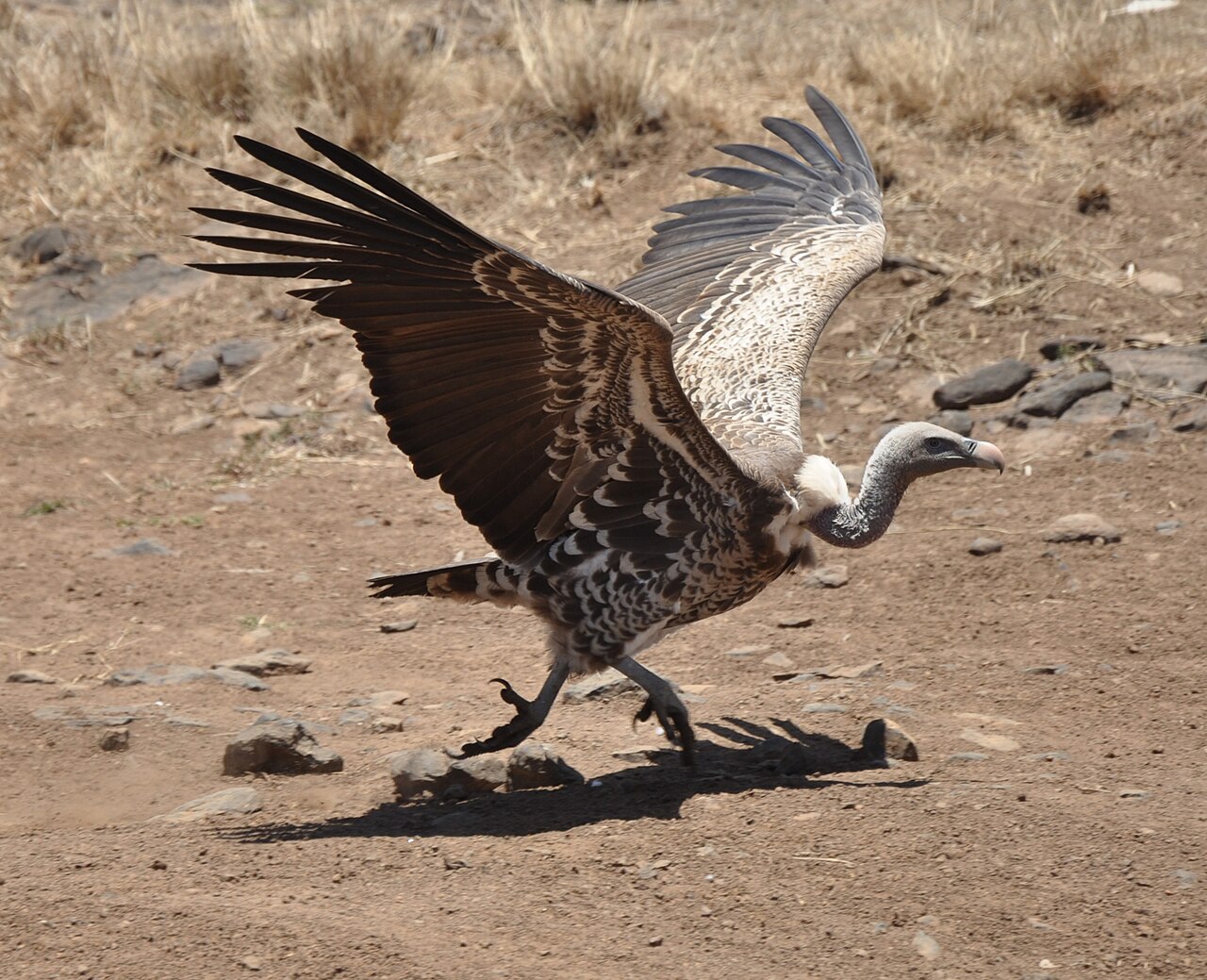
The Nairobi National Museum is the best introduction to Kenya under one roof. Its story begins in 1910, when naturalists of the East Africa and Uganda Natural History Society set up a museum for their collections; the present site on Museum Hill opened on 22 September 1930 as the Coryndon Museum, took the name National Museum of Kenya at independence in 1963, and reopened in June 2008 as the Nairobi National Museum after a major modernisation. Highlights include the Cradle of Humankind gallery, where Kenya’s fossil finds trace the earliest human ancestors and you can handle Stone Age tools; a bird gallery arranging East Africa’s birds by family; the History of Kenya gallery, from the origins of its communities through the colonial period to independence; and Cycles of Life, with traditional objects from across the country. Outside are botanical gardens, and next door the Nairobi Snake Park. It is open every day and makes a perfect rainy-day or arrival-day visit.
How it works: the museum is open from 8:30am to 5:30pm every day of the year, including weekends and public holidays. Tickets are sold at the desk at the main entrance through the cashless eCitizen system, so bring a card or mobile money. The fee is modest, and children and residents pay less. Allow two to three hours for the galleries and the gardens.
Getting there: Museum Hill is about twenty minutes from the Central Business District, just off Museum Hill Road near the Westlands side of town. Taxis and ride-hail apps are the easiest way to reach it, and it is close to hotels in the city centre and Westlands.
Making the most of it: start with the Cradle of Humankind gallery, which explains why Kenya matters to the story of our species, then walk through the History of Kenya gallery for context on everything else you will see. Add the Snake Park if you have children, and finish with a coffee in the gardens. It is an ideal first afternoon after a long flight, or a good choice for a short-rains shower in November.
What to expect
The experience
A self-guided visit to themed galleries on human origins, birds, Kenyan history and culture, with gardens outside.
Best time
Any day from opening time, or as a rainy-afternoon plan during the November short rains.
How long
Two to three hours including the gardens.
Tips
Pay by card or mobile money through eCitizen, and start with the Cradle of Humankind gallery.
Quick picks
- Best for
- Curious travellers who want context on Kenya’s people and past before heading on safari.
- Families
- Hands-on fossils and Stone Age tools, plus the Snake Park next door, keep children engaged.
- Couples
- A relaxed afternoon of galleries and gardens, close to Westlands for dinner afterwards.
- Pair with
- Karura Forest for a walk, or an evening in Westlands.
- Time needed
- Two to three hours.
Good questions
What are the Nairobi National Museum opening hours?+
It is open from 8:30am to 5:30pm every day, including weekends and public holidays. It is open all year round.
Can I pay cash at the Nairobi National Museum?+
No, the National Museums of Kenya sell tickets through the cashless eCitizen system. Bring a card or mobile money to the desk at the main entrance.
What is the best gallery at the Nairobi National Museum?+
The Cradle of Humankind gallery is the highlight, with Kenya’s fossil finds and Stone Age tools you can handle. The History of Kenya gallery is a close second.
Is the Snake Park part of the National Museum?+
The Nairobi Snake Park is a separate National Museums of Kenya site right next door. It is easy to visit both on the same trip.
How long should I spend at the Nairobi National Museum?+
Allow two to three hours for the main galleries and the gardens. Add an hour if you also want to visit the Snake Park.