Kenyan food is one of the most appealing parts of a visit to Nairobi, and a cooking class is the most rewarding way to understand it. Instead of ordering from a menu, you join a local cook in a home kitchen, learn how the dishes are put together and then enjoy the meal you have made around a table. Menus vary, but a class often covers staples such as ugali, the firm maize porridge served with almost every meal, sukuma wiki, the braised collard greens whose name means push the week, and chapati, the soft flatbread rolled and fried on a hot pan. You may also help to prepare a stew of beans and maize, a pilau fragrant with spices, or nyama choma, the grilled meat that Kenyans love to share with friends. Hosts talk about family traditions, regional differences between coastal, highland and lakeside cooking, and the role of food in celebrations, so the lesson is as much about culture as technique. Because classes take place in small groups or privately, you can ask questions and take your time. The result is a fun, informal evening or lunch that connects you with local people in a way that restaurants rarely do, and you take home recipes you can try again at home. Vegetarians are easily catered for, since many Kenyan dishes are vegetable-based.
How it works
You arrive at the host’s home or kitchen, usually in the late morning or late afternoon, and begin with introductions and a look at the ingredients. Some classes include a visit to a local market to shop for fresh produce, which is a highlight for food lovers. You then prepare three or four dishes under the cook’s guidance and sit down to eat together. Check the start time, location and whether a market visit or pickup is included.
What you learn
Ugali is easy to eat but takes a little practice to cook smoothly, and shaping chapati is a skill that makes everyone laugh. Spices, onions and tomatoes form the base of most stews, and fresh coriander and lemon add brightness. You will learn how to adjust seasoning, and the host will explain which ingredients are available in your home country as substitutes.
Dietary needs
Tell the host in advance about vegetarian, vegan, gluten-free or allergy requirements. Most hosts can adapt the menu, and traditional Kenyan cooking has plenty of plant-based dishes.
Making the most of it
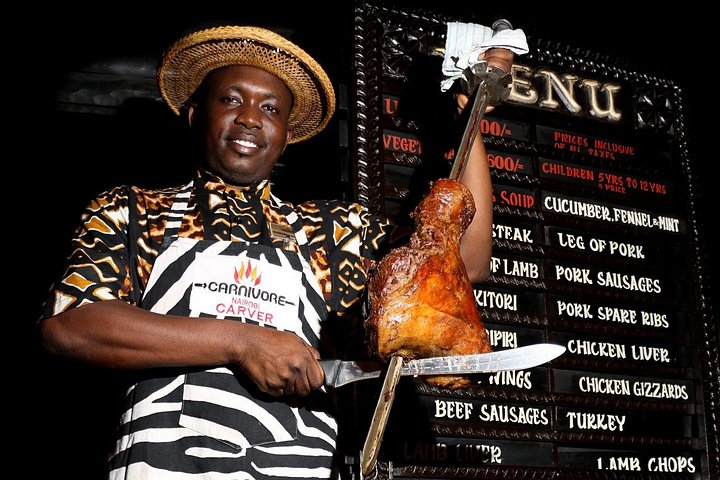
Arrive hungry, wear clothes that can handle a few splashes, and bring a notebook or phone to record tips. Ask about local drinks, such as fresh passion fruit juice or Kenyan tea, which is brewed with milk and spices. Pair the class with the food tour or a visit to the Carnivore for a full introduction to the cuisine.
Planning notes
Arrive with an open mind and a willingness to get your hands a little messy, because the best classes are interactive. If you have a particular dish you would like to learn, such as mandazi or samosas, ask the host in advance. Most kitchens are family homes, so remove your shoes if asked, and bring a small gift, such as fruit or sweets, if you wish. A short walk or ride-hail trip from your hotel is usually all that is needed.
What to expect
The experience
A hands-on cooking class with a local host, followed by a shared meal of the dishes you have prepared.
Best time
Late morning for lunch or late afternoon for dinner.
How long
Three to four hours.
Tips
Mention dietary needs in advance, arrive hungry and ask whether a market visit is included.
Quick picks
- Best for
- Food lovers who want a hands-on cultural experience and recipes to take home.
- Families
- Children enjoy rolling chapati and stirring the pots under supervision.
- Couples
- A warm, social evening that ends with a meal you made together.
- Pair with
- The Nairobi food tour, or a coffee or tea farm visit.
- Time needed
- A half day or an evening.
Good questions
What dishes will I cook?+
Menus vary, but classes often include ugali, sukuma wiki, chapati, a stew and sometimes pilau or grilled meat.
Can vegetarians join?+
Yes. Many Kenyan dishes are vegetable-based, and hosts can adapt the menu if you tell them in advance.
Is a market visit included?+
Some classes begin with a visit to a local market. Check the details when you book.
Do I need cooking skills?+
No. The classes are designed for all levels, and the host guides each step.
Will I get the recipes?+
Hosts usually share tips and recipes, and you can take notes or photos as you cook.