Kenyan coffee has a reputation among coffee lovers for bright acidity and a fruity, blackcurrant-like flavour, and a farm tour near Nairobi lets you trace that cup back to the tree. Coffee has been grown in the highlands around the capital since the early twentieth century, and the area north and east of the city, where red volcanic soil, altitude and two rainy seasons suit the crop, is still part of the country’s coffee heartland. The tour we link, Coffee Farm Factory Tour From Nairobi, combines a visit to a working farm with a look at how the beans are processed. On a typical visit a guide explains how the bushes are grown, how ripe red cherries are picked by hand, and how the fruit is pulped, fermented, washed and dried on raised beds before the green beans are sorted by size and density. Many Kenyan coffees are graded by bean size, which is where labels such as AA come from, and the best lots are sold at weekly auctions in Nairobi. The visit usually ends with roasting, grinding and a tasting, so you can compare brews and learn to taste for the citrus, berry and wine notes that make Kenyan coffee distinctive.
How it works
Check the tour details for the pickup point, the farm visited, the length of the tour and whether lunch or a tasting is included, since arrangements differ between operators and farms. Most tours depart in the morning and return by early afternoon, with a drive of around an hour each way through the highlands north of Nairobi.
What you will see
Depending on the season, the bushes carry white blossom, green fruit or ripe red cherries. The main harvest generally falls in the cooler months towards the end of the year, with a smaller crop in the middle of the year, so the experience of picking cherries is most likely between roughly October and December. In other months you will still see the processing and the roasting. Farmers and factory staff often explain the cooperative system, in which smallholders deliver cherries to a shared mill.
Tasting tips
Try the coffee black first to taste the acidity and fruit, then add milk if you like. Ask about the difference between washed and natural processing, and how altitude affects flavour. Most farms sell roasted beans, which make an easy, lightweight souvenir, and many will grind them for you.
Making the most of it
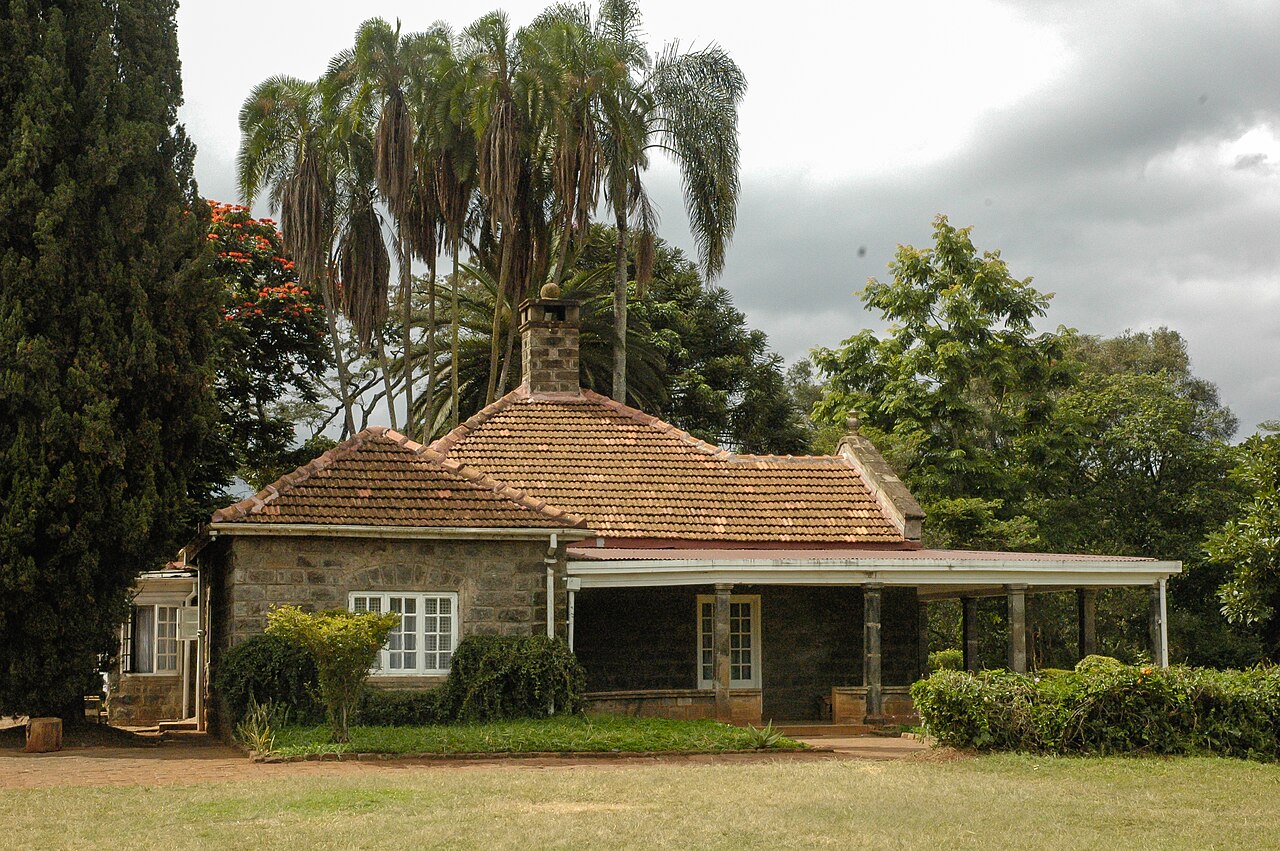
Wear closed shoes for muddy paths and a hat for the sun, and bring a light waterproof during the rainy months. The visit is relaxed and suitable for all ages, although small children may tire of the factory explanation. It combines nicely with Kiambethu Tea Farm for a day of Kenya’s two famous drinks, or with the Karen Blixen Museum, since the farm that inspired Out of Africa grew coffee in the same highlands.
Who it suits
Coffee lovers, couples, foodies and anyone who likes to see how everyday products are made. It is a calm, educational day between busier wildlife sights, and it gives you a real understanding of why Kenyan coffee commands such high prices around the world. Ask the guide to explain how a cup is scored by professional tasters, since the vocabulary will improve every coffee you drink afterwards.
What to expect
The experience
A guided visit to a coffee farm and processing factory, ending with roasting and a tasting.
Best time
October to December for cherry picking, though the processing and tasting run all year.
How long
About four to five hours including the drive from Nairobi.
Tips
Wear closed shoes, bring a hat or light waterproof, and buy roasted beans at the farm as souvenirs.
Quick picks
- Best for
- Coffee lovers and curious travellers who want to see how Kenyan coffee is made.
- Families
- A relaxed outdoor visit, though young children may lose interest during the factory talk.
- Couples
- A pleasant, unhurried half day that ends with a tasting.
- Pair with
- Kiambethu Tea Farm, or the Karen Blixen Museum and its coffee-growing history.
- Time needed
- A half day, about four to five hours.
Good questions
Why is Kenyan coffee special?+
Grown at altitude in rich volcanic soil, it is known for bright acidity and a fruity, berry-like flavour that coffee specialists prize.
What does AA mean on Kenyan coffee?+
It is a grade based on bean size, with AA the largest. Size is not the same as flavour, but it is a common way to sort and sell Kenyan lots.
When is the coffee harvest in Kenya?+
The main crop is usually picked in the cooler months towards the end of the year, with a smaller crop in the middle of the year, so cherry picking is most likely from October to December.
Can I buy coffee at the farm?+
Most farms sell roasted beans, and many will grind them for you. It is an easy, light souvenir to carry home.
How far are the coffee farms from Nairobi?+
The farms on the usual tour routes are roughly an hour’s drive from the city centre, depending on traffic.