Mount Kenya is the second-highest mountain in Africa, rising to 5,199 metres at the summit of Batian, and it is one of the country’s great natural landmarks. The extinct volcano is a UNESCO World Heritage Site, and its slopes move from farmland and bamboo forest through moorland to rocky peaks and small glaciers that sit almost on the Equator. Most visitors on a day trip from Nairobi are not climbing to the top, which takes several days, but exploring the lower slopes and enjoying the views. A typical tour drives north through central Kenya’s coffee and tea country, passes through Nyeri and arrives in Nanyuki, where a signpost marks the Equator, a favourite stop for photographs and for a demonstration of how water drains differently on either side of the line. From there the route heads to the national park gate for a guided nature walk through the forest belt, where you may hear colobus monkeys, spot sunbirds and see giant lobelias and heather as the altitude rises. Lunch is usually taken at a lodge or restaurant with views of the peaks when the clouds clear, which is most likely in the early morning. The tour gives you a feel for the mountain and a break from the heat and noise of the city, and it is a good choice for travellers who love landscapes.
How it works
The tour leaves Nairobi in the early morning and drives for about three to four hours to the Mount Kenya region. After the Equator stop, you continue to the national park for a guided walk of an hour or two, followed by lunch and a return drive in the afternoon. Park fees may or may not be included, so ask when you book, and carry your passport or ID.
Weather and views
The summit is often hidden in cloud, especially from mid-morning, so do not be disappointed if you see only the lower slopes. Mornings and the drier months of January and February and July to September give the best chance of clear views. The altitude at the park gate is high enough that it can be chilly and wet, so pack layers and a waterproof jacket.
What the walk offers
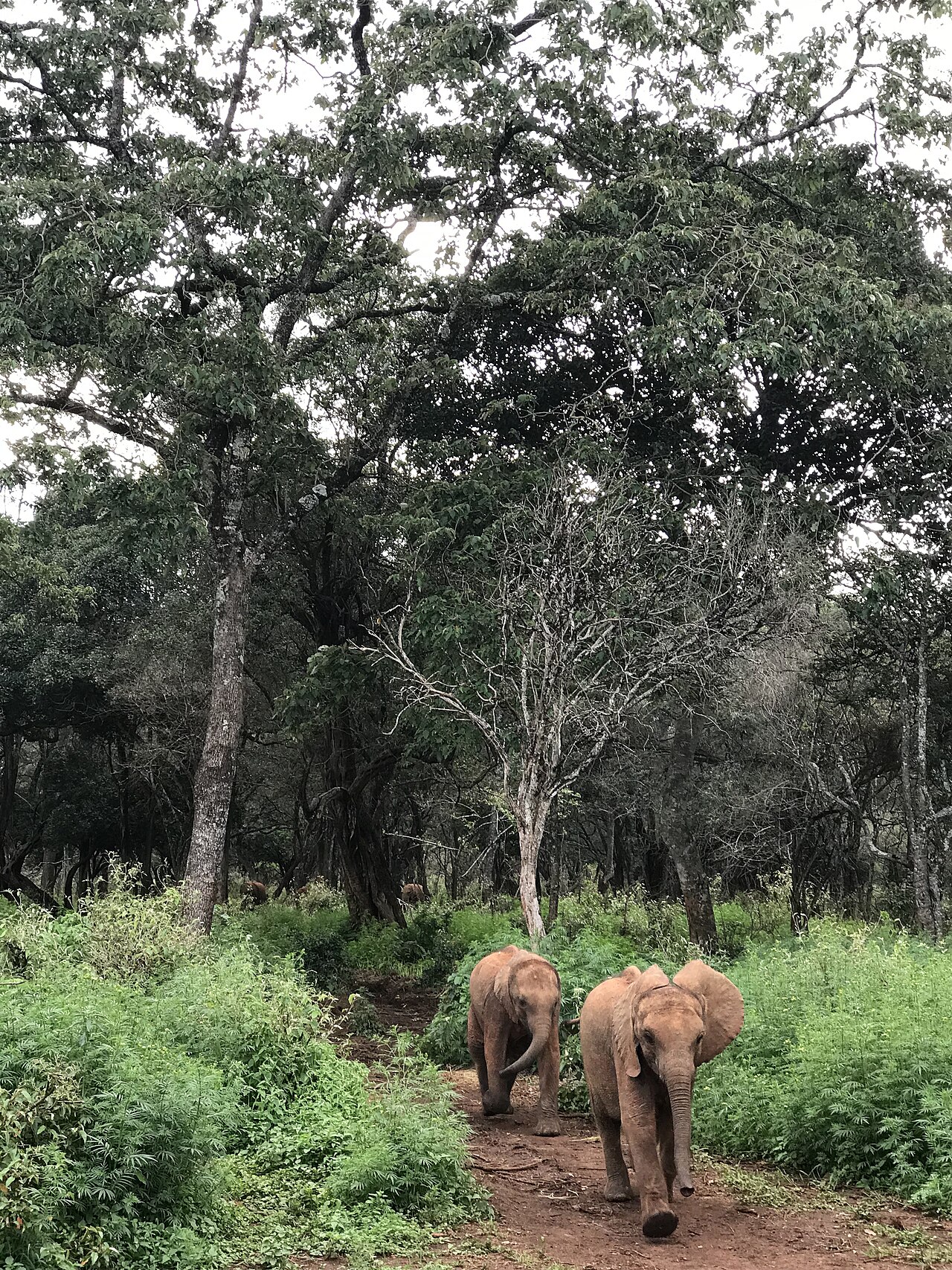
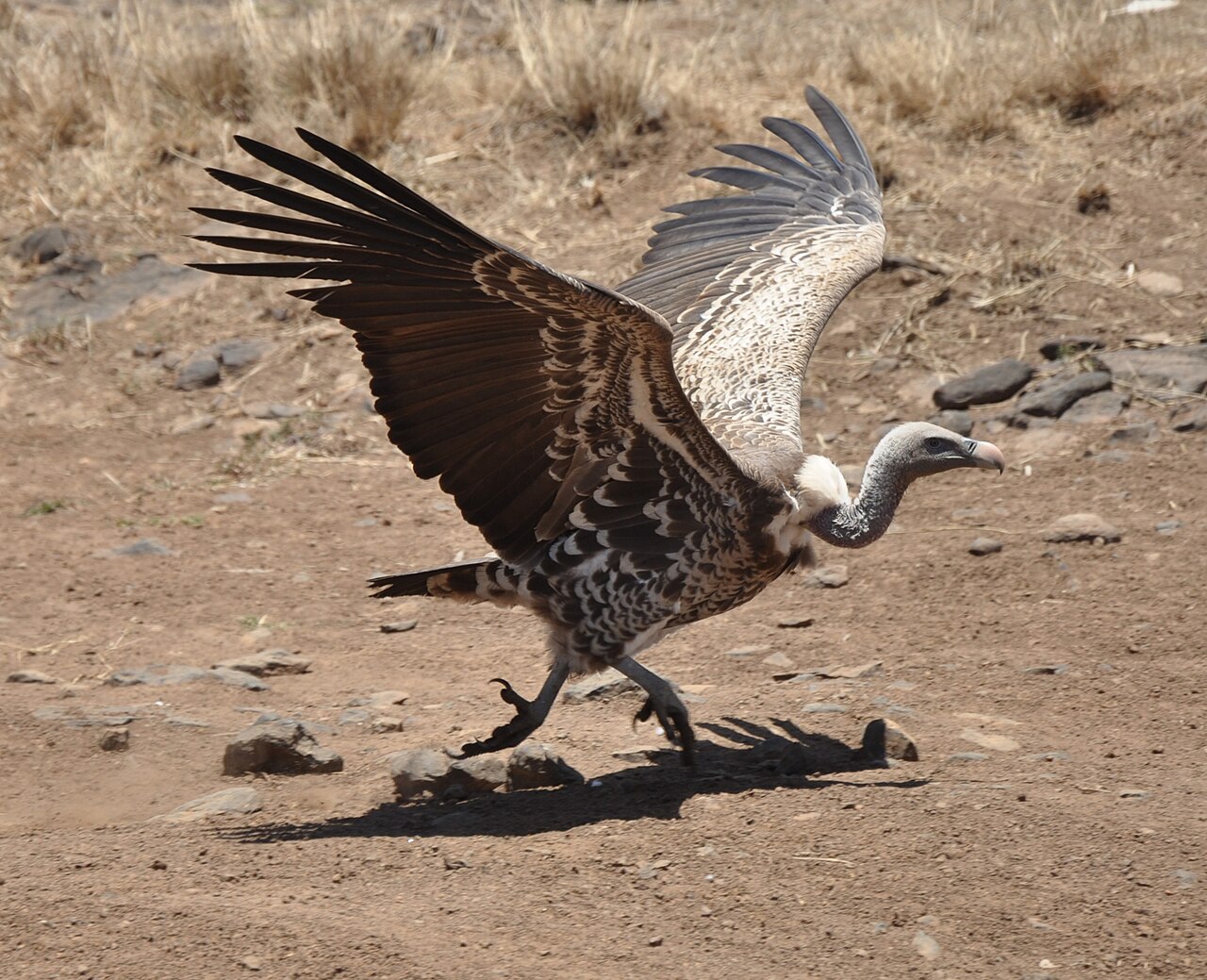
The forest belt is rich in birds, and sometimes in elephants or buffalo, which is why guides carry out walks with care. Do not expect to cover the high moorland on a day trip. For that you would need a multi-day climb on routes such as Sirimon or Chogoria, which operators also arrange.
Making the most of it
Bring a camera with a zoom lens, binoculars and warm clothes. Combine the day with Ol Pejeta or the Ngare Ndare Forest if you plan an overnight stay in Nanyuki, which breaks up the long drive and gives you more time on the mountain.
Planning notes
The drive is long, so decide in advance whether you prefer to be collected early from your hotel or to stay overnight in Nanyuki and do the mountain the next day. Bring cash for small purchases at the Equator stop, where local sellers offer crafts. If you are interested in climbing, ask the operator about multi-day routes such as Sirimon, Naro Moru or Chogoria, and note that altitude sickness can affect hikers above three thousand metres.
What to expect
The experience
A full-day guided trip from Nairobi to the Mount Kenya foothills with an Equator stop, forest walk and lunch.
Best time
Early morning and dry months for the clearest views of the peaks.
How long
About twelve hours including the drive.
Tips
Pack layers and a waterproof jacket, carry your ID and ask whether park fees are included.
Quick picks
- Best for
- Landscape lovers who want to see Africa’s second-highest mountain without a multi-day climb.
- Families
- Good for older children, with the Equator demonstration as a highlight.
- Couples
- Mountain air, forest walks and a scenic lunch make an easy romantic day out.
- Pair with
- Ol Pejeta Conservancy or the Ngare Ndare forest on a longer northern trip.
- Time needed
- One full day.
Good questions
Can I climb Mount Kenya in a day?+
No. Reaching the main peaks takes several days. A day trip covers the lower slopes, forest and views.
How high is Mount Kenya?+
The highest summit, Batian, is 5,199 metres, making it the second-highest mountain in Africa.
Where is the Equator crossing?+
The sign is at Nanyuki, on the way to the mountain, and tours usually stop there for photographs.
Will I see the summit?+
Clouds often cover the peaks by mid-morning, so early starts and dry months give the best chance.
What should I pack?+
Warm layers, a waterproof jacket, sturdy shoes, binoculars and your passport or ID.