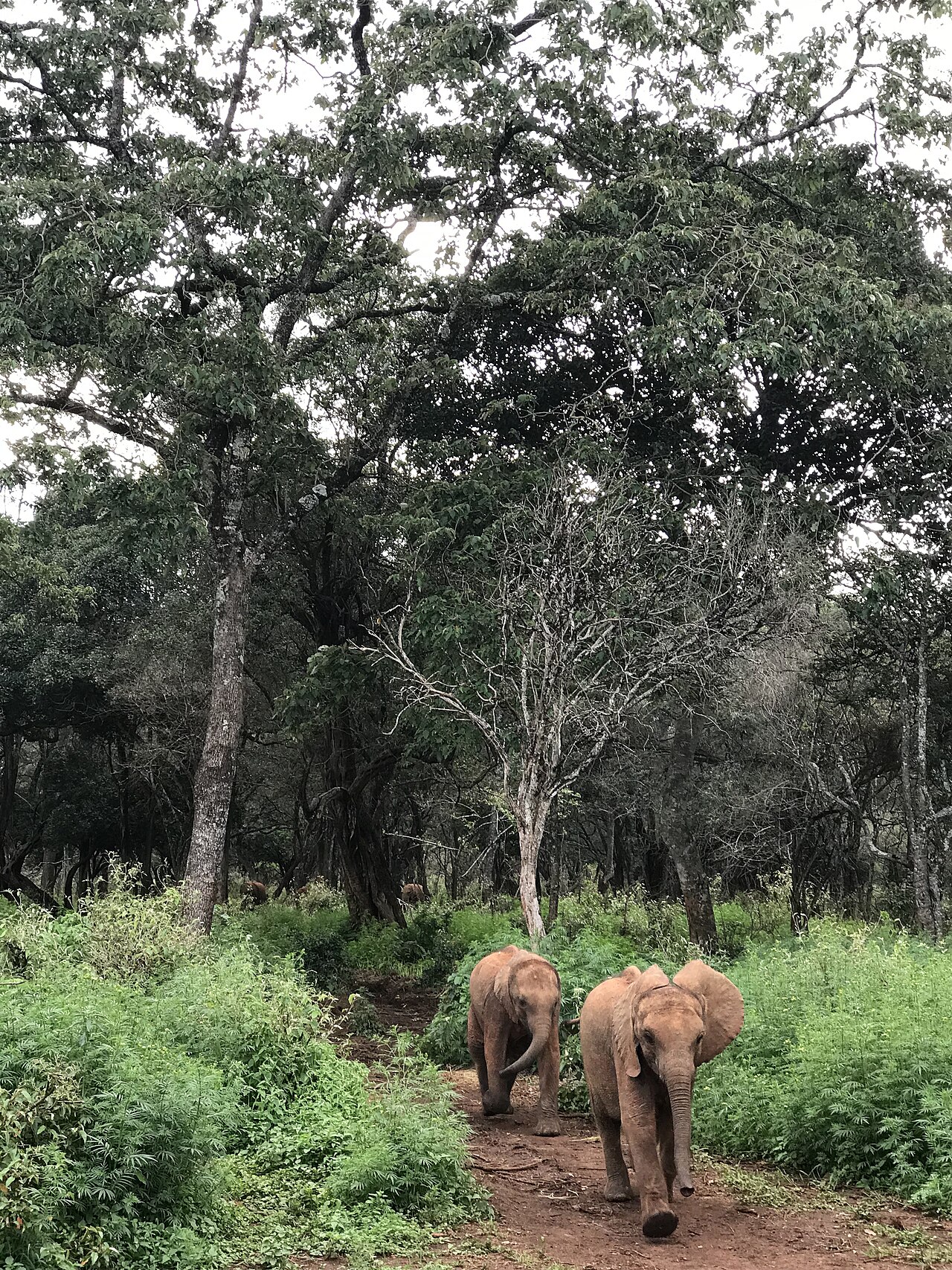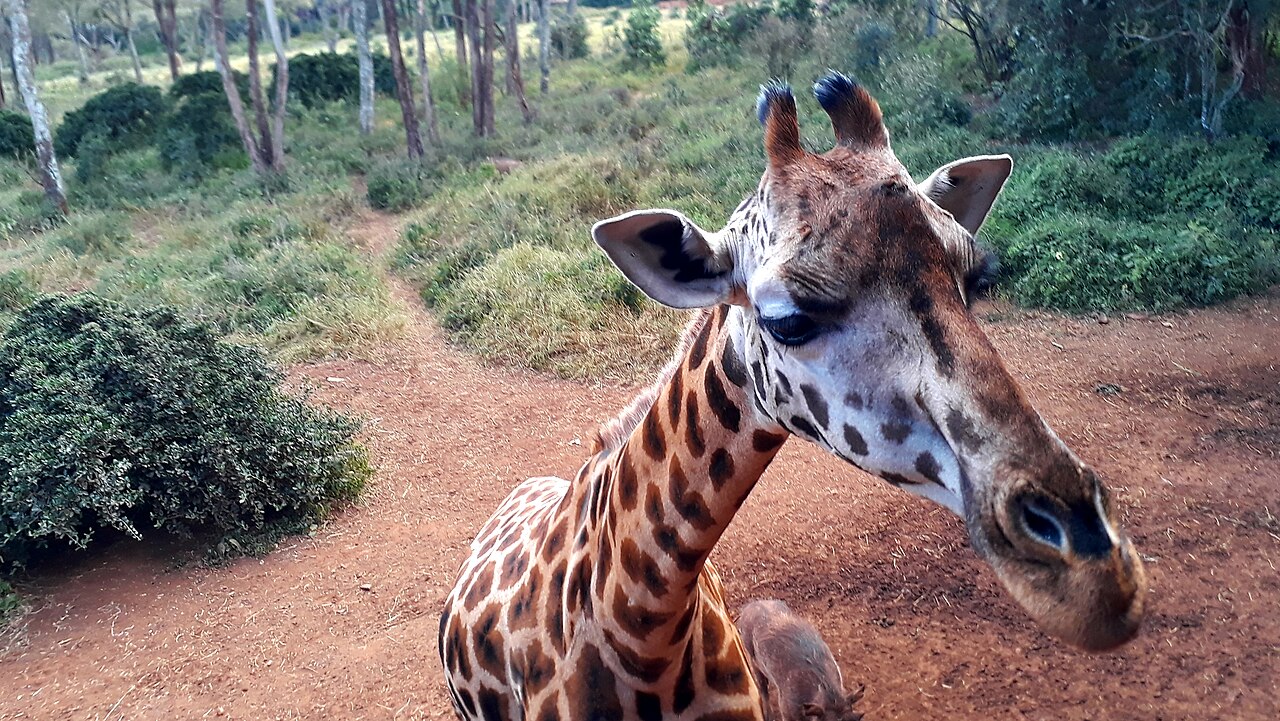
Nairobi is often treated as a place to pass through on the way to a safari, and that is a mistake. Few cities anywhere let you watch rhinos at dawn, spend an hour with orphaned baby elephants before lunch and feed giraffes in the afternoon. A little planning turns a transit stop into one of the best parts of your trip.
How many days
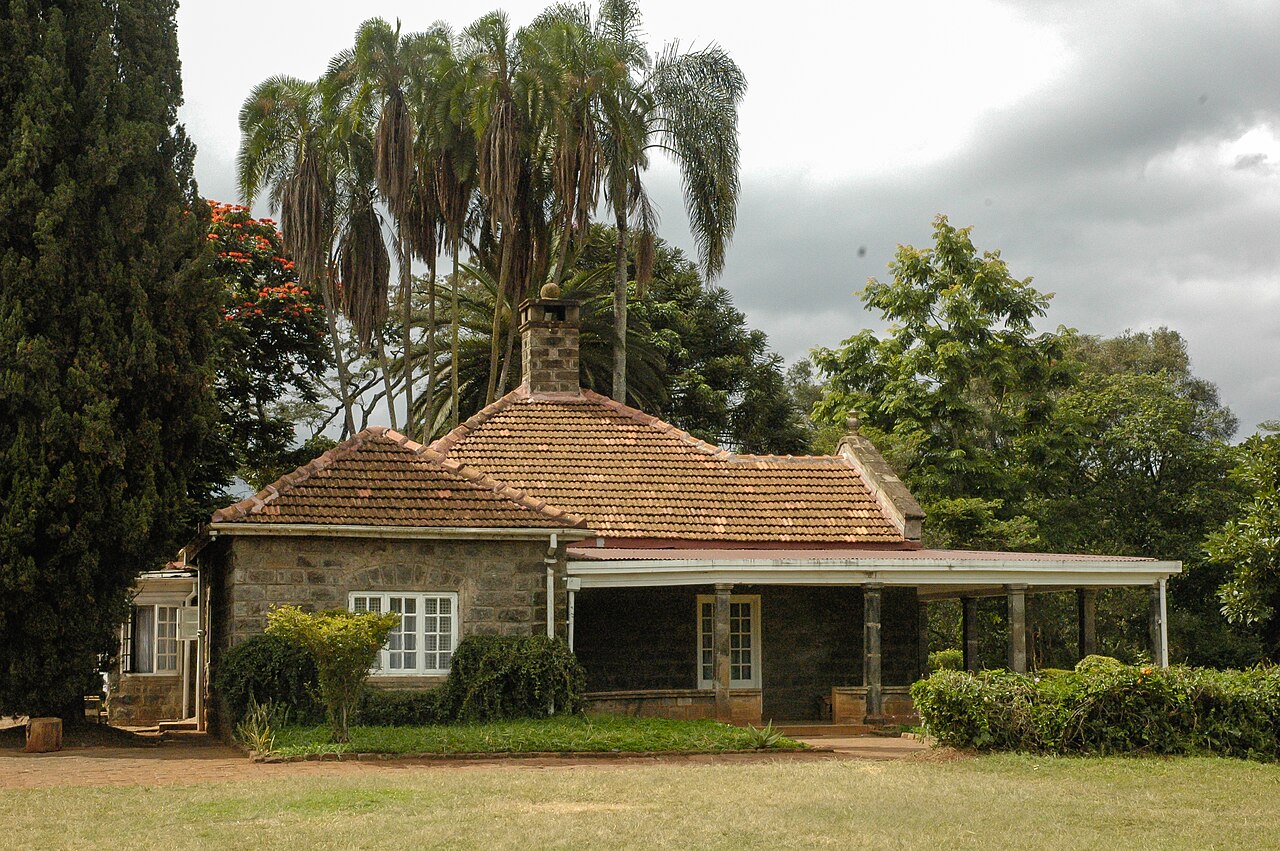
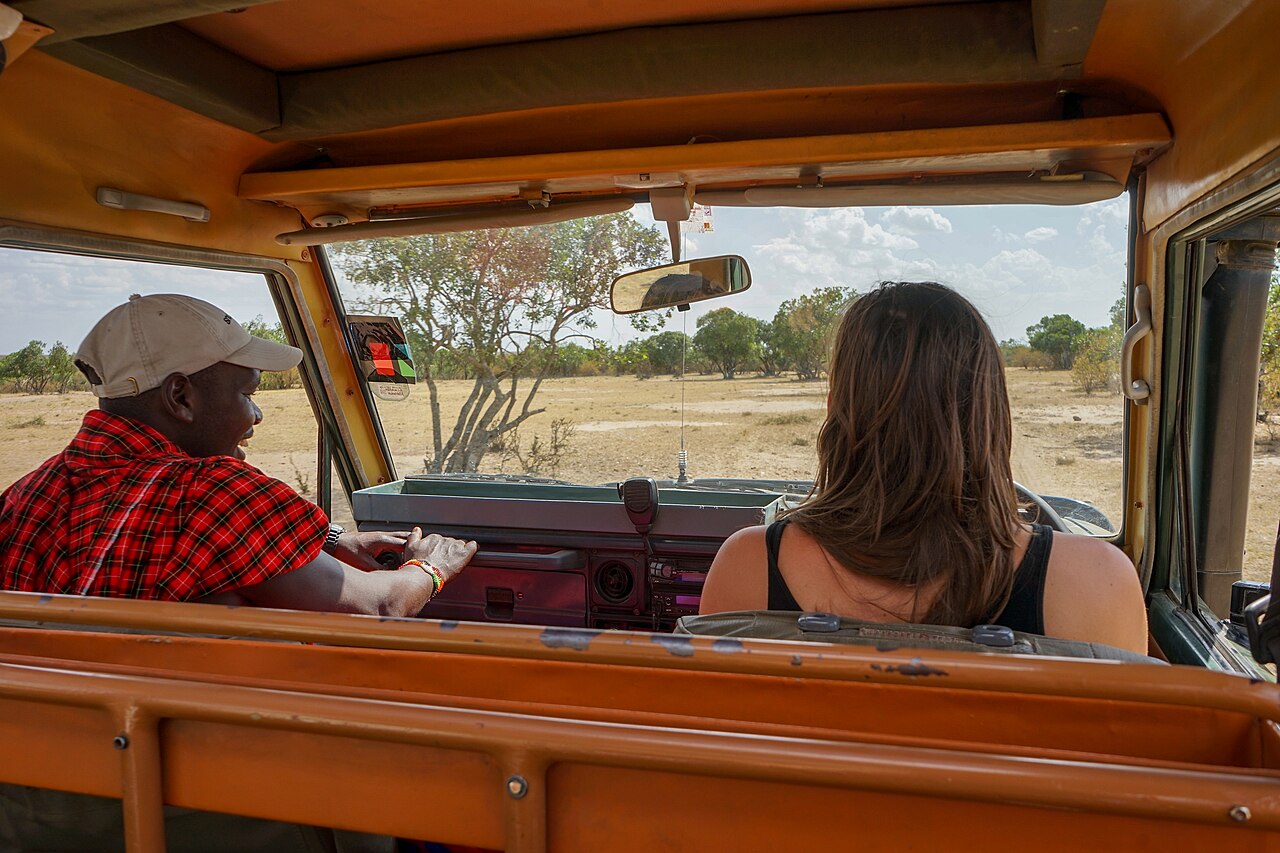
Give the city itself two full days. Day one covers the wildlife sights in the south: a morning game drive in Nairobi National Park, the Sheldrick elephant nursery at 11am and the Giraffe Centre in the afternoon. Day two is for history and culture: the Karen Blixen Museum, the Nairobi National Museum and a walk in Karura Forest. Then add the safaris: one long day for Amboseli or Lake Nakuru, one for Lake Naivasha and Hell’s Gate, and at least three days for the Maasai Mara. A week lets you combine the city with the Mara and one Rift Valley lake.
What to book ahead
The one thing you cannot leave to the last minute is the Sheldrick Wildlife Trust nursery visit. It runs from 11am to noon every day except Christmas Day, it is booked by email directly with the Trust up to three months ahead, and same-day visits are not possible. The Trust does not accept bookings made through platforms such as Viator or GetYourGuide, so book it yourself or make sure your guide gives you the official confirmation email. Safaris to the Maasai Mara and good-value group tours to Amboseli and Lake Nakuru should also be booked a few weeks ahead, especially in the July to October migration season and over Christmas.
Money and the cashless rule
Much of Nairobi now runs without cash. Kenya Wildlife Service park fees are paid online through the government’s eCitizen system, and since October 2025 non-resident adults pay 80 US dollars for Nairobi National Park, 90 dollars for Amboseli and Lake Nakuru and 50 dollars for Hell’s Gate. The National Museums, the Giraffe Centre and Karura Forest also take card or M-Pesa rather than notes. The exception is the Sheldrick nursery, where the entry donation is paid in cash. Tours that include park fees, like the national park, Amboseli and Lake Nakuru tours in this guide, save a lot of hassle.
Getting around
Traffic is the main challenge. Ride-hail apps such as Uber and Bolt are cheap, reliable and the easiest way to move between areas; avoid walking after dark. The Nairobi Expressway links the airport with Westlands and the city centre and can save a lot of time. For the national park and the Lang’ata sights, a tour with hotel pickup is simpler than arranging park permits and drivers yourself. Allow plenty of time for any journey at rush hour.
Where the headline sights fit
The wildlife sights cluster in the south-west: Nairobi National Park, the Sheldrick nursery inside it, the Giraffe Centre in Lang’ata and the Karen Blixen Museum in Karen are all close together, so do them on the same day. The National Museum is on Museum Hill near the centre, and Karura Forest is in the north near Gigiri and Westlands. The big safaris leave from Nairobi: the Mara is around six hours west, Naivasha about two hours north-west, Nakuru beyond it and Amboseli to the south-east towards Kilimanjaro.
When to go
The long dry season from July to October is peak safari time and brings the Great Migration to the Mara. January and February are also dry and good. November falls in the short rains, with green landscapes, fewer visitors and showers that usually pass quickly, while the Maasai Mara’s higher daily reserve fee still applies until the end of December. April and May are the wettest months.
Before you fly
Check Kenya’s current entry rules well before you travel, since most visitors need to apply online for an electronic travel authorisation. Pack layers, because Nairobi sits high and mornings are cool, and bring binoculars for the game drives.