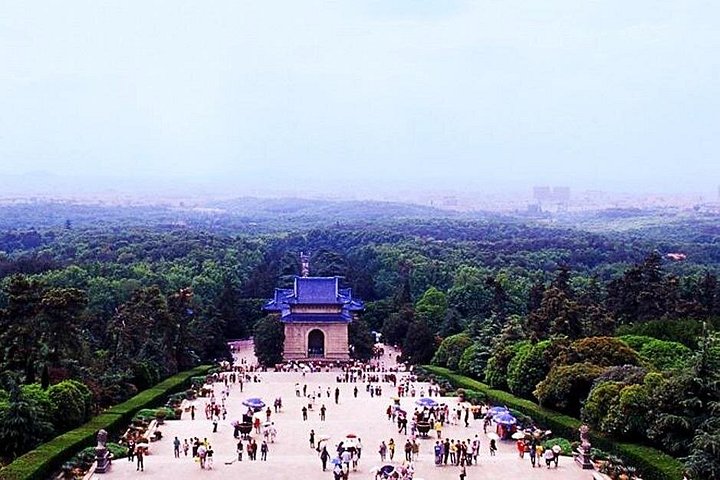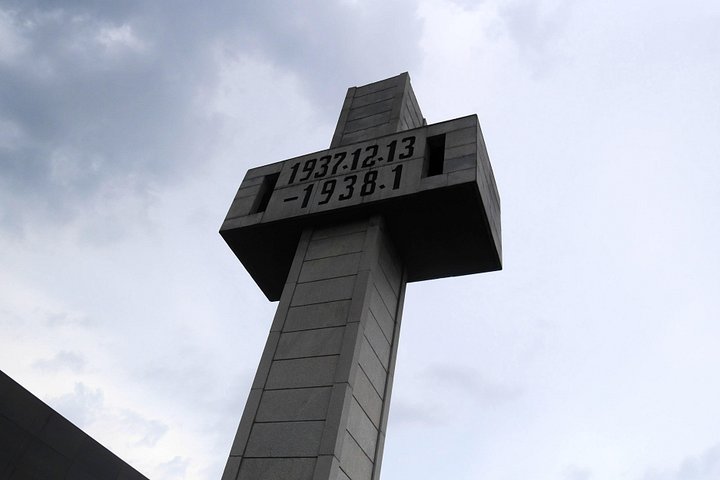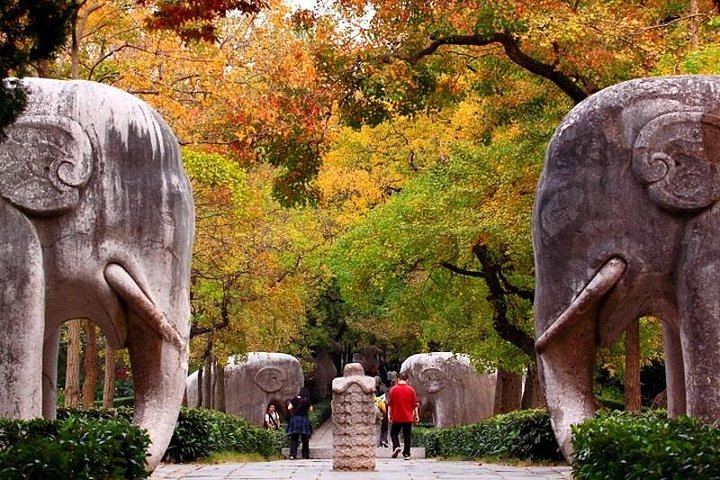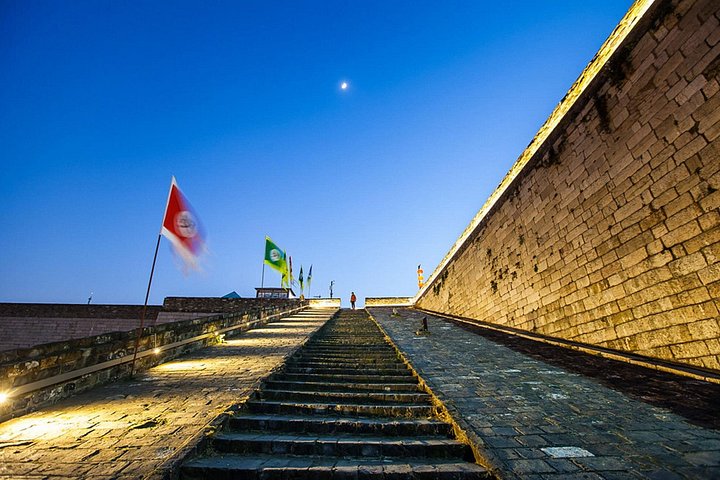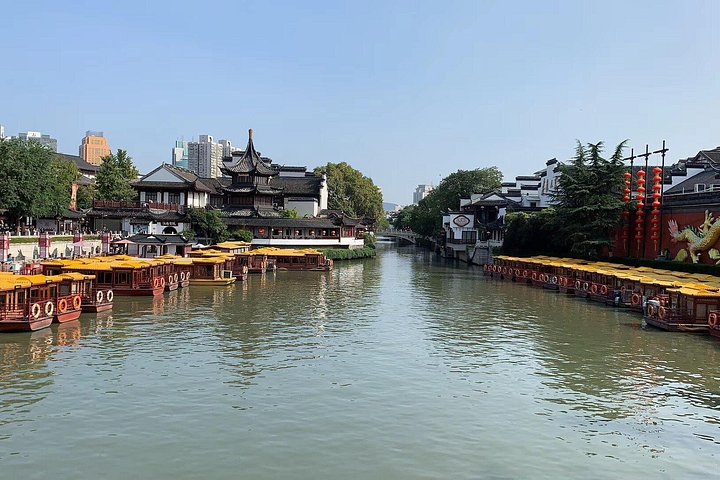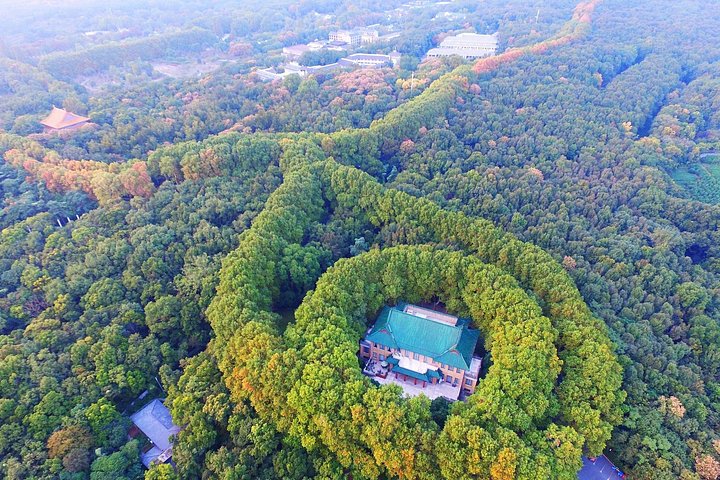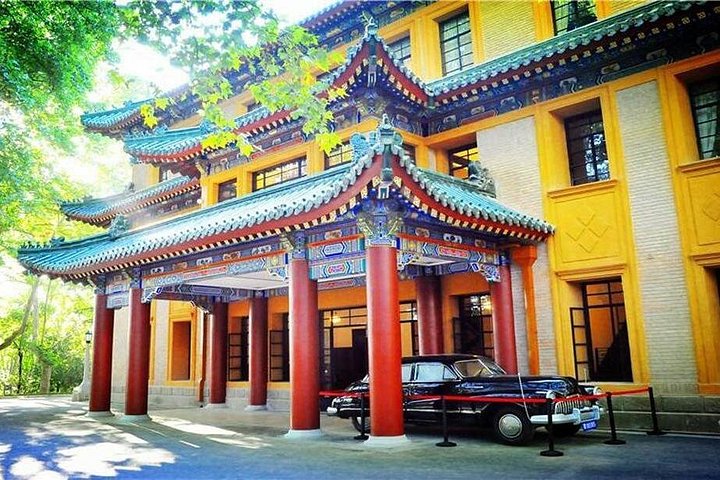
Between 1912 and 1949, Nanjing was repeatedly the capital of the Republic of China, and the city still carries the architecture, avenues and memories of that turbulent era. It was here that Sun Yat-sen was sworn in as provisional president in January 1912, and here that the Nationalist government set up its capital in 1927 and rebuilt the city with wide boulevards, government buildings and a grand mausoleum. The Presidential Palace is the central sight of this story. Its grounds hold buildings from several periods, including a Qing-era governor's office, parts of the garden associated with the earlier Taiping rebel capital and the administrative halls where Republic-era governments worked. Visiting the complex is like walking through a layered history book, from imperial courtyards to western-style offices. Beyond the palace, Republic-era Nanjing is visible in quiet streets lined with sycamore trees, in the villas of Meiyuan Xincun and in the tree-shaded avenues around the Sun Yat-sen Mausoleum. A guided day on this theme links these places and explains the political upheavals, from the founding of the republic through war and revolution. The linked tour includes lunch, and as a private arrangement it can be tailored to focus on architecture, politics or daily life. It suits history enthusiasts, readers of modern Chinese history and those who want to understand why Nanjing matters in the story of modern China.
How to visit
The linked product is a private day tour on the Republic of China era with lunch, so check the details for the meeting point, the sights included and any entrance fees. Itineraries vary between operators, but commonly include the Presidential Palace area, Republic-era streets and a mausoleum or memorial, and a good guide will adapt the route to your interests.
What to expect
A mixture of walking through courtyards, short drives between sights and time inside museums and former offices. Exhibits in the palace explain the changing governments that occupied it, with photographs, documents and period furniture. Sycamore-lined streets with brick villas provide a more atmospheric counterpoint. Lunch is usually at a local restaurant. Because the topic touches on politics and war, a knowledgeable guide can provide balance and context.
How to get the most from it: read a short history of the Republic before you go, as names and dates come thick and fast. Visit on a weekday for fewer crowds, and check weekly closing days, as museums often close one day a week. In autumn the sycamores turn golden and make the streets especially photogenic.
Wear comfortable shoes and carry water. This tour pairs well with the Sun Yat-sen Mausoleum and the Nanjing Massacre Memorial Hall, which together give a rounded view of the period. If you only have one day for the theme, ask the guide to prioritise the palace and a quiet sycamore avenue.
Planning note
The political history of the Republic period is complex and sometimes contested, so ask your guide to give balanced context and to respond to your questions. Allow time for the quieter stops, such as a villa street or a small museum, which often leave a stronger impression than the large sights. Check closing days for each museum in advance.
What to expect
The experience
A private themed day with a guide, covering the Presidential Palace area and Republic-era streets, with lunch.
Best time
Weekdays; autumn for golden sycamores.
How long
A full day.
Tips
Read a short history first, check museum closing days and wear comfortable shoes.
Quick picks
- Best for
- History enthusiasts and readers of modern Chinese history.
- Families
- Better for older children and teenagers with an interest in history.
- Couples
- Quiet avenues and villas make for atmospheric walking.
- Pair with
- Sun Yat-sen Mausoleum and the Nanjing Massacre Memorial Hall.
- Time needed
- A full day.
Good questions
Why was Nanjing important in the Republic era?+
It was the capital of the Republic of China at several points between 1912 and 1949, and the site of Sun Yat-sen's inauguration.
What is the Presidential Palace?+
It is a complex of historic buildings and gardens that served as government offices under several regimes.
Does the tour include lunch?+
The linked product includes lunch. Check the details for what is covered.
Is it suitable for children?+
It suits older children and teenagers who enjoy history. Younger children may find it long.
When are museums closed?+
Many museums close one day a week, often on Mondays. Ask your guide to confirm.