Nanjing is one of China's great food cities, a place where the Jiangsu tradition of fresh ingredients, careful knife work and balanced flavours is presented in everyday snacks and refined banquets alike. The cooking is lighter and slightly sweeter than in Sichuan or Hunan, and it relies heavily on duck, river fish, tofu, seasonal vegetables and delicate soups. For a visitor, eating well here is easy, because the city is full of small restaurants with picture menus and busy street stalls that are friendly to beginners.
Salted duck
The signature dish of Nanjing is salted duck, known locally as yanshuiya. The duck is cured in brine and spices, then simmered or steamed until it is tender and pale, and it is served cold in thin slices with a delicate savoury flavour. It appears on menus everywhere, from market counters to banquet tables. Try it with a bowl of rice or noodles, and look for a busy shop where the ducks are freshly prepared.
Duck blood and vermicelli soup
Another local favourite is a clear duck broth with glass noodles, tofu, duck blood curd and sometimes duck offal. It sounds adventurous but tastes clean and comforting, often with a sprinkle of coriander and pepper. Locals eat it for breakfast or lunch, and the stalls around the Confucius Temple are good places to try it. If you prefer a milder version, ask for the soup without offal.
Dumplings, buns and pancakes
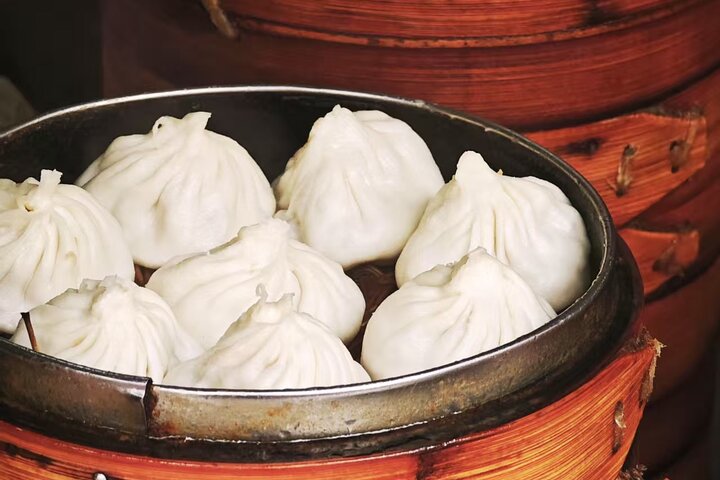
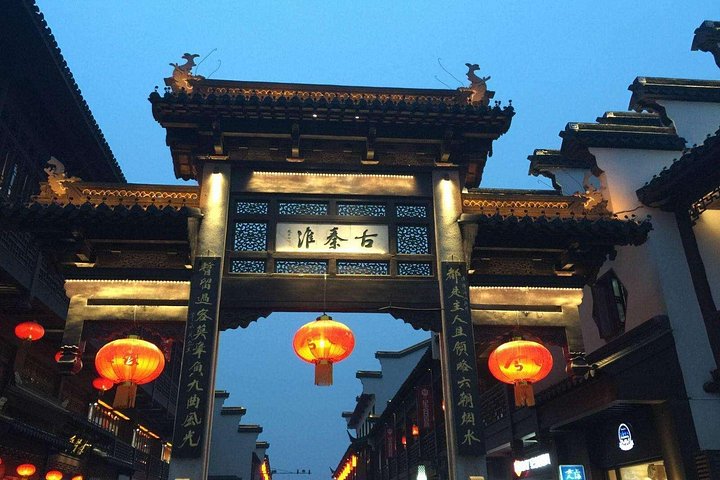
Soup dumplings and steamed buns are available everywhere, and many shops fry beef pot-stickers until the bases are golden and crisp. Sesame pancakes, scallion pancakes and fried dough sticks fill the breakfast stalls, while small pastries and rice cakes are sold throughout the day. The Qinhuai area is known for its set of traditional snacks, often sampled at teahouses and food streets. A guided food tour introduces many of these in one outing.
Seasonal eating
The Nanjing table follows the calendar. Spring brings bamboo shoots, fresh greens and delicate river fish. Summer is a time for cold noodles and crayfish, served in garlic or chilli sauces. Autumn is the season of osmanthus, whose sweet blossoms flavour cakes, tea and sticky rice, and of freshwater crab. Winter is the time for hot pots, braised dishes and roasted sweet potatoes. Ask your guide or hotel what is in season, and order the dishes that locals are eating.
Tea and drinks
Tea is served with almost every meal, and teahouses are a pleasant place to rest after sightseeing. Green tea is the usual choice in the Yangtze region, and a pot refilled with hot water can last an hour or more. Beer is cheap and widely available, and local liquor is strong, so sip carefully if offered. Sweet osmanthus drinks and plum drinks are popular on hot days. Tap water is not generally drunk, so buy bottled water.
Where to eat
The Confucius Temple area is the most convenient place to sample many snacks at once, though it is touristy, and the best stalls are often in the side lanes. Xinjiekou and the surrounding malls have larger restaurants and air-conditioned food courts. Neighbourhood canteens and small noodle shops, often a short walk from the main streets, offer the most local flavours and low prices. Look for busy places with a high turnover and a queue of locals.
How to order
Many restaurants have picture menus or ordering by mobile phone using a QR code. A translation app can read the menu through your camera. Share dishes among the table and order a mix of cold, hot, soup and staple items. Tell staff about allergies or dietary restrictions in advance, and note that vegetarian options may include hidden meat stock. Halal restaurants are available, especially near mosques and in some neighbourhoods.
Eating on a tour
A food tour, a street food walk or a river cruise with dinner is a good way to try many dishes safely and to learn how to order. Tell the operator about dietary needs when you book. After a tour, you can return on your own to the places you liked.
Etiquette and tips
Use chopsticks, avoid sticking them upright in rice and place bones on the table or in the provided dish. Slurping soup is acceptable, and splitting the bill is less common than one person paying. Tipping is not expected. Carry hand sanitiser or wipes, as small stalls may not have sinks, and choose busy places with fresh food. Mobile payment is the norm, so set it up before you go or carry cash.