Nanjing has four distinct seasons, and the right time to visit depends on what you want to see and how you handle heat, cold and crowds. The city lies on the lower Yangtze, with a humid subtropical climate that is hot and sticky in summer and cold and damp in winter. Spring and autumn are the sweet spots, but each season has its own appeal.
Spring (March to May)
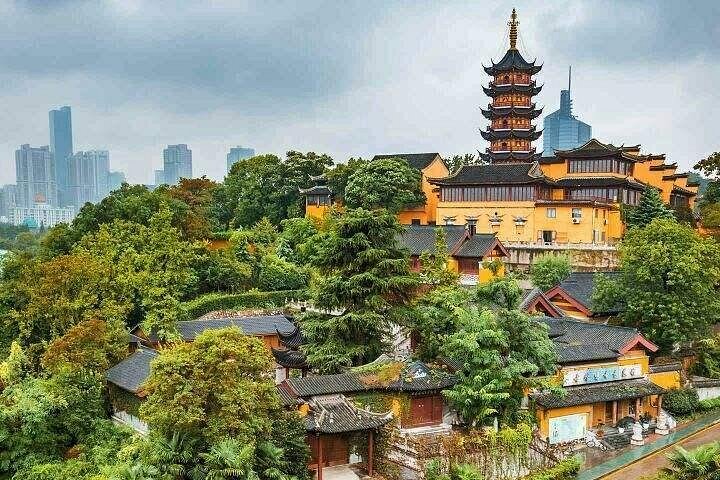
Spring is one of the loveliest times. Temperatures climb from cool to pleasantly warm, flowers bloom across the city and the trees along the avenues turn fresh green. Plum blossom near Ming Xiaoling usually blooms in late winter or early spring, followed by cherry blossom at Jiming Temple and around Xuanwu Lake. Expect some rain, so carry a light jacket and an umbrella. Crowds are moderate, though blossom spots can be busy on weekends.
Early summer and plum rain (June to early July)
Around June, the region enters the plum rain season, a period of persistent drizzle, grey skies and high humidity. Sightseeing is still possible, but plan indoor options such as museums, the Presidential Palace and food tours. Temperatures are warm but not yet at their peak.
Summer (July to August)
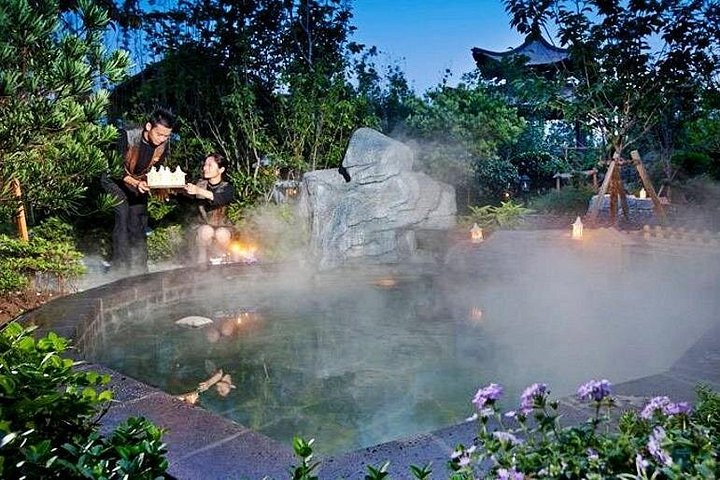
Summers are hot and humid, and Nanjing is traditionally counted among China's hottest cities. Daytime temperatures can be very high, with heavy humidity and occasional thunderstorms. If you visit in summer, start sightseeing early, rest indoors in the afternoon and return to outdoor sights in the evening. Cruises on the Qinhuai, lake walks at dusk and hot springs in air-conditioned sections are more pleasant than climbing mausoleum stairs at noon. Bring sun protection and plenty of water.
Autumn (September to November)
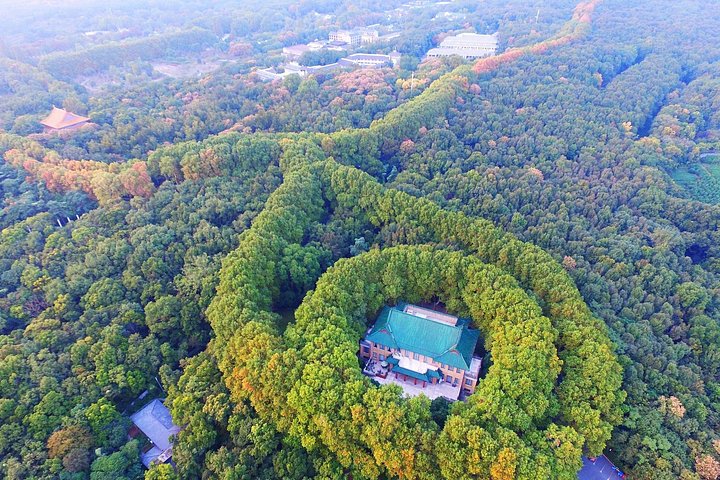
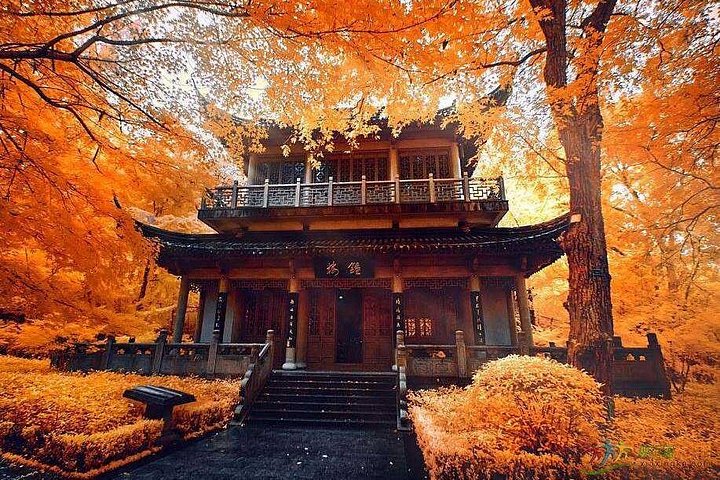
Autumn is the best time for most visitors. The weather is dry, clear and mild, and the light is beautiful. The plane trees along the city avenues turn golden, ginkgo leaves glow yellow around Linggu Temple and the maples of Qixia Mountain blaze red, usually in late October and November. The trade-off is crowds, especially around the Golden Week holiday in early October and at the maple peak, so book early and visit major sights on weekdays.
Winter (December to February)
Winters are cold and damp, with temperatures that can fall to around freezing and occasional snow. Heating in older buildings may be limited, so dress in layers. On the plus side, crowds are thin, hotel rates can be lower and the mountain and lake scenery has a quiet beauty. It is also the season for hot springs, hot pot and warming soups. The Spring Festival period, which falls in late January or February, is a mixed blessing, with spectacular lantern displays in the Confucius Temple area but heavy crowds and closures.
Holidays and crowds
Chinese national holidays, especially the Golden Week in early October and the Spring Festival, bring huge domestic crowds and higher prices. Avoid them if possible, or book hotels, trains and tours well ahead. Weekends are busier than weekdays at nearly all major sights, including the mausoleums, the Confucius Temple area and Xuanwu Lake.
Day length and light
Daylight is long in summer, with late sunsets that stretch the evening. In winter it falls early, so lantern-lit scenes and night cruises start at a convenient hour. Photographers will find golden-hour light in spring and autumn especially rewarding at the mausoleums and the city wall.
Packing by season
In spring, pack layers and a light rain jacket. In summer, bring breathable clothing, a hat, sunscreen and a small umbrella. In autumn, a light jacket suffices. In winter, pack a warm coat, hat, gloves and waterproof shoes. Comfortable walking shoes are essential in every season.
Festivals and events
Beyond the major holidays, the year brings smaller pleasures. The lantern fair around the Confucius Temple at Spring Festival is spectacular, plum and cherry blossom festivals draw crowds in early spring and the maple season at Qixia is a seasonal highlight. Check local dates shortly before you travel, as events shift each year.
The short answer
If you can choose, go in April or in October to November (avoiding the first week of October). These months combine good weather with the best seasonal scenery, from blossom to maples. If you must visit in summer or winter, adjust your schedule to the weather and enjoy the city's indoor and evening attractions.