Nanjing is the capital of Jiangsu province and one of the four great ancient capitals of China, a city that served as the seat of several dynasties and of the Republic of China. It sits on the lower Yangtze River, about an hour and a half from Shanghai by high-speed train, and it combines imposing imperial tombs, a vast Ming city wall, lively old lanes and a modern, green urban core. For many visitors it is a pleasant surprise, quieter than Beijing or Shanghai, with a more relaxed pace, tree-lined avenues and a deep sense of history.
Understand the layout
The city is large, and its main sights are scattered. The old city, enclosed by the Ming wall, contains the Presidential Palace, Xuanwu Lake, Xinjiekou's shopping district and the Confucius Temple area. Purple Mountain, with the Sun Yat-sen Mausoleum and Ming Xiaoling, rises to the east of the old city. The Yangtze lies to the west, and Jiangning and the airport are to the south. Plan each day by area, rather than zigzagging across the city, and you will save hours of travel.
The sights to see first
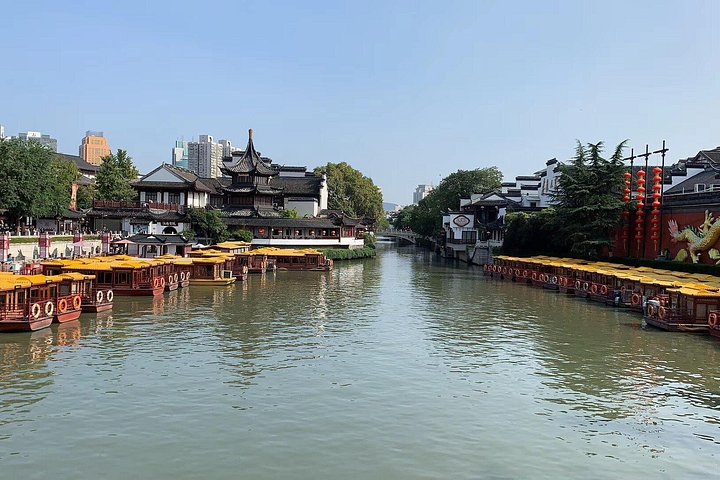
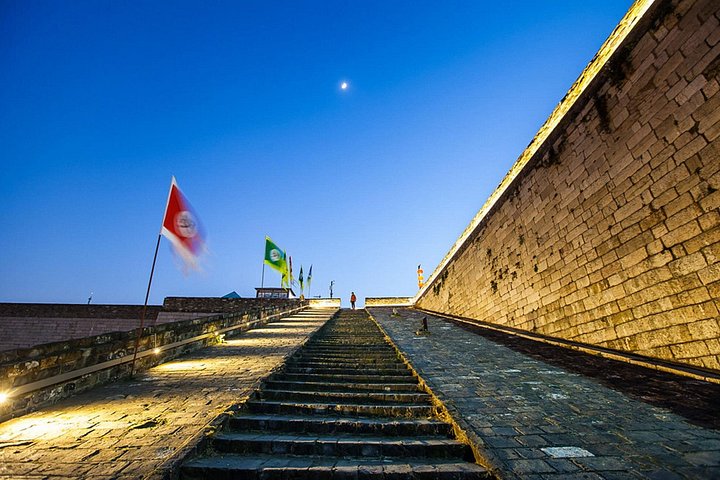
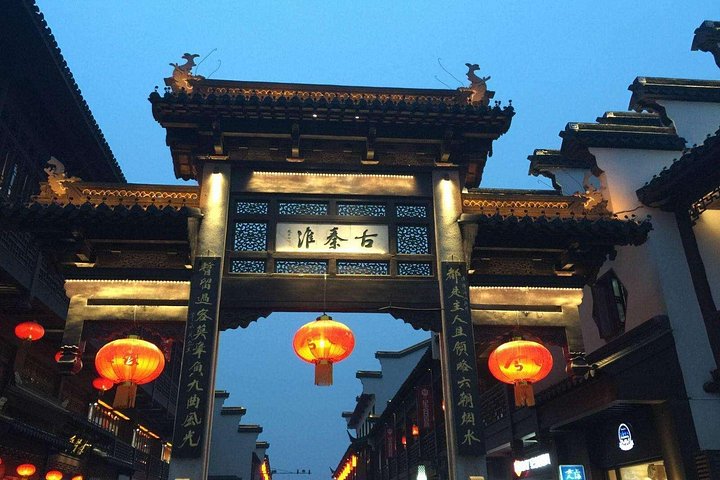
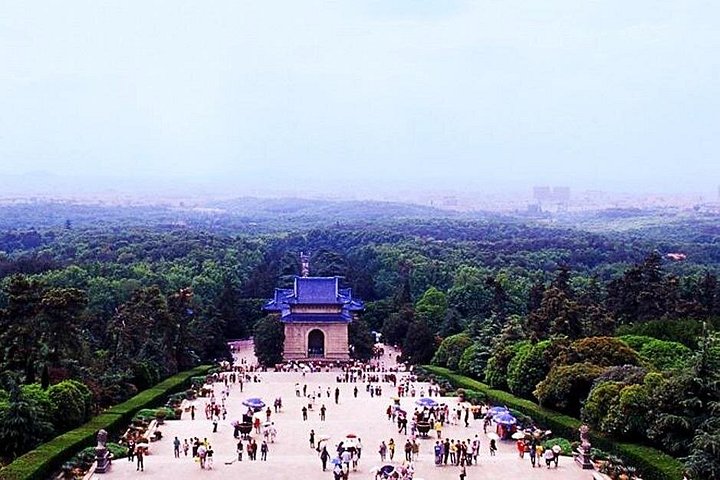
Start with the great monuments on Purple Mountain: the Sun Yat-sen Mausoleum with its blue roofs and long staircase, and the Ming Xiaoling tomb with its avenue of stone animals. Then walk a stretch of the Ming city wall and see Zhonghua Gate. In the evening, wander through the Confucius Temple district, where lanterns light the lanes, and consider a Qinhuai River cruise. If you have more time, add Xuanwu Lake, Jiming Temple, the Presidential Palace and the Nanjing Massacre Memorial Hall, which is a sombre but important part of understanding the city.
Getting around
The metro is clean, cheap and extensive, and it is the best way to cross the city, especially at rush hour. Signs are in Chinese and English. Taxis and ride-hailing are easy to use, though you should carry your destination written in Chinese characters. For Purple Mountain, a driver or a guided tour saves a great deal of time, because the sights are spread across a large forested area. High-speed trains connect Nanjing South Station with Shanghai, Hangzhou, Suzhou, Beijing and many other cities, so day trips are simple.
Money, phones and apps
China is largely cashless, and most shops, taxis and even snack stalls expect payment through a mobile wallet. Foreign cards can usually be linked to the main payment apps, and it is wise to set this up before you arrive. Carry some cash as a backup, since a few places still prefer it. Bring your passport everywhere, because it is needed for train tickets, many attractions and hotel check-in. Download a translation app and an offline map before you travel.
Food and drink
Nanjing cooking is part of the Jiangsu tradition, with fresh ingredients, light seasoning and a hint of sweetness. Do not miss salted duck, duck blood and vermicelli soup, soup dumplings, beef pot-stickers and sesame pancakes. A guided food tour is the easiest way to taste the city's best dishes on your first day. Tea is served almost everywhere, and tap water is not generally drunk, so buy bottled water or use boiled water from your hotel.
Weather and timing
Nanjing has hot, humid summers, cold and damp winters, and pleasant springs and autumns. Spring and autumn are the best seasons for sightseeing, while summer calls for early starts and indoor breaks in the afternoon. Winter can be bitterly cold, though the crowds are thinner. Carry a light rain jacket in spring and early summer, when rain is frequent. Public holidays, especially the Golden Week in early October, bring crowds and higher prices.
Language and etiquette
Mandarin is the language of daily life, and English is limited outside international hotels and big attractions. A smile and a translation app solve most problems. Queue for the metro, let passengers off before boarding and keep your voice low in temples and memorials. At the Nanjing Massacre Memorial Hall and in religious sites, dress simply and follow signs about photography.
Entry rules and reservations
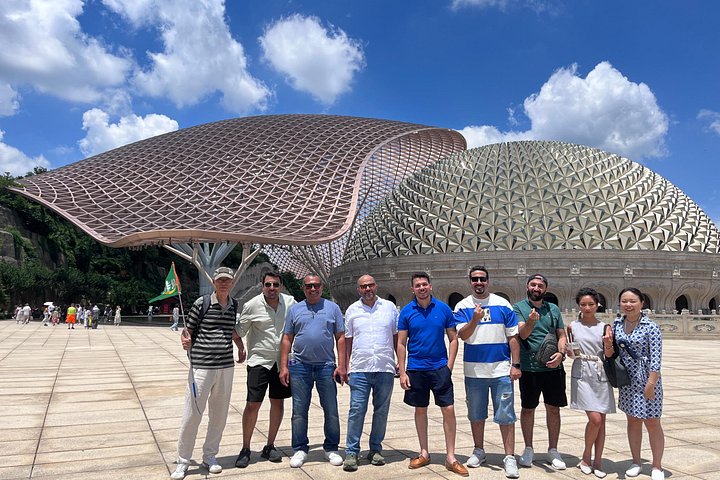
Many major sights ask visitors to reserve in advance or to show a passport at the gate, and some close one day a week. Rules change, so confirm them shortly before you go, or let a guide handle the details. A guided tour can be a convenient way to manage tickets and transport for the busiest places.
How long to stay
Three days is enough for the main city sights, with time for a food tour and a river cruise. A fourth or fifth day lets you add a day trip to Yangzhou, Zhenjiang or Wuxi, or a relaxing afternoon at the Tangshan hot springs. If you are passing through on the way to Shanghai or Hangzhou, a single full day with a guide covers the highlights.
A simple first plan
On day one, take a private city highlights tour that includes the mausoleums and the city wall. In the evening, wander the Confucius Temple area and cruise the Qinhuai River. On day two, spend the morning at Xuanwu Lake and Jiming Temple, visit the Presidential Palace in the afternoon and finish with a local food tour. On day three, choose between a day trip, the hot springs or a deeper look at Purple Mountain and Linggu Temple.