Wine country is as much about food as wine, and eating well here does not require a tasting-menu budget. The region's farms, ranches, bakeries and cheesemakers supply everything from oyster counters to picnic boxes, and some of the best meals of a trip are the simplest: bread, cheese and a bottle on a plaza lawn. Here is how to eat your way through the two valleys, with a sensible eye on the wine that goes with it.
Start at the Oxbow Public Market
Downtown Napa's riverside market hall, open daily from 7:30am to 9pm, is the best introduction to the valley's casual food culture and the easiest affordable meal in Napa. Gather oysters from Hog Island Oyster Bar, burgers and fish tacos from Gott's Roadside, English muffins from The Model Bakery, charcuterie from The Fatted Calf, pizza from Live Fire Pizza and empanadas from El Porteño, then finish with gelato or doughnuts. Fieldwork Brewing pours beer, Ritual Coffee Roasters handles mornings, and Bar Lucia mixes aperitivo-style drinks. It is free to enter, perfect for families and groups, and a few minutes from the Wine Train station. Next door, the Culinary Institute of America at Copia adds cooking demonstrations and dining.
Yountville: the destination dining street
Yountville's mile-long Washington Street has one of the highest concentrations of acclaimed restaurants in the country, from celebrated tasting-menu temples that require reservations months ahead to relaxed bistros, bakeries and cafes. Even if a famous tasting menu is beyond your budget, a bakery breakfast, a bistro lunch or a bar seat at dinner lets you enjoy the town's cooking. Stay in Yountville, at a hotel such as Bardessono, and you can walk to dinner every night.
St. Helena and Calistoga
St. Helena's Main Street has excellent restaurants, wine shops and bakeries, and it is a natural lunch stop between wineries in Rutherford and the northern valley. Calistoga's Lincoln Avenue is more casual and affordable, with cafes, taquerias, pizza and comfort food that taste especially good after a mud bath. Ask locals where they eat; the best spots change, and small family places often outshine the famous names.
Picnics on the Sonoma Plaza
The town of Sonoma is made for picnics. Shops around the plaza sell cheese, bread, charcuterie and prepared foods, and the plaza's lawns, shade trees and duck pond are the perfect setting for an outdoor lunch between visits to the mission and tasting rooms. In summer, the town's restaurants spill onto the sidewalks, and evenings on the square are among the most pleasant in wine country. Many Sonoma wineries also welcome picnics, but always check first: some do not allow outside food, including Domaine Carneros, which offers its own table service.
Healdsburg: the food town
Healdsburg has become one of the most food-focused small towns in California. Breakfast at Costeaux French Bakery, in business since 1923, is a local ritual; Barndiva is known for farm-sourced cooking; Willi's Seafood and Raw Bar and Bravas Bar de Tapas are favorites for small plates; and Spicy Vines pairs tastings with bites and live music on many Saturday nights. Reservations are essential on weekends, and prices are high, but the produce from surrounding farms makes the cooking memorable.
Eating at wineries
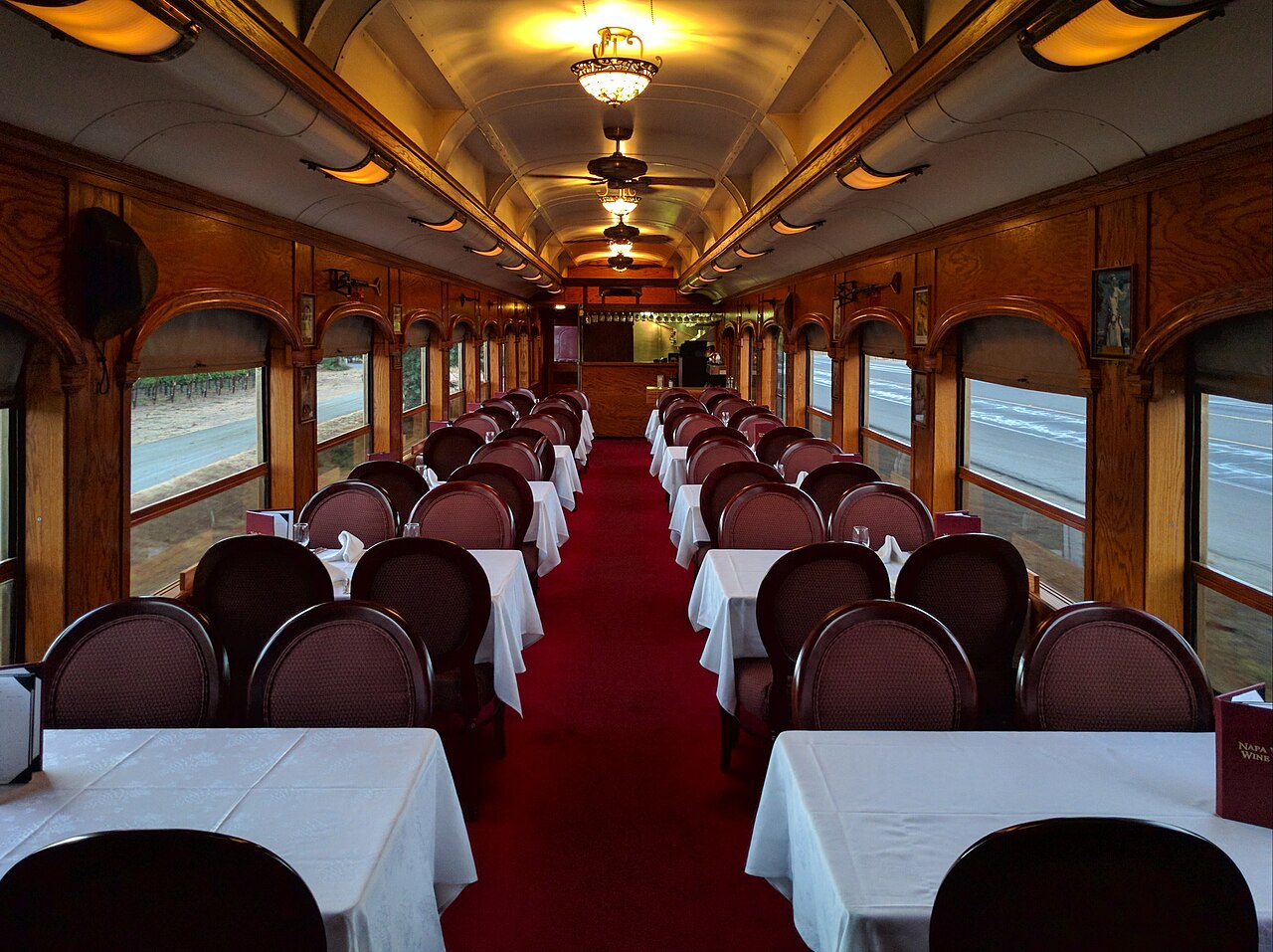
More wineries now pair wines with food, from small bites to multi-course experiences. Domaine Carneros serves a menu of small plates with its sparkling wines and hosts longer pairings in its glass house. Robert Mondavi Winery offers a three-course pairing called the Mondavi Table. The Napa Valley Wine Train serves multi-course lunches and dinners on board. These experiences are not cheap, but they slow the pace, put food in your stomach and make tasting more enjoyable — and safer.
Food and wine, sensibly
Never taste on an empty stomach. Eat a real breakfast, plan a proper lunch between your morning and afternoon tastings, and carry snacks and water in the car. If you are driving, the designated driver should not taste at all; better still, hire a driver or join a tour that includes lunch. Remember that hot springs and mud baths do not mix well with heavy drinking.
Budget tips
Breakfast at a bakery, lunch at a market hall or a picnic on a plaza, and a single splurge dinner per trip keep costs manageable. Many tasting rooms waive a fee with a purchase, so buy a bottle you love rather than paying fees at too many wineries. Shop for picnic supplies at local markets, and look for happy-hour offers in downtown Napa. Midweek and off-season visits bring easier reservations and sometimes lower prices.
When to book
The most famous restaurants open reservations weeks or months in advance and fill quickly, especially in harvest season. Book special-occasion dinners as soon as your dates are fixed, and use hotel concierges for hard-to-get tables. For casual places, arrive early or go at off-peak hours. And leave room for spontaneity — some of the best wine-country meals are the ones you stumble into.