Napa and Sonoma are close enough to visit in one trip and different enough to feel like two destinations. Napa Valley is a single, narrow valley about thirty miles long, densely planted with vines and lined with famous estates, polished tasting salons and some of the best restaurants in America. Sonoma County, on the other side of the Mayacamas Mountains, is far larger and more varied: the historic Sonoma Valley, the Russian River and Dry Creek valleys around Healdsburg, redwood forests and a wild Pacific coast. A first visit works best if you understand the shape of the region, book the essentials early and plan your driving before you taste anything.
Get the geography straight
In Napa, two roads run up the valley: Highway 29 on the west side, through the city of Napa, Yountville, Oakville, Rutherford, St. Helena and Calistoga, and the Silverado Trail on the east side, quieter and usually faster. Cross-valley roads link them every few miles. The city of Napa sits at the southern end near the Carneros district, which straddles both counties and is cooled by San Pablo Bay; Calistoga, with its hot springs, sits at the northern end. In Sonoma, the town of Sonoma and its plaza anchor the southern Sonoma Valley, which runs north through Glen Ellen and Kenwood toward Santa Rosa, the county's largest city. Healdsburg, about ninety minutes north of the Golden Gate Bridge, is the hub of northern Sonoma County, with the Russian River and Armstrong Redwoods to the southwest. The drive from Napa to the Sonoma Plaza takes about twenty to thirty minutes via Carneros; from Calistoga, a winding road crosses the hills toward Santa Rosa, passing Safari West.
Reserve almost everything
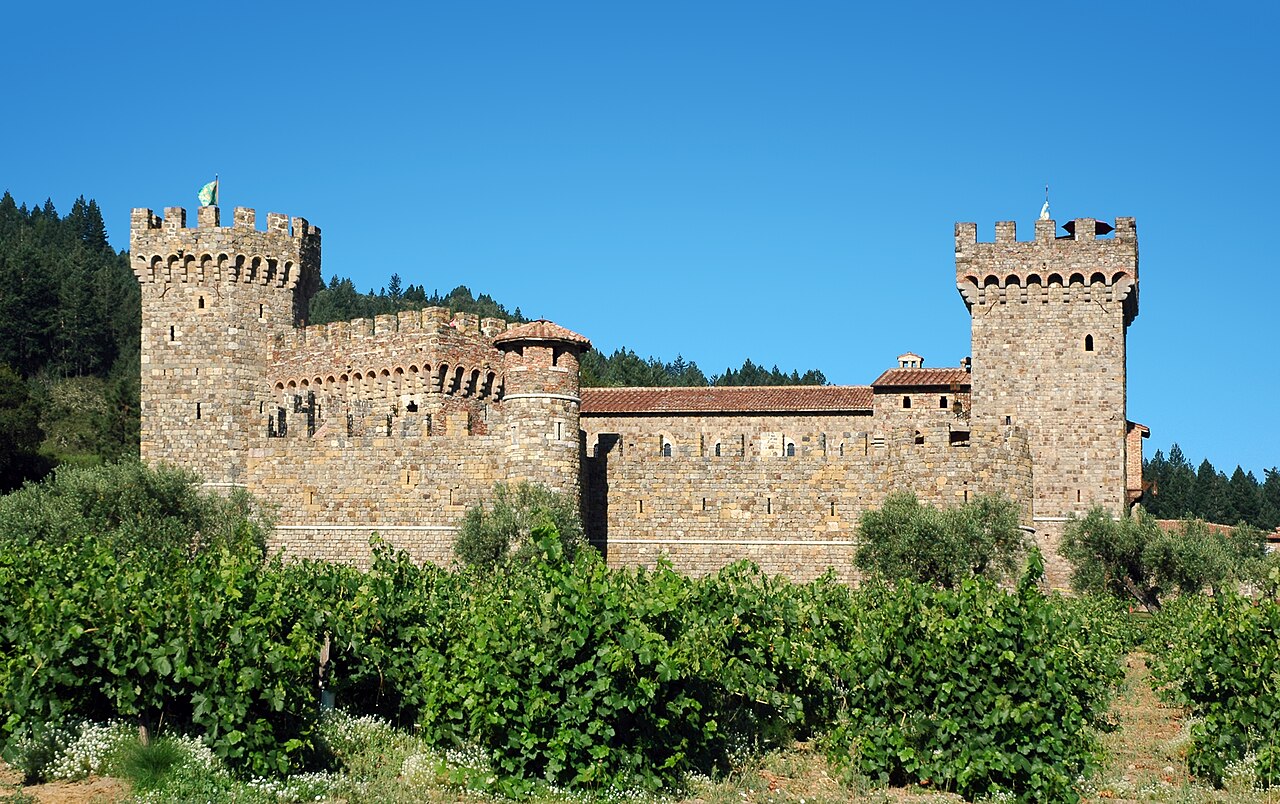
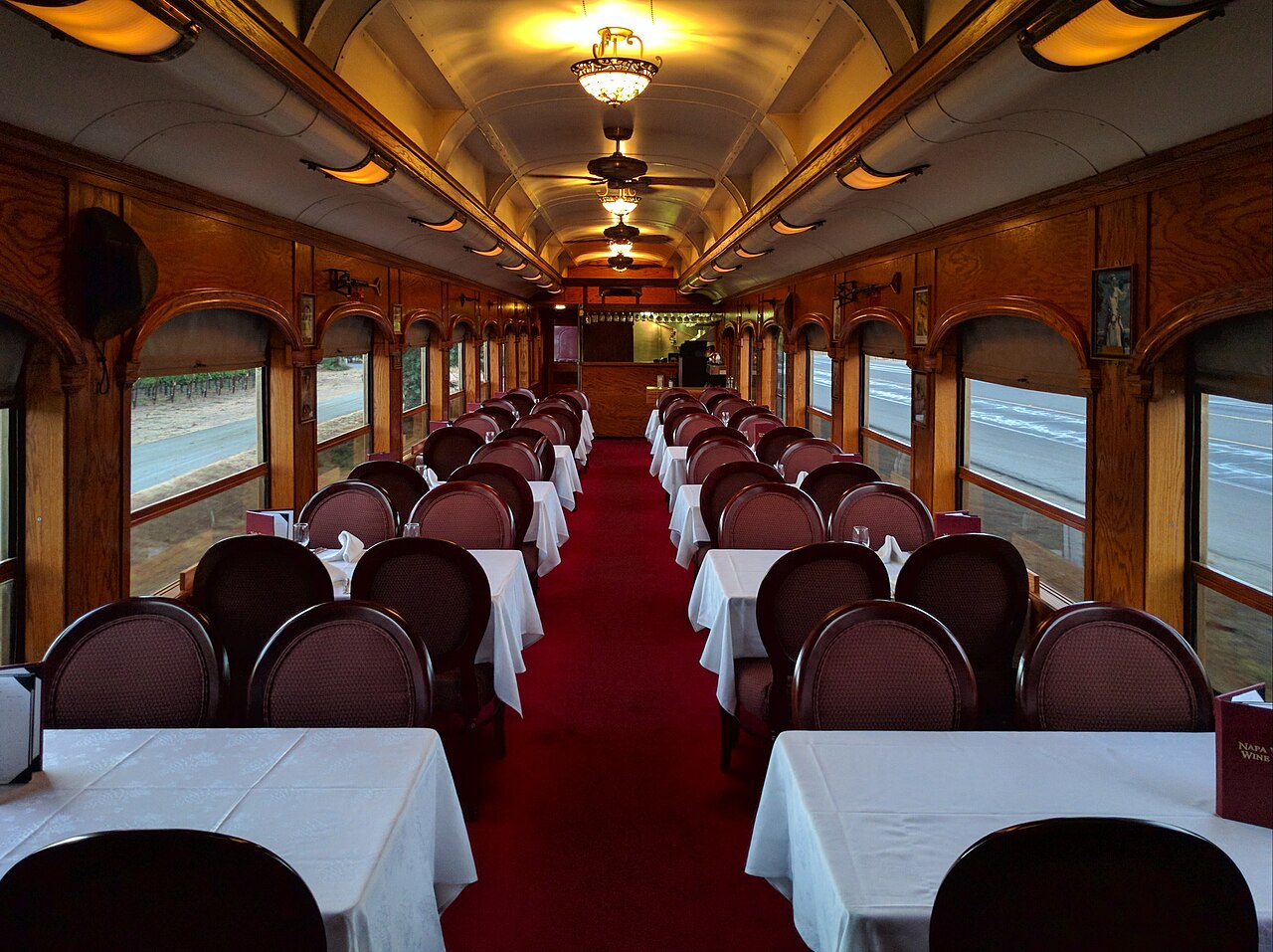
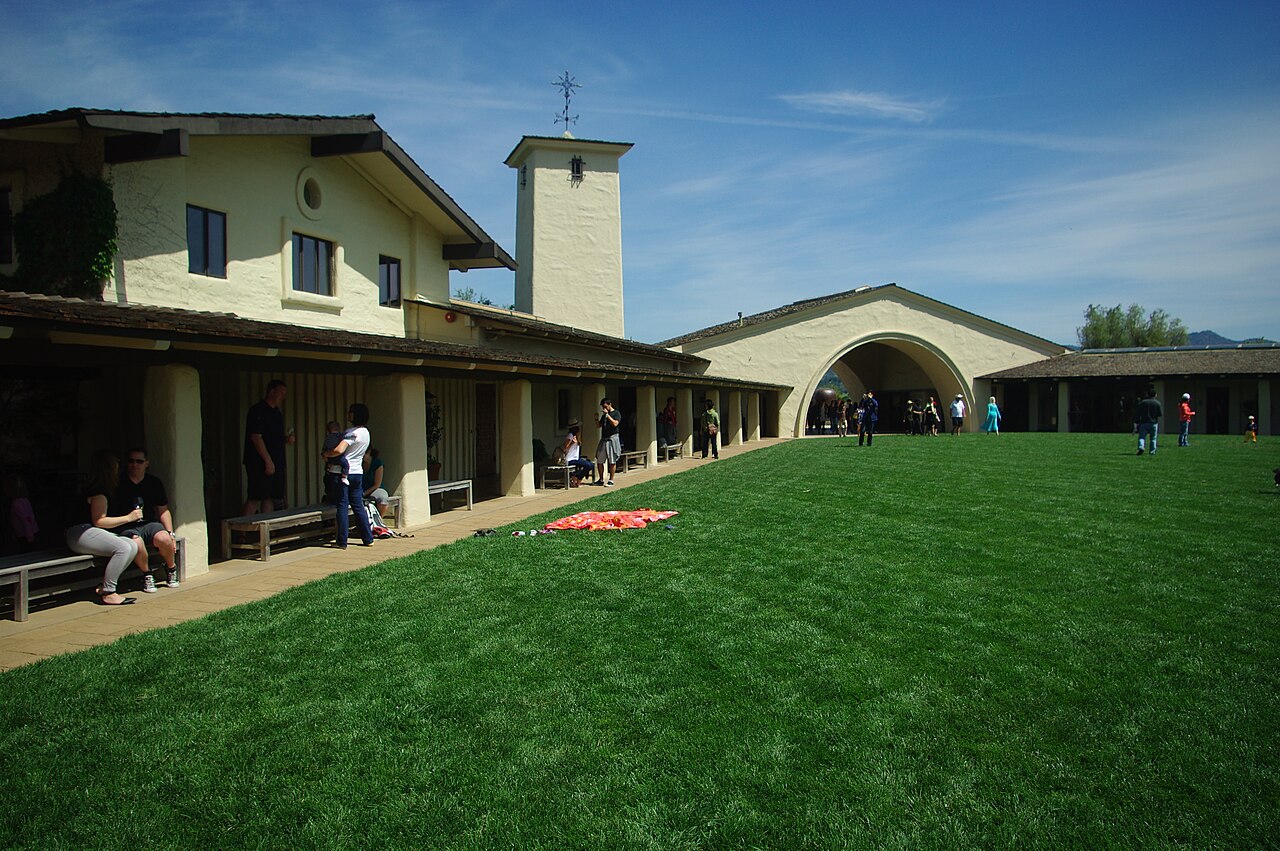
Wine country changed after 2020, and most wineries now operate by reservation, especially in Napa. Some, such as Domaine Carneros, require them for every visitor; Castello di Amorosa is open daily by reservation; the newly reopened Robert Mondavi Winery books through its website and Tock. Walk-ins are still possible at some tasting rooms on quiet weekdays, particularly around the Sonoma and Healdsburg plazas, but do not count on it on weekends or during harvest. Book the hard-to-get experiences first — the Wine Train, a balloon flight, a Mondavi or castle tour, your favorite restaurant — then build your days around them.
Understand tasting fees
Tasting is no longer free or cheap. Standard tastings at well-known Napa estates commonly cost somewhere between about forty and one hundred dollars per person, and reserve or food-paired experiences easily exceed one hundred and fifty. Beringer's experiences, for example, ranged from about 35 to 150 dollars in 2026, and Mondavi's reported tastings run from about 60 to 150. Some wineries waive a fee with a bottle purchase or club membership, but many do not. Sonoma tends to be somewhat cheaper than Napa, and town tasting rooms are often the most affordable. Budget for two or three tastings a day at most; beyond that, your palate and your wallet suffer.
Plan the driving before the drinking
This is the most important rule in wine country. Distances look short, but roads are busy, police patrol Highway 29 and the Silverado Trail, and tasting pours add up. Choose a designated driver who genuinely does not drink, hire a car and driver for the day, join a guided tour, or base yourself in a walkable town — downtown Napa, Yountville, Sonoma or Healdsburg — and taste on foot. The Napa Valley Wine Train is a built-in designated driver for a day. Spit or pour out when you need to; tasting-room staff will not be offended, and spit buckets exist for a reason. Eat a proper lunch, drink water between wineries, and do not book a hot mud bath after a heavy tasting.
Know the seasons
Harvest, from late summer into October, is the most exciting and most crowded time, with grapes coming in, crush underway and peak hotel prices. November, just after harvest, brings golden and red vineyards, quieter roads and the start of the rainy season. Winter is the cheapest and calmest time, with green hills, mustard flowers between the vines and cozy tasting rooms, though some days are wet. Spring brings bud break and wildflowers, and summer is hot inland, ideal for pools and the cool redwoods. Late summer and fall are also wildfire season: the region was hit hard in 2017 and 2020, and while wineries, parks and towns have rebuilt and reopened, it is wise to check air quality and Cal Fire alerts before and during a trip. At Armstrong Redwoods, for instance, trails are open but camping in the adjoining Austin Creek area remains closed after the 2020 Walbridge Fire.
Choose your must-dos
For a first visit, we suggest one landmark estate (Robert Mondavi, reopened in 2026), one spectacle (Castello di Amorosa), one sparkling-wine terrace (Domaine Carneros), the Wine Train or a balloon flight, a Calistoga soak or mud bath, and a day in Sonoma for the plaza and mission. If you have more time, add Healdsburg and the redwoods, and for families, the Charles M. Schulz Museum and Safari West. Mix in at least one meal at the Oxbow Public Market for a casual, affordable break.
Practical last notes
Most visitors arrive via San Francisco or Oakland airports, an hour or more away depending on traffic, or the smaller Charles M. Schulz Sonoma County Airport in Santa Rosa. A car is useful even if you hire drivers for tasting days. Many wineries do not admit children to tastings, and some, such as Domaine Carneros, are strictly adults-only, so check before you go if traveling with kids. Wear layers — mornings are often foggy and cool even when afternoons are hot — and comfortable shoes for cellars and vineyard walks. Finally, leave space in the schedule. The best wine-country memories are rarely the fourth winery of the day; they are the long lunch, the unplanned picnic and the sunset over the vines.