A great tasting day in wine country is planned, not improvised. Wineries now work largely by appointment, fees are significant, and the drive between estates is the most dangerous part of the day. Get those three things right and the rest — the views, the stories, the wine — takes care of itself. Here is how specialists plan their tasting days in Napa and Sonoma.
How many wineries?
Two or three per day is the right number. Tastings typically last sixty to ninety minutes, and with travel, lunch and the odd photo stop, three appointments fill a day comfortably. Any more and you will be rushed, your palate will be tired and the risk of over-drinking rises. A good pattern is a late-morning appointment, a long lunch, and one or two afternoon tastings, finishing by about four, since many tasting rooms close at 5 or 5:30pm.
Mix the landmarks and the small producers
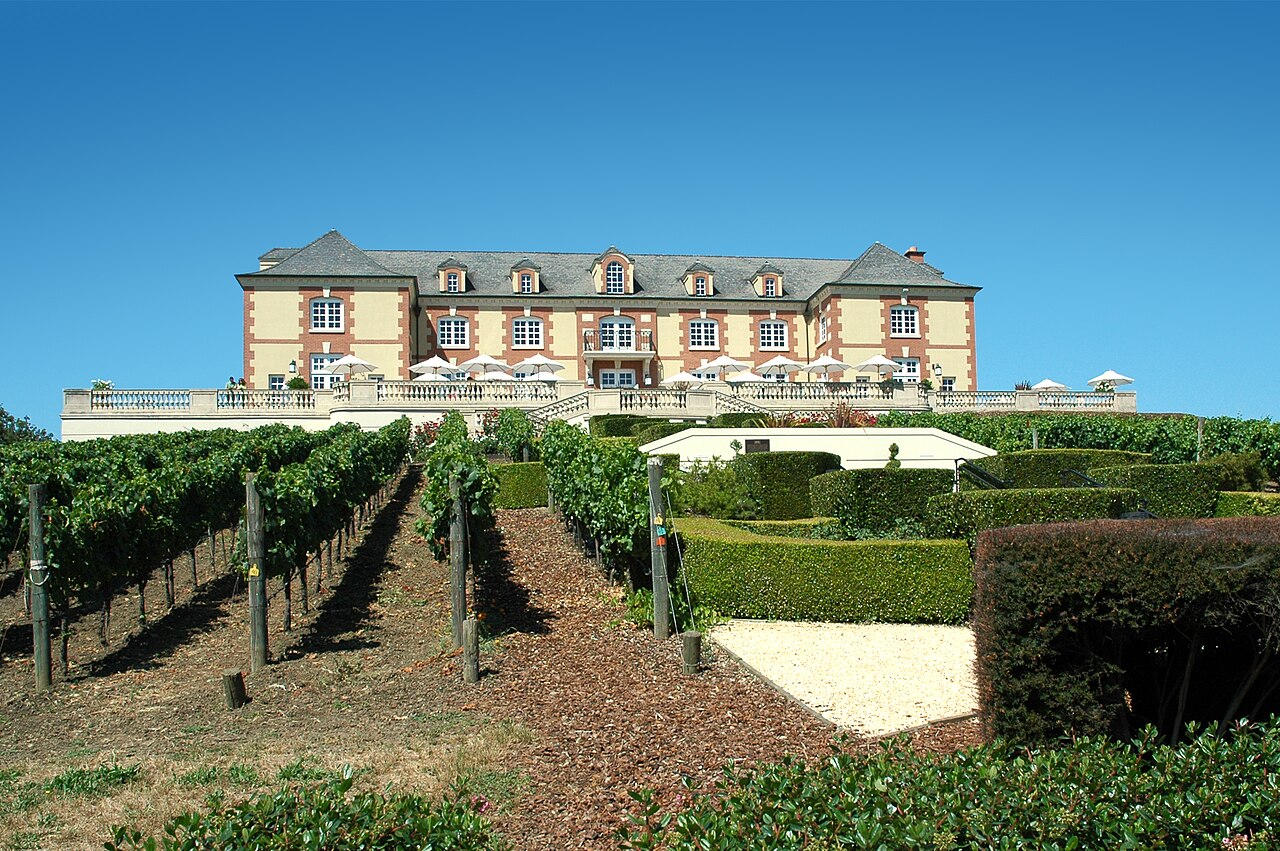
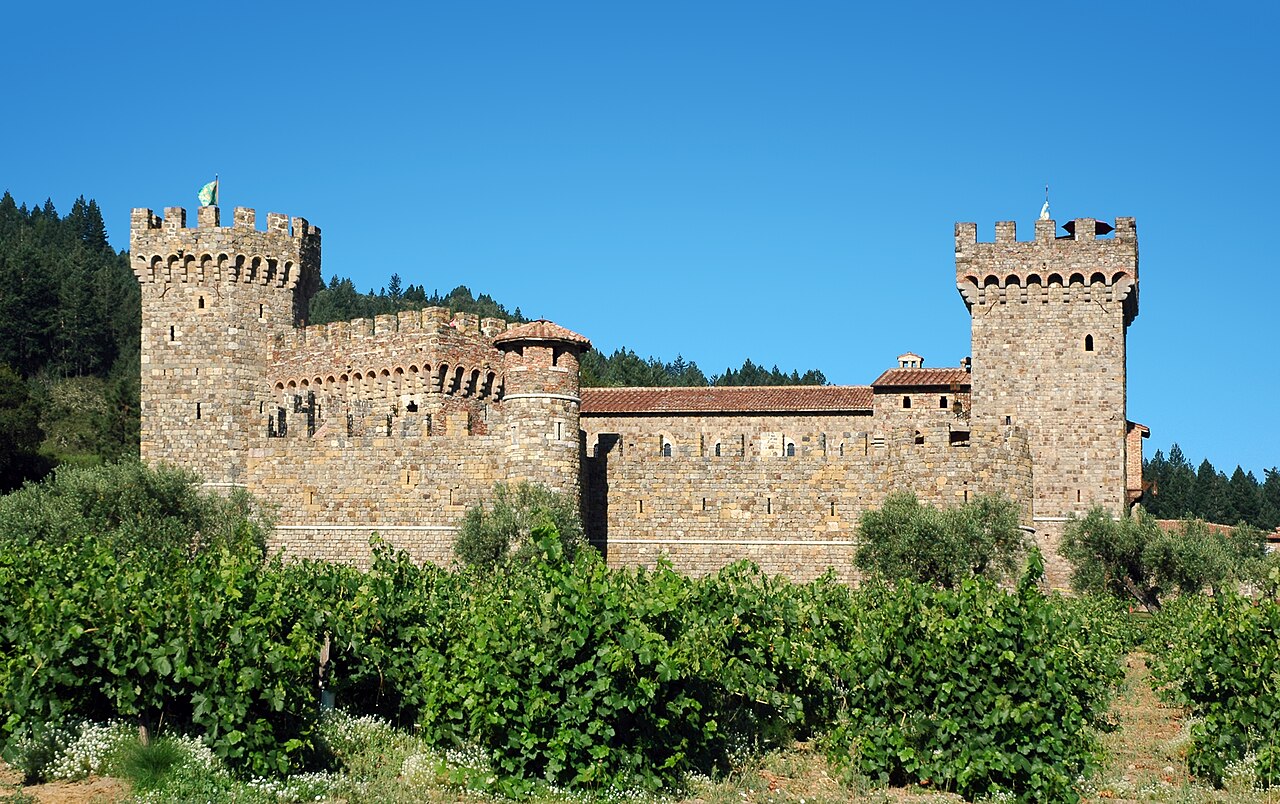
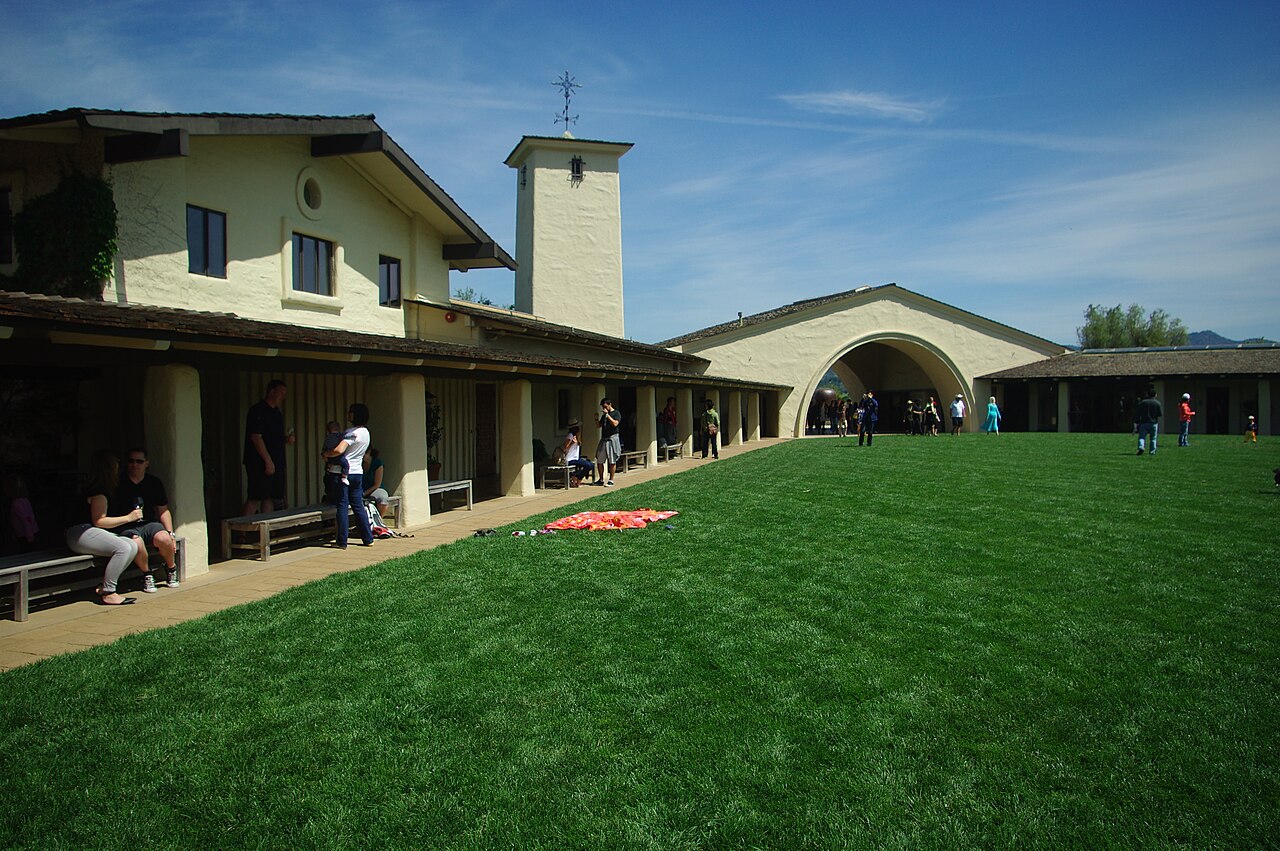
Pair one landmark estate — the reopened Robert Mondavi Winery in Oakville, Beringer in St. Helena (the valley's oldest continuously operating winery, which marked its 150th year in 2026), or the spectacle of Castello di Amorosa — with one or two smaller family wineries, where you may meet the winemaker or owner. Historic names such as Inglenook in Rutherford and Stag's Leap Wine Cellars, whose 1973 Cabernet won the famous 1976 Paris tasting, carry real history; check their current reservation options before you go. For variety, add a sparkling-wine house such as Domaine Carneros, or Sterling Vineyards, whose gondola ride to the hilltop returned in 2023 after the Glass Fire. In Sonoma, combine plaza tasting rooms with a valley estate.
Book smart
Reserve directly through each winery's website or Tock, the booking platform most wineries use. Note cancellation policies, which can be strict, and arrive on time — late arrivals may lose their slot. Put your whole group on one reservation if you want to sit together. Some wineries cap party sizes, often at six or eight, and larger groups need private bookings. Tell the winery about dietary needs if food is included.
Understand the fees
Expect to pay roughly forty to one hundred dollars per person for a standard tasting at a well-known Napa estate, and more for reserve, library or food-paired experiences. Some wineries waive the fee with a bottle purchase or for club members, while others do not. Sonoma and town tasting rooms are often cheaper. Gratuities are not usually expected for tasting staff, though leaving a tip for an exceptional host is appreciated. Budget ahead so fees do not surprise you.
Tasting etiquette
Arrive unscented — heavy perfume interferes with everyone's ability to smell the wine. Pace yourself, and spit or pour out whatever you do not want to finish; spit buckets are on every table for a reason, and professionals use them constantly. Ask questions; hosts love curious guests. Sharing a tasting is sometimes allowed, but ask first. Buy wine because you love it, not out of obligation.
Getting there and back safely
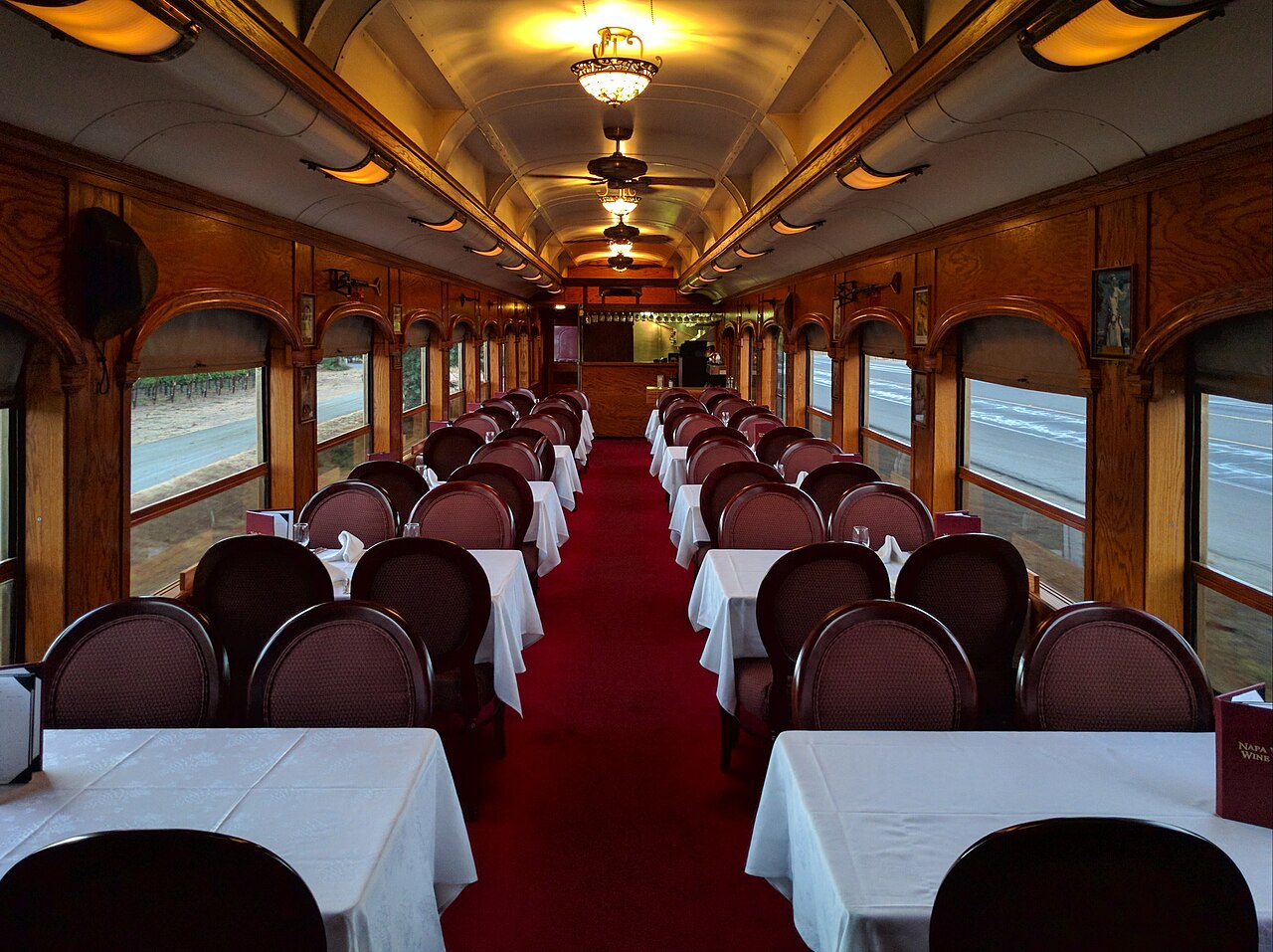
This is non-negotiable. Highway 29, the Silverado Trail and Sonoma's country roads are busy and patrolled, and tasting pours add up quickly. Options, from most to least relaxing: a private car and driver for the day, a small-group guided tour, a designated driver who does not taste at all, or staying in a walkable town such as downtown Napa, Yountville, Sonoma or Healdsburg and tasting on foot. The Napa Valley Wine Train combines lunch, wine and transport in one ticket, and some packages include a winery stop. Bike tours are popular in flatter areas such as Dry Creek Valley, but cycling after tasting needs the same caution as driving.
Kids and dogs
Many wineries do not allow children at tastings, and some are strictly adults-only, such as Domaine Carneros. Family-friendly exceptions include Castello di Amorosa, where children can tour the castle and taste grape juice. For a family day, pair one family-friendly winery with the Sonoma Plaza, the Schulz Museum, Safari West or Calistoga's warm pools. Dogs are welcome at some wineries, usually outdoors, but check before bringing them.
Shipping wine home
Most wineries ship within the United States to states that allow it, and many local shipping stores help visitors send cases home. If you fly with wine, pack it in checked luggage with protective sleeves or a wine suitcase. Joining a wine club often brings shipping discounts, waived tasting fees and member events — worth considering if you fall for a producer.
A sample day
Start with breakfast in Yountville, then a 10:30am tasting at a landmark estate in Oakville. Have a long lunch in St. Helena, followed by a 2pm appointment at a small family winery on the Silverado Trail. Finish with a 4pm sparkling tasting or a soak in Calistoga, and let your driver take you home while you plan tomorrow. Simple, unhurried and safe — which is exactly how wine country is meant to be enjoyed.