There is no bad time to visit wine country, but each season brings a very different trip. Prices, crowds, weather and what is happening in the vineyards all shift through the year, and the right choice depends on whether you want the energy of harvest, the calm of winter or the long warm evenings of summer. Here is what to expect, month by month, along with a few events and practical warnings.
Harvest: late summer into October
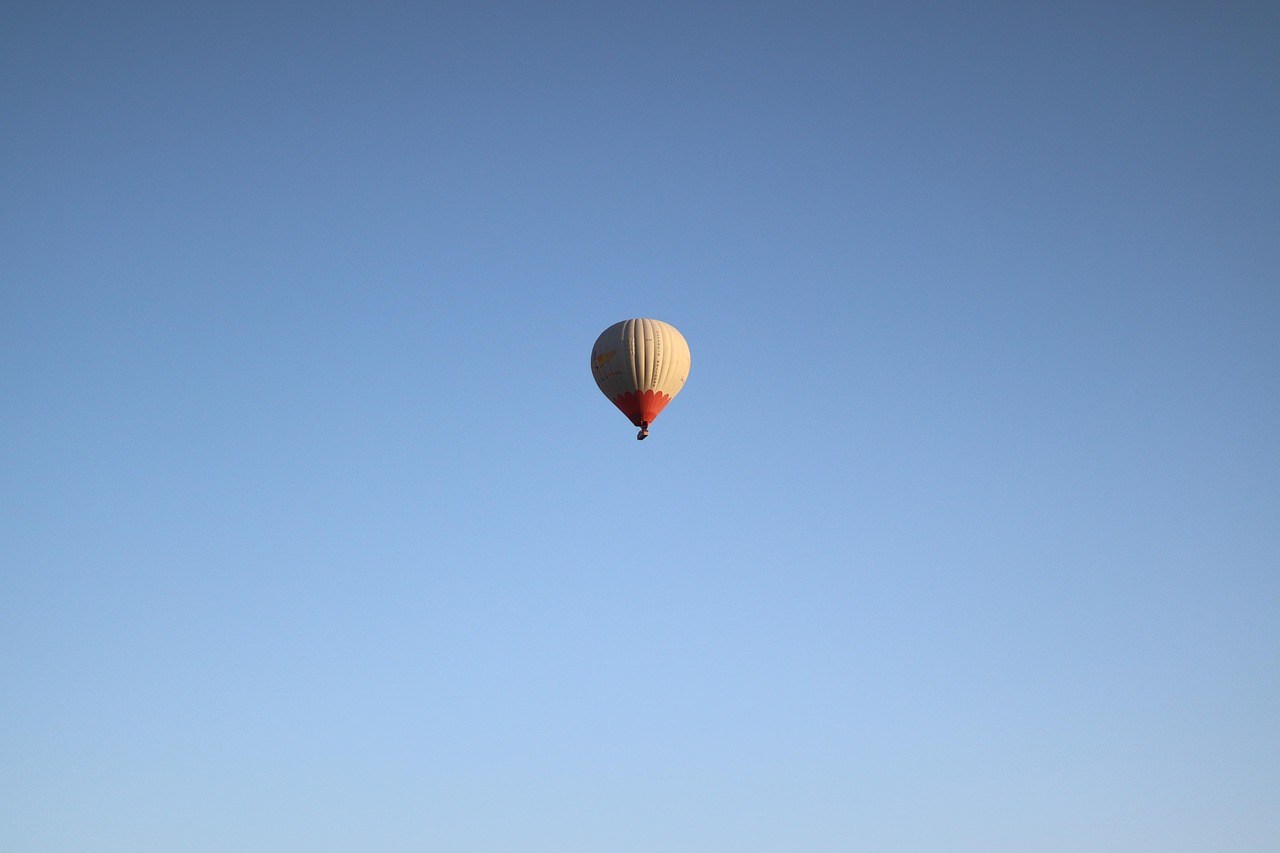
Harvest is wine country's high season and the most exciting time to visit. Grapes are picked, often at night or at dawn, crush pads hum with activity, and the valleys smell of fermenting fruit. Wineries run harvest events, and the vineyards are full and green turning gold. The downside is that everything is busiest and most expensive: hotels charge peak rates, often with two-night minimums, tasting reservations fill weeks ahead, and weekend traffic on Highway 29 can crawl. Balloon companies report August to October as their peak. If you visit at harvest, book everything early, travel midweek if you can, and use the Silverado Trail to avoid the worst traffic.
November: the sweet spot
Just after harvest, November is one of the loveliest and most underrated months. The vines turn gold, orange and red, crowds thin, and hotels begin to ease prices. The weather is usually mild and clear, though the rainy season begins and some days are wet. Wineries are relaxed after the frenzy of crush, staff have more time to talk, and tasting rooms feel cozy. Holiday events begin later in the month, and Thanksgiving week is busy. Note that some attractions close on Thanksgiving Day, including Castello di Amorosa and the Sonoma State Historic Park sites.
Winter: December to February
Winter is the quietest and best-value season. Rates drop, reservations are easier, and the hills turn green after the rains. Fireplaces, cellar tours and long lunches take center stage, and the Wine Train adds holiday journeys, including its Santa Train. Calistoga's hot springs are at their best when the air is cool. Expect some rainy days and chilly mornings, especially for balloon flights, when temperatures can drop into the 30s or 40s Fahrenheit at dawn. Late winter brings wild mustard flowering between the vine rows, painting the valley yellow.
Spring: March to May
Spring brings bud break, when new green shoots appear on the vines, along with wildflowers and pleasant temperatures ideal for hiking at Jack London State Historic Park and Armstrong Redwoods. Crowds build gradually toward late spring, and prices rise on weekends. The big event is BottleRock Napa Valley, the music, food and wine festival held over Memorial Day weekend at the Napa Valley Expo in downtown Napa; for 2027 it is listed from May 28. It draws huge crowds, so either book very early for the festival or avoid downtown Napa that weekend, when hotels across the valley fill and prices soar.
Summer: June to August
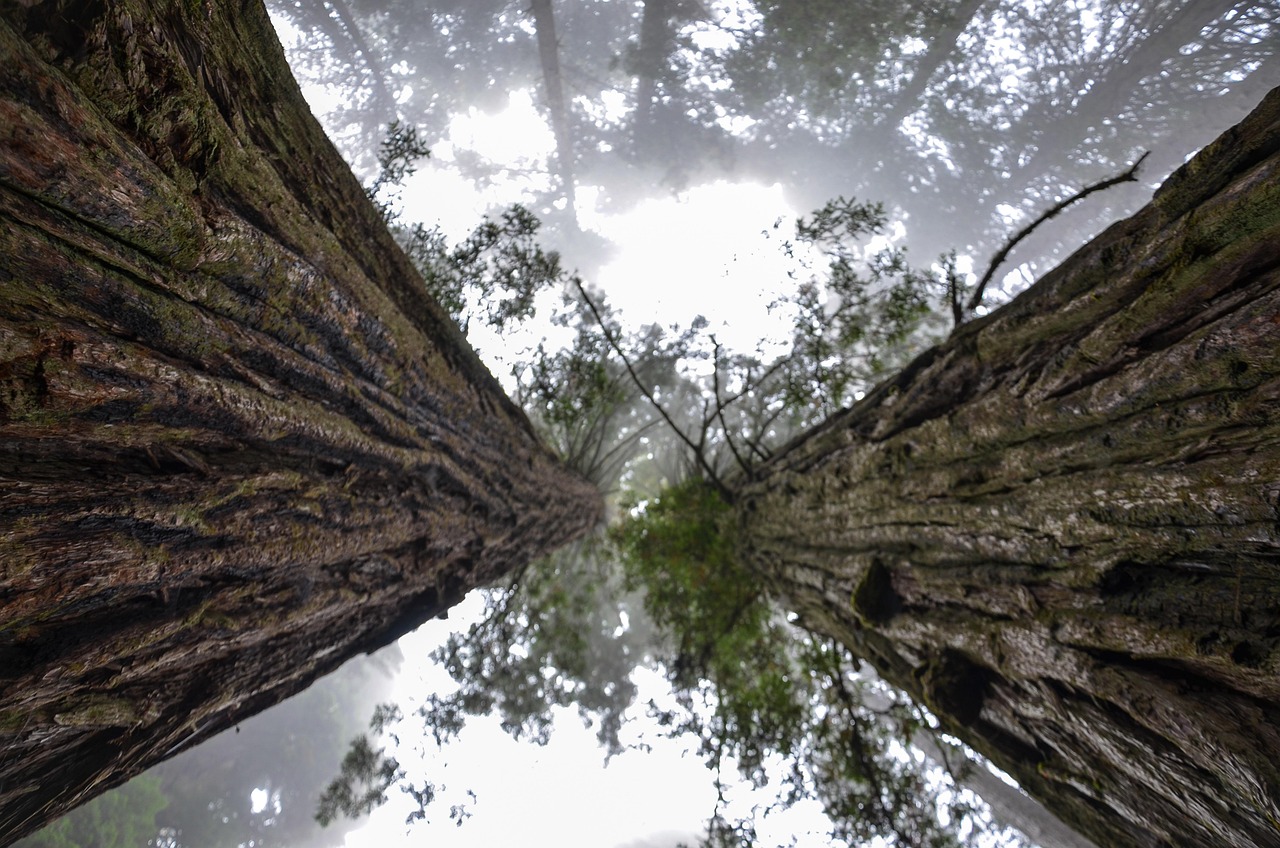
Summer is warm to hot inland, with long, dry days and cool, often foggy mornings near the bay. It is a great season for pools — Calistoga's geothermal resorts, garden pools in Sonoma and Healdsburg — and for the shady redwoods, which stay cool even on hot afternoons. Families travel in summer, so the Schulz Museum, Safari West and the Sonoma Plaza get busy. Plan outdoor activities early or late in the day, drink plenty of water, and remember that heat and wine together hit harder than you expect.
Fire season and smoke
Late summer and fall are also wildfire season in Northern California. The region was hit hard by the 2017 fires, including the Tubbs Fire, and by the 2020 Glass and Walbridge fires, which damaged wineries, hotels and parks. Much has been rebuilt: Sterling Vineyards' gondola, destroyed in the Glass Fire, returned in 2023, and Safari West welcomed visitors after its founder fought the 2017 flames. Some impacts linger, such as the closure of camping at Austin Creek beside Armstrong Redwoods. Before and during a late-summer or fall trip, check Cal Fire, air quality reports and state park alerts, and consider travel insurance. Smoke days can close outdoor activities and cancel balloon flights.
Budget strategies
The cheapest time to visit is winter, followed by early spring and November. Midweek stays are much cheaper than weekends year-round. Calistoga and Sonoma generally offer better value than Yountville and St. Helena, and downtown Napa has the widest range of prices. To keep tasting costs down, limit yourself to two or three paid tastings a day, look for fees waived with purchase, and mix in free or low-cost experiences: the Sonoma Plaza and mission, the Oxbow Public Market, Jack London State Historic Park, Armstrong Redwoods and the Healdsburg Plaza.
Our recommendation
For first-timers who want the full experience, aim for late October or November, after the harvest peak but with vineyard color and harvest energy still in the air. For value and calm, choose January to March. For families, summer works well if you plan around the heat. Whenever you go, book key experiences early and keep a designated driver in the plan.