Negril is warm all year, with sea temperatures that rarely drop below the mid-twenties Celsius and a sunny climate that suits swimming in every month. The best time to visit depends on your priorities, whether weather, price, crowds or the sea itself. Understanding the seasons helps you choose.
Dry season, December to April
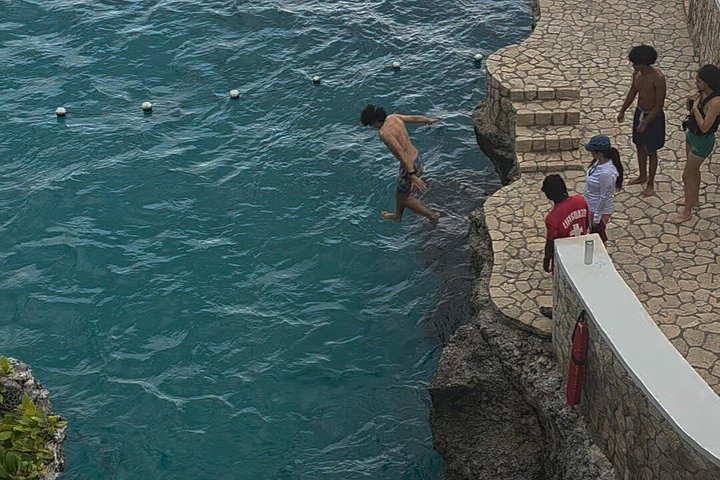
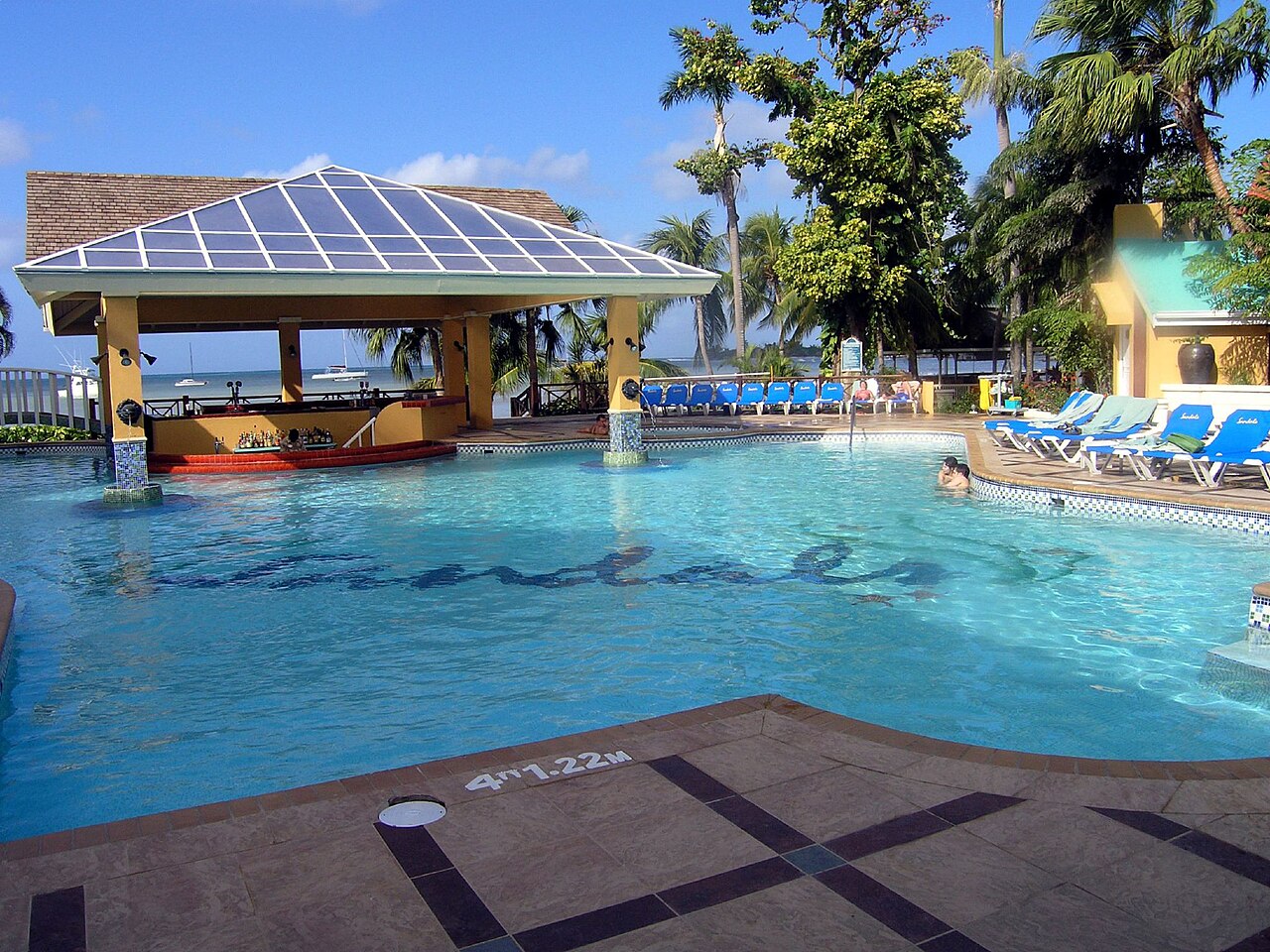
This is the high season. Days are sunny and comfortable, humidity is lower, rain is rare and the sea is calm and clear. It is the most popular time for visitors from North America and Europe, so prices are highest and resorts and tours can sell out. Book early, especially for Christmas, New Year and school holidays. The water is great for snorkelling, boat trips and cliff jumping, and sunsets are bright.
Shoulder months, May and early summer
May and June are warmer and a little wetter, with brief showers that clear quickly. Rates start to fall, crowds thin and the sea remains warm. It is a good time for travellers who want good value without a big change in comfort. Spring also brings the lobster closed season, so check availability on menus.
Summer, July and August
Summer is hot and humid, with afternoon showers and the occasional storm. Prices are lower and beaches are quieter, although school holidays bring families. Bring sun protection and plenty of water, and enjoy the early morning and late afternoon when it is coolest.
Hurricane season, June to November
The Atlantic hurricane season runs from June to November, with storms most likely from August to October. A direct hit is not common in any given year, but storms can bring heavy rain, rough seas and disruption, and some resorts close for maintenance in the autumn. If you travel then, buy travel insurance, choose flexible bookings and check forecasts before you leave. Rates are often at their lowest.
Autumn, September to November
This is the wettest and quietest period, with fewer visitors and the lowest prices. Showers are frequent but often short, and the sea is warm. Some businesses reduce hours or close for refurbishment. By late November the weather begins to improve, and the high season gets underway in December.
Sea conditions and activities
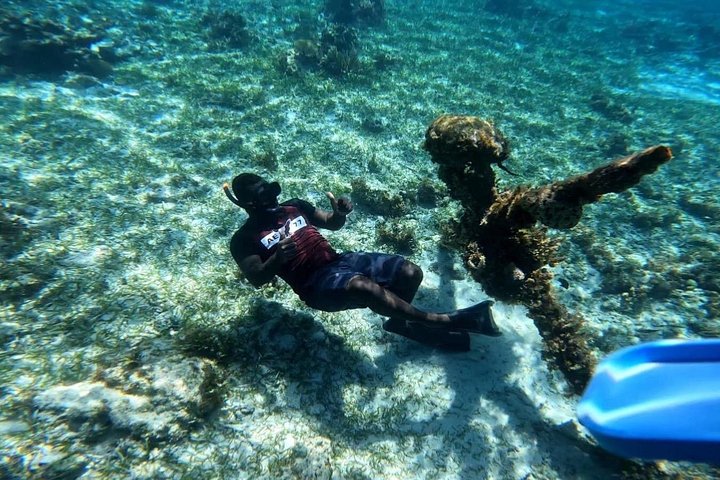
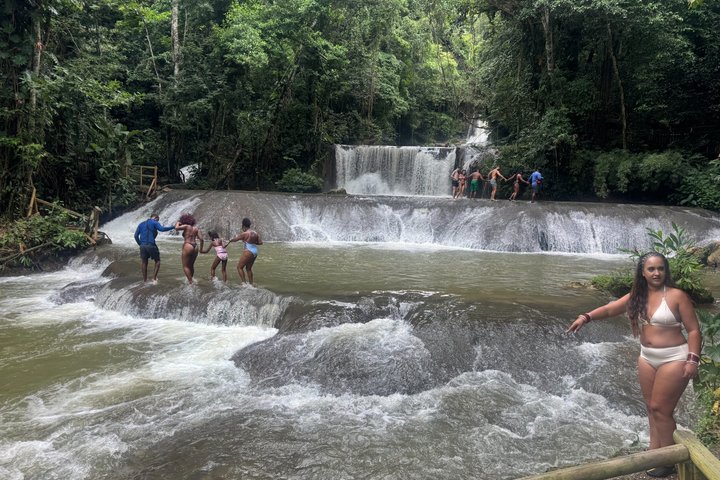
Calm seas in the dry season suit snorkelling, glass-bottom boats, catamaran cruises and diving. In windier months, boats may change routes or cancel, and visibility can drop after rain. Waterfalls such as YS Falls run fuller after rain but are open all year. Rafting and river safaris are enjoyable in any season.
Sunset and daylight
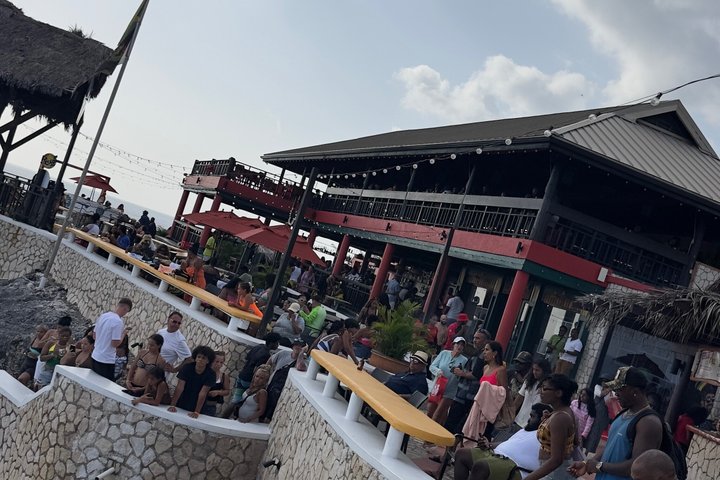
Sunset falls roughly between half past five in winter and just before seven in summer. For the best views at Rick’s Café, arrive an hour early. Mornings are the calmest part of the day for swimming and water sports.
Events and holidays
Christmas and New Year are very busy, and reggae and cultural events take place at different times of the year. Check the local calendar if you want to time your visit around music, and book early if your dates coincide with major events.
Our advice
For the best weather, choose December to April and book early. For value and fewer crowds, choose May, June or November. For a hot, quiet escape, summer works well. Whenever you go, pack sunscreen, a hat and a sense of humour, and be flexible if the weather changes.
Packing by season
In the dry season, pack light clothes, swimwear, a hat, sunscreen and a light layer for evenings. In the wetter months, add a packable rain jacket, quick-dry clothes and insect repellent. For boat trips, bring a dry bag, and for waterfalls and rocks, take water shoes. Year-round, a refillable water bottle and reef-safe sunscreen are useful.
Booking strategy
For the high season, reserve flights, hotels and key tours months ahead. For the low season, you can often book closer to the date, but check cancellation terms and travel insurance. If you are flexible, watch for package deals, and consider visiting just before or after the peak weeks, when the weather is nearly as good but prices are lower.
Crowds and atmosphere
In peak weeks, the beach bars buzz, Rick’s Café fills early and popular tours sell out. In quiet weeks, you may have long stretches of sand to yourself, and locals have more time to chat. Neither is better; they simply offer different moods. Think about whether you prefer a lively scene or a peaceful escape when you pick your dates.