Munich is the best-placed big city for the Alps, and four classic day trips radiate from it: the royal castles, Herrenchiemsee, Königssee and the Zugspitze. Each is long enough to fill a day, and they lie in different directions, so the trick is choosing one that fits your interests rather than trying to do them all. Here is how they compare.
Neuschwanstein and the royal castles
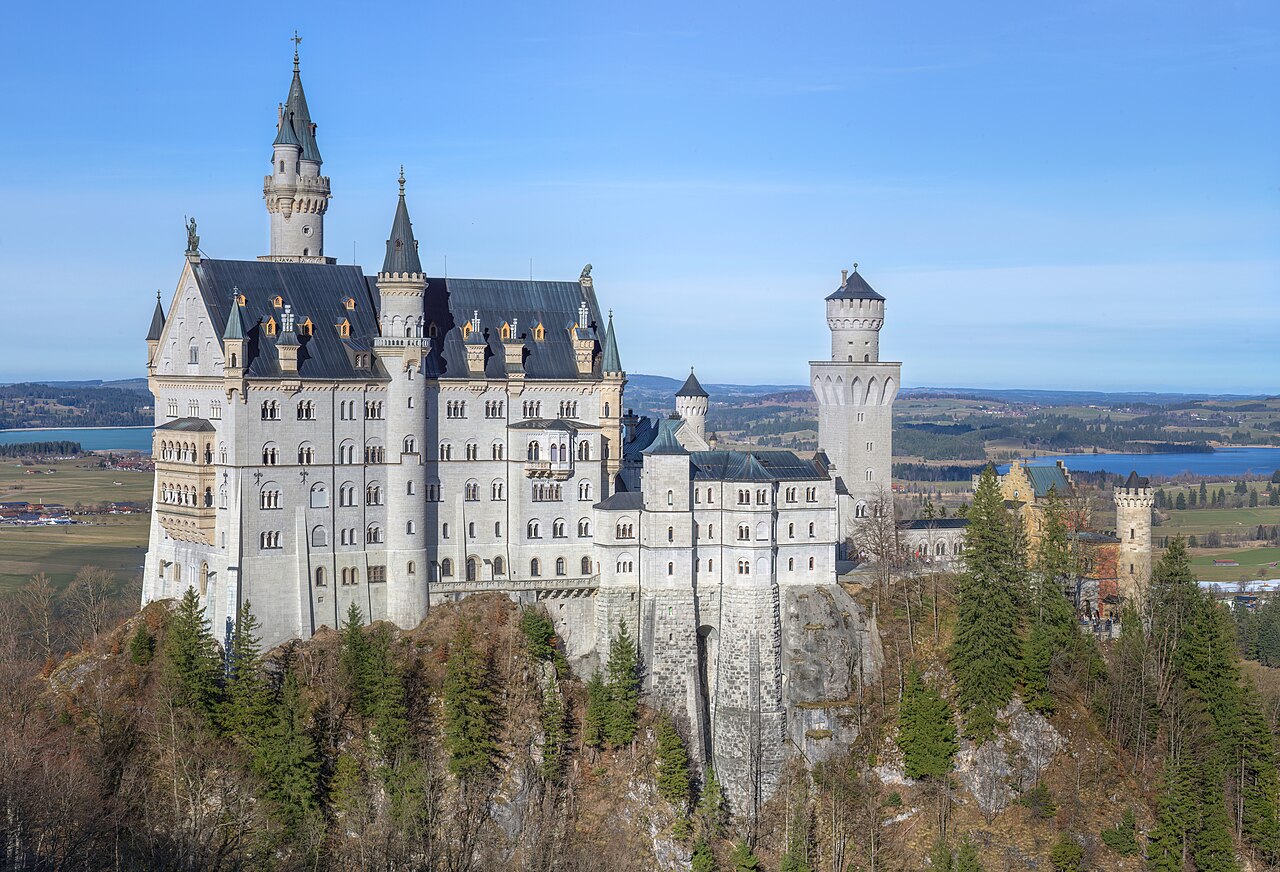
This is the classic, and for most first-time visitors it is the one to pick. Guided coach tours run for roughly ten and a half hours, with about two hours of driving each way, and many combine Neuschwanstein with Linderhof Palace. If you go independently, regional trains reach Füssen in about two hours, then a local bus runs to Hohenschwangau. The tickets are timed, so book ahead, and the climb to the castle is steep. The tour is the easier choice for a first visit, and the train gives more freedom. If you can spare a night, staying in Füssen is a better experience than a long day.
Herrenchiemsee: the Versailles copy on an island
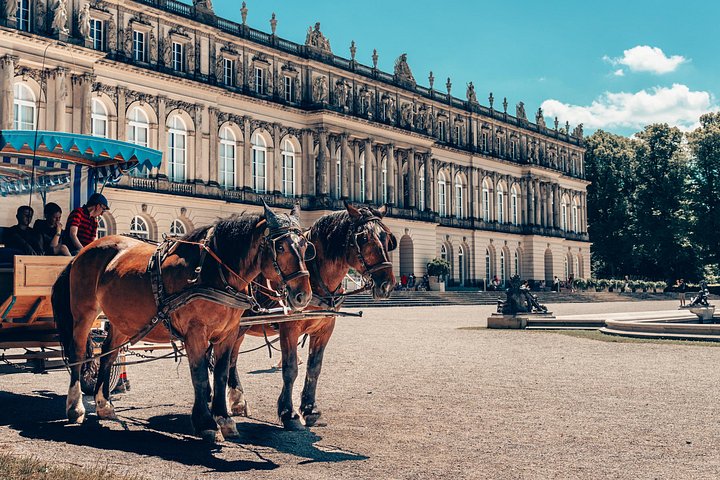
Herrenchiemsee Palace sits on an island in Lake Chiemsee, and it is Ludwig II's tribute to Louis XIV. Trains from Munich reach Prien am Chiemsee in about an hour, followed by a short walk or steam tram to the harbour and a boat crossing of around fifteen minutes. A walk of about twenty minutes through the island leads to the palace, which is visited on a guided tour. The rail-and-boat day trip lasts about nine and a half hours and also visits the nearby Fraueninsel. This is the calmest of the four, with fewer crowds and no steep climb, and it suits travellers who want a lakeside day.
Königssee and Berchtesgaden: the fjord-like lake
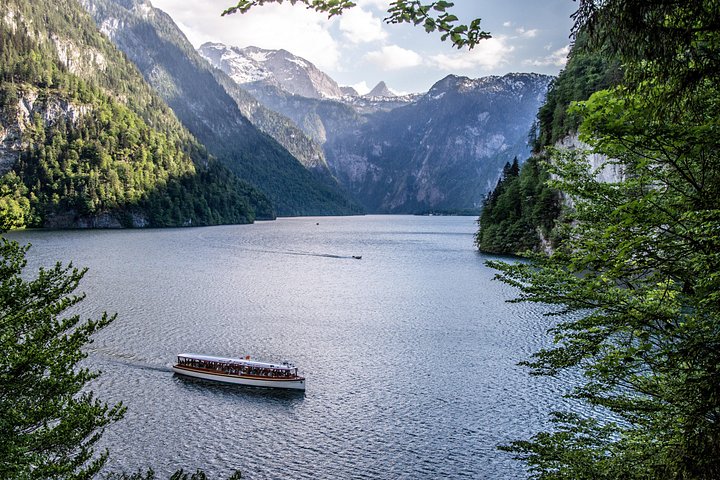
Königssee is a long, narrow alpine lake in the Berchtesgaden National Park, crossed by silent electric boats to the red-domed chapel of St. Bartholomä. The drive from Munich takes about two hours each way, so day trips last about ten hours and often add a visit to the Berchtesgaden salt mine. It is the most dramatic scenery of the four and the farthest from Neuschwanstein, so treat it as its own excursion. Check boat operation if you go in winter, because ice and wind can reduce the service.
The Zugspitze: Germany's highest peak
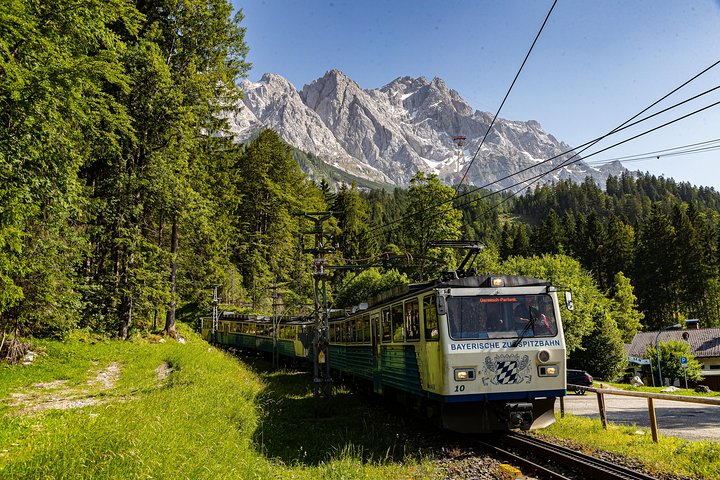
The Zugspitze day trip heads for Garmisch-Partenkirchen and the Eibsee, then climbs by cable car and cogwheel train to a summit at 2,962 metres. Trains from Munich reach Garmisch in about ninety minutes, and a bus runs on to the Eibsee. Guided day tours last about eight hours, and some add a gorge or the village of Mittenwald. The view depends entirely on the weather, so check the webcams and forecast before you buy a ticket. It is the best choice for mountain lovers and works in both summer and winter.
Tour or train?
A guided tour handles the timing, the tickets in some cases and the transport, and it suits people who dislike planning or who have only one day. A train trip is cheaper and flexible, and regional day tickets, such as the Bayern-Ticket, can be good value for groups, but check the current terms on the rail company website. For Herrenchiemsee and the Zugspitze, public transport works well. For Königssee, the trip is long by train, and a tour is easier. For Neuschwanstein, either works, but reserve castle tickets in advance in both cases.
Which one to pick
Choose Neuschwanstein if this is your first trip and you want the iconic image. Choose Herrenchiemsee if you want a Ludwig palace without crowds and a gentle lake day. Choose Königssee for scenery and a boat ride. Choose the Zugspitze for a high mountain view or snow. If you have two days, pair the castles with Herrenchiemsee or the Zugspitze, and give each a day of its own.
Tips for all of them
Start early, because every one of these involves a long day and fixed timings. Wear layers and sturdy shoes, since weather in the foothills changes quickly. Carry some cash for small cafes and fares. Check what a tour price includes, particularly admission and boat fares, which are not always part of the price. And remember the castle closures on 24, 25 and 31 December and 1 January when you plan a winter trip.