The Bavarian Alps change character with every season, and the right time to visit depends on what you want. Castles are open all year, but the lakes, gardens, lifts and walking paths follow the weather. Here is how each season works, stated plainly.
Summer, June to August: long days and big crowds
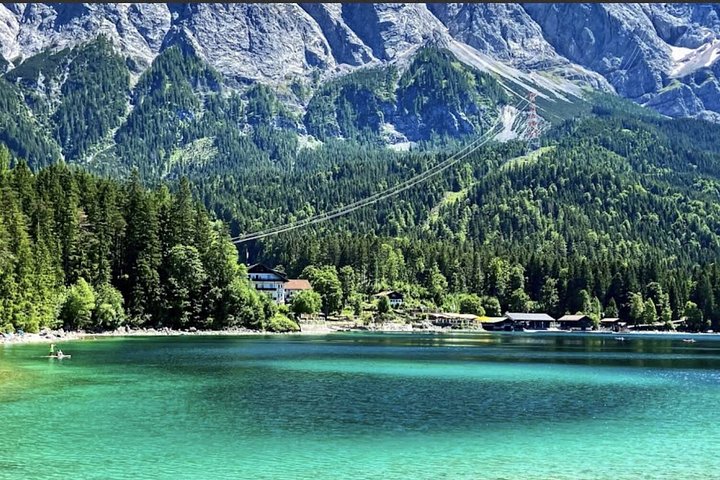
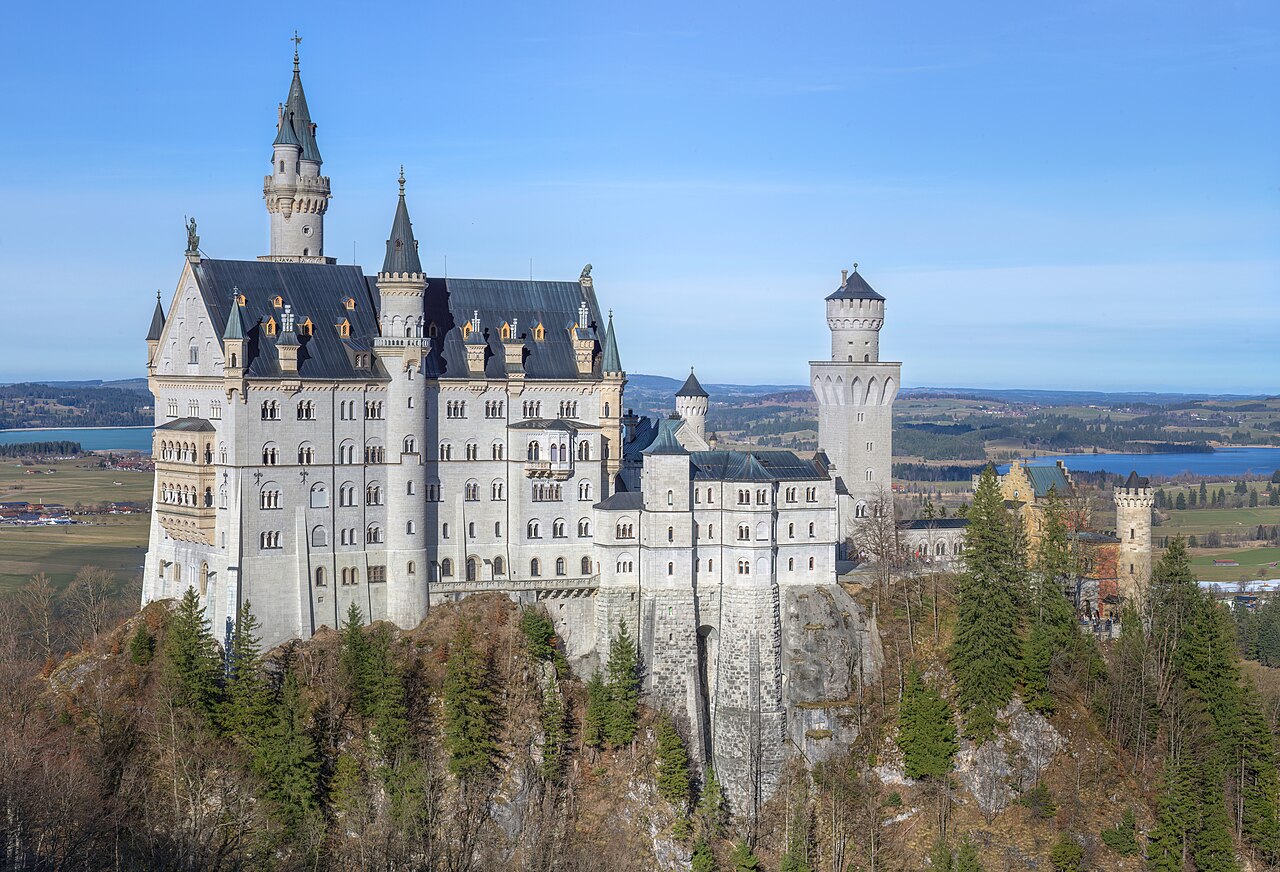
This is peak season. Neuschwanstein and Hohenschwangau run on longer hours than in winter, and the queues for the shuttle bus, the carriage and the ticket centre are at their longest. Timed tickets sell out well in advance, so reserve as soon as you know your dates. The compensation is that everything is open. Linderhof's park, fountains and garden pavilions are open in the warm season, the Alpsee lido is open from May to October on fine days, boats can be rented on the lake, and the Tegelberg summer toboggan run operates from roughly spring to early autumn. The Eibsee is warm enough for swimming, and the mountain paths are clear. Expect afternoon thunderstorms in the mountains, and start early to avoid both crowds and clouds.
Autumn, September to October: the best balance
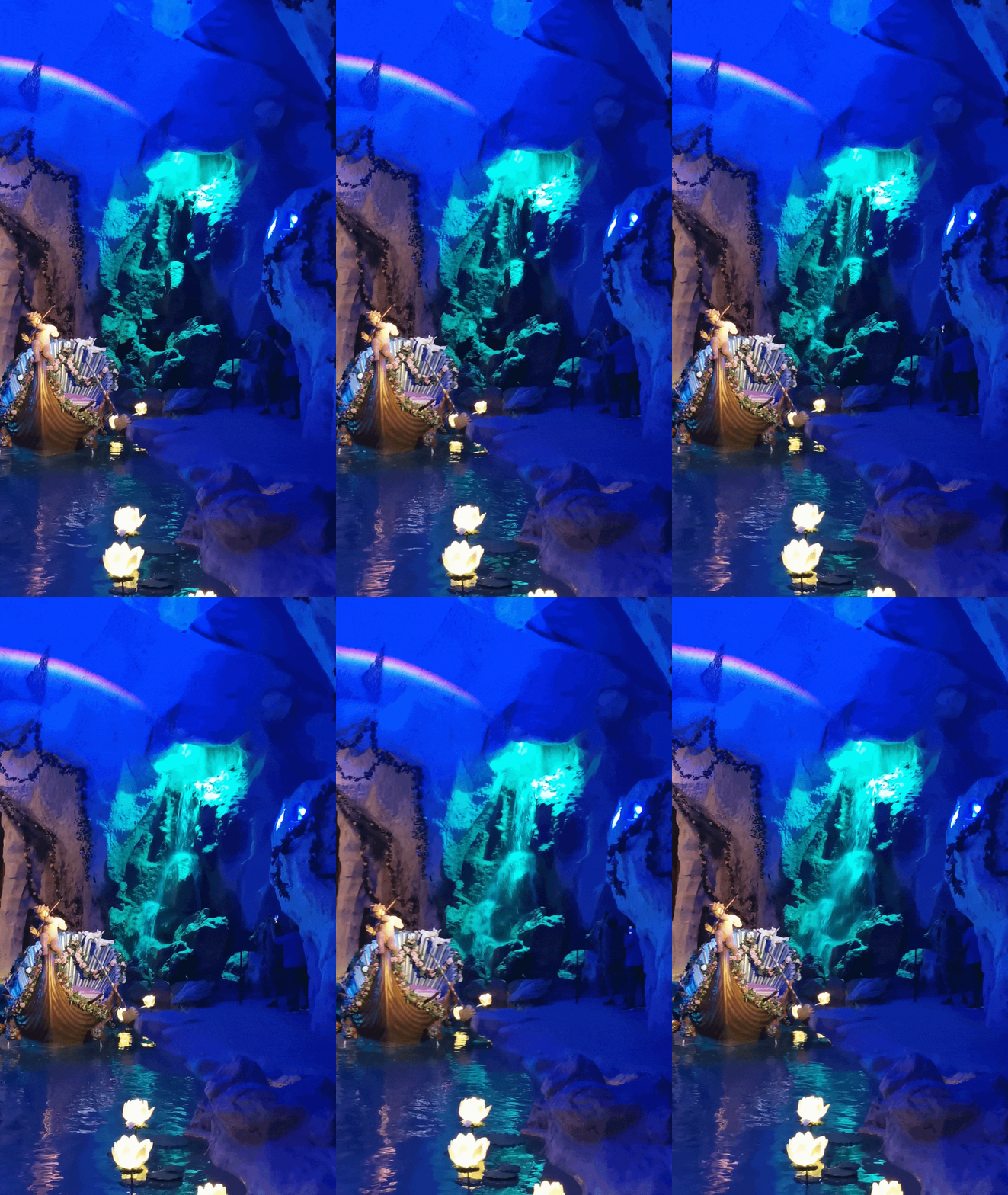
Early autumn keeps most of the summer facilities with thinner crowds, soft light and cooler walking weather. From mid October the castles move to a winter schedule, with tours running daily from ten to four, and Linderhof shifts to winter hours as well, with the grotto and most park buildings closed until mid April. Autumn colour on the lakes, especially around the Alpsee and the Eibsee, is a highlight. Weather can turn quickly, so pack layers and a rain jacket. If you want castles with fewer people and few compromises, late September and early October are hard to beat.
Winter, mid October to late March: quiet, white and selective. Winter is the season when Neuschwanstein is least crowded, and a snowy morning on the towers is the image many people come for. The practical facts matter. The castles are closed on 24, 25 and 31 December and on 1 January. The Marienbrücke bridge, which gives the classic view, closes when ice or snow makes it unsafe, and the shuttle bus runs only when the road is clear, so the climb on foot can be steep and slippery. Wear shoes with grip. The Tegelberg cable car has a maintenance break in early winter, depending on snow, so check its schedule. Linderhof's interior is open, but its park is closed. In the mountains, the Zugspitze offers skiing and a snowy summit, the Partnachklamm gorge fills with icicles and frozen waterfalls, and the Eibsee supports skating and winter walks. Oberammergau and Garmisch have cleared paths and cross-country tracks. Days are short, so start early and plan one big outing rather than two.
Christmas markets
Advent brings markets to towns across the region, including Mittenwald, with mulled wine, gingerbread and carved wooden ornaments. They make a lovely evening excursion, but remember the castle closures on 24, 25 and 31 December and plan your tours for other days. Accommodation fills in the weeks around Christmas and New Year, so book early.
Spring, April to May: thaw and reopening
Spring is a transition season. Lower trails are green and flowers appear in the meadows, while higher paths can still hold snow or mud. Linderhof's park and fountains reopen from mid April, the lido and boat rental on the Alpsee start in May, and the lakes are quiet and clear. The Tegelberg and the Zugspitze may still be snowy, which is good for views but affects walking plans. It is a good time for a castle trip with moderate crowds and a few options still closed, so check what is running when you go.
Our pick
For castles alone, go in winter on a weekday morning, or in early autumn. For lakes, gardens and swimming, choose July or August and accept the crowds. For mountains and gorges, pick a clear spell in summer or early autumn for the views, or winter for the ice effects. If you can choose any week, aim for late September.
Planning tips for any season
Mountain weather changes fast, so check the forecast and webcams before committing to a lift. Book timed castle tickets as early as possible. Bring layers even in summer, because mornings and heights are cool. Allow a buffer in your plan for buses and parking, which are slower in peak periods, and consider a night in Füssen or Schwangau so you can start early.