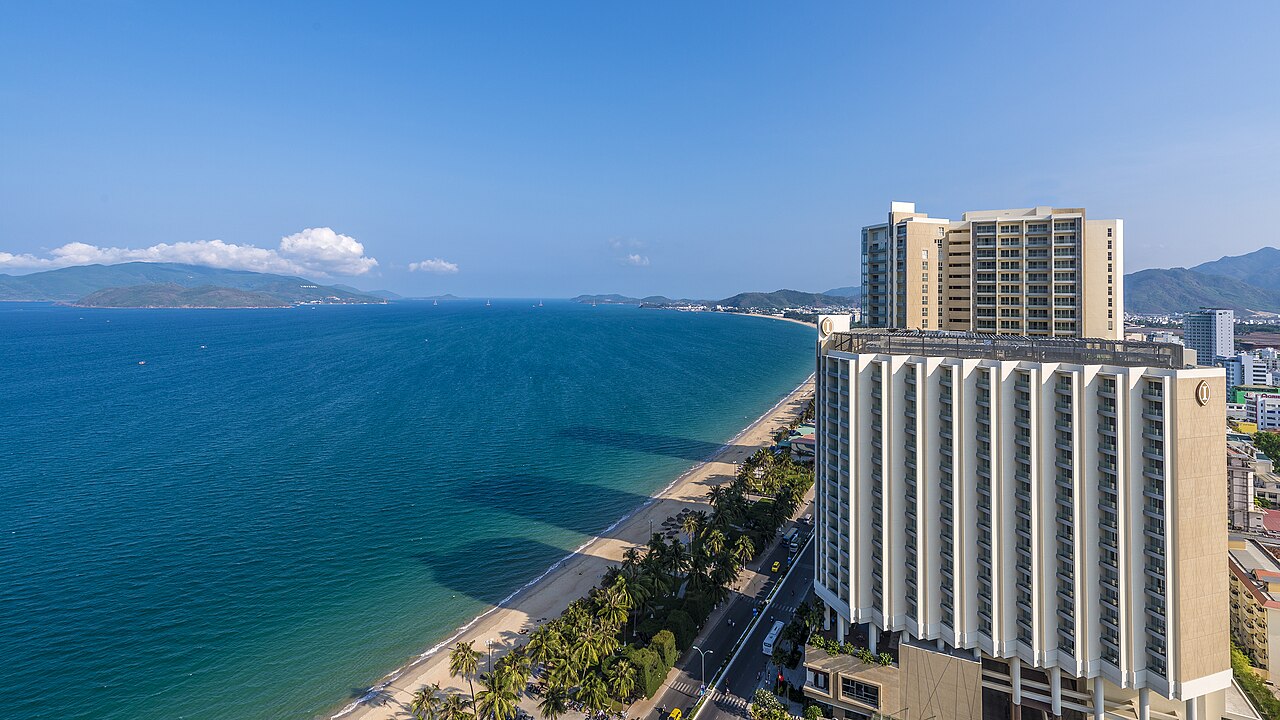
Nha Trang is Vietnam's classic beach city: a seven-kilometre curve of sand with a promenade, a bay of nineteen islands, a Cham temple complex on a hill, a famous mud-bath tradition and some of the best seafood on the south-central coast. It is easy to enjoy in three or four days, and the trick is matching your activities to the weather, because the city sits in the central Vietnam rainy and typhoon season from roughly September to December.
Be plain about the wet season
From roughly September to December seas can be rough, boats can be cancelled and diving visibility drops, with local dive guides noting that many operators scale back from October to December. Storms can send waves over the seawall onto the seafront road, and captains refuse passengers when the sea is rough. Treat every sea trip as weather permitting, book it early in your stay and keep land-based plans in reserve.
What to book ahead
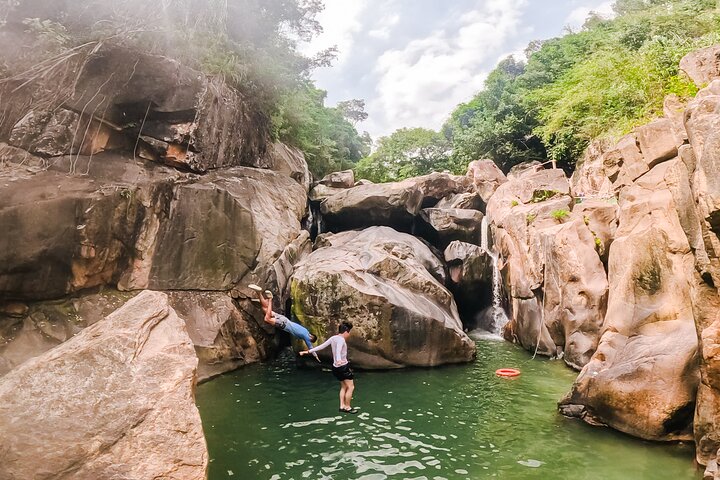
Very little needs booking weeks out, but a few things reward it. The VinWonders Nha Trang visit, with its cable car across the bay, has ten ticket types, including multi-day passes and cheaper late-entry versions, so choose one in advance. Island trips, a Hon Mun snorkelling morning and a discovery dive are best booked a day or two ahead, once you have seen the forecast. The Ba Ho Waterfalls trek and the scooter food tour are good for your first or second night, because they leave room to reschedule.
The sea days
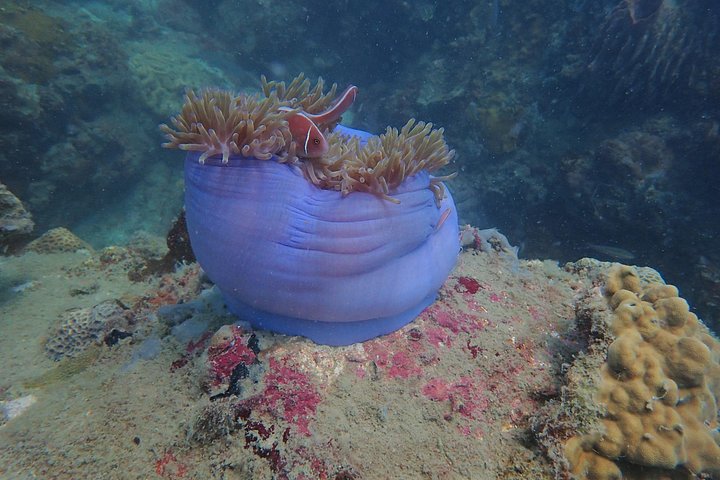
The Hon Mun marine park, set up in 2001 as Vietnam's first marine protected area, is the headline for snorkelling and diving. The half-day snorkelling trip is cheap and well reviewed. The Hon Mieu and Hon Tam tour is an easier full day with lunch, good for families. Discovery diving needs no certification but is the activity most affected by the rainy season, so keep a spare day and read the refund terms.
The land days
Po Nagar Cham Towers, built in 965 on a hill beside the Cai River, is the essential historic site, and Long Son Pagoda, with its 24-metre white Buddha reached by 193 steps, is the best-known temple. Both are cheap, short and good in showers. The Ba Ho Waterfalls are a half-day swim and scramble, and the I-Resort and Thap Ba mud baths are the perfect antidote to a rainy afternoon. On the promenade, walk the beach at sunrise when locals swim, and eat seafood in the evening.
How to get around
The city is compact along the beachfront, so you can walk between the promenade, restaurants and many hotels. For Po Nagar, Long Son, the harbour and the mud baths, taxis and ride-hailing apps are cheap and easy. Tours include hotel pickup in the centre, but guests staying farther out, such as at Cam Ranh or the northern resorts, sometimes pay a surcharge. Cam Ranh International Airport is the gateway, about fifty minutes to the InterContinental and longer to the northern resorts, so arrange a transfer.
How many days
Three days covers the essentials: one for the bay, one for Po Nagar, Long Son and the mud baths, and one for Ba Ho or VinWonders. Four or five gives you a spare weather day, a food tour and time to do nothing. If you are visiting in the rainy season, add a day to your plan rather than cutting one.
Practical notes
Carry small notes for entrance fees, such as the small charge at Po Nagar, dress modestly at temples and bring sun protection, insect repellent and a light rain jacket. Agree seafood prices before you order, since many restaurants sell by weight. Check the forecast each evening, and ask your hotel's tour desk to rebook sea trips when the weather turns.