Nha Trang has a reputation as a beach city with good weather, and for much of the year that is deserved. But the south-central coast has a distinct pattern that is worth understanding before you book, because it affects boat trips, diving, visibility and even the mood of the seafront. In short, the dry season from roughly January to August is the best time to visit, and the rainy and typhoon season from about September to December is the riskiest.
The dry season, roughly January to August
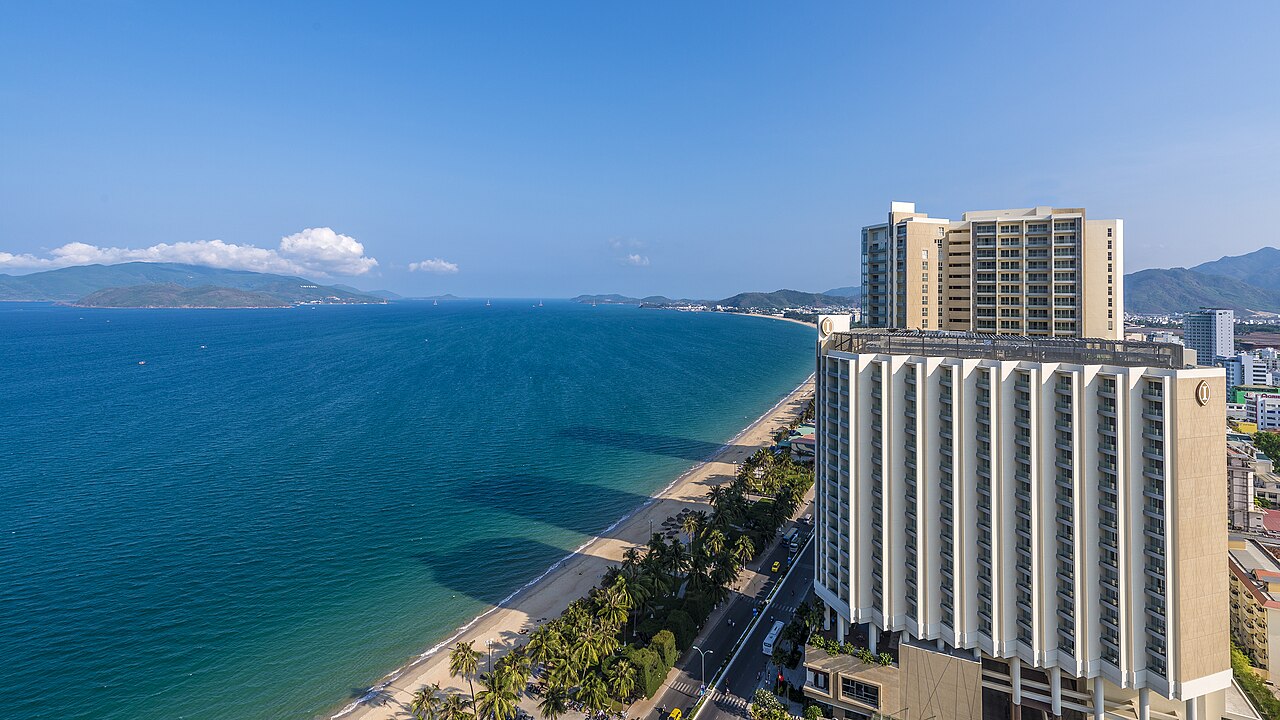
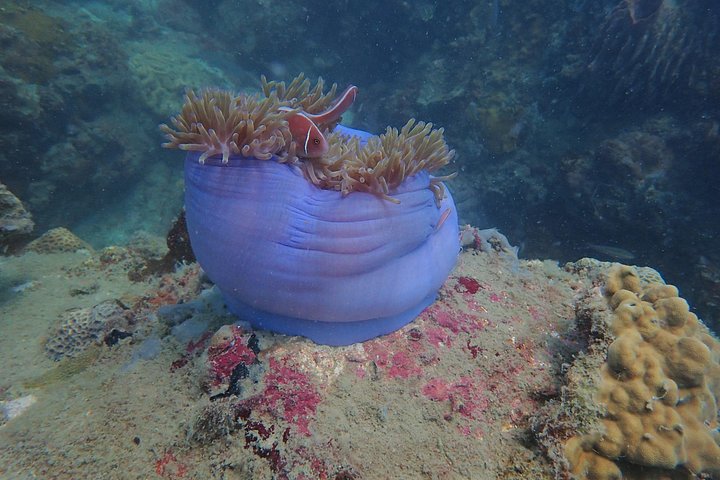
This is the prime period for a beach holiday. Skies are mostly clear, the sea is calmer and the islands are at their best, with good visibility for snorkelling and diving. Temperatures are warm to hot, and from around May to August the heat can be intense in the middle of the day, so plan outdoor sights for the morning and late afternoon. February to April is often seen as the sweet spot, with warm weather, lower humidity and comfortable sea conditions. Summer, from June to August, is also popular and is the busiest time for domestic tourists and school holidays, so book hotels and popular tours early.
The rainy and typhoon season, roughly September to December
This is when central Vietnam gets most of its rain, and storms can bring heavy downpours, strong wind and rough seas. Not every day is wet, and many travellers have good weather, but there is a real risk that boat trips are cancelled, diving is limited and visibility drops. October and November are usually the wettest months, and storms occasionally send waves over the seawall onto the seafront road. If you are visiting in these months, treat every sea trip as weather permitting, book early in your stay so that you can reschedule, and keep land-based plans in reserve.
Shoulder months
Late August and early September, and December into January, are transitional, and conditions vary from year to year. These can be good times to visit if you want fewer crowds and lower prices, as long as you stay flexible. Check the forecast a few days ahead and be ready to swap days.
Planning around the rain
The best wet-season plans have a mix of indoor and covered activities that do not depend on the sea. Mud baths and hot springs are comfortable in the rain, temples such as Po Nagar and Long Son are short and cheap, and a food tour, cooking class or theatre show fills an evening whatever the weather. VinWonders has indoor areas and a sauna zone, though outdoor rides and the cable car can pause in strong wind. Sea trips are best booked a day or two ahead, once the forecast is clear, and the cancellation terms are worth reading carefully. A hotel with a good pool and restaurant gives you somewhere to enjoy when the beach is not an option.
Activities by season
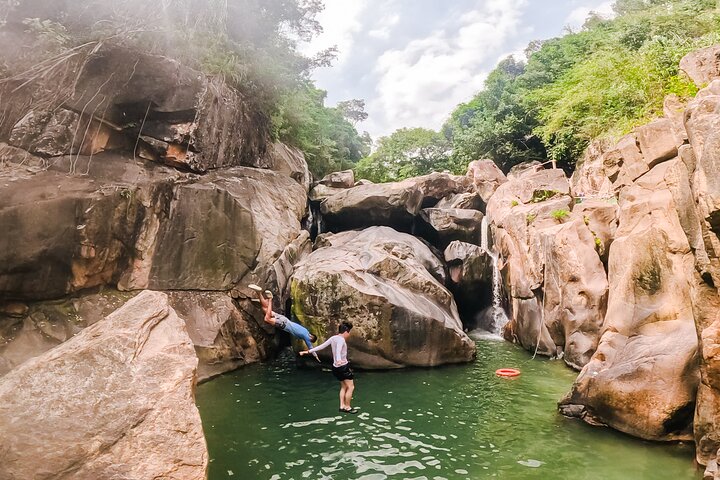
In the dry months, add island hopping, snorkelling, sea walking, diving, beach days at Doc Let and longer day trips such as Da Lat or Vinh Hy Bay. In the wet months, lean towards culture, food, spas and the highlands, remembering that mountain roads can be slow in heavy rain. Waterfall treks such as Ba Ho are at their fullest after rain but become slippery and sometimes unsafe, so ask your operator about conditions before you go.
Crowds and prices
Peak periods are the Lunar New Year, known as Tet, which usually falls in late January or February, and the summer months. Hotels fill and rates rise at these times. The wet season is quieter and cheaper, which suits flexible travellers willing to accept some weather risk. If you can only travel in the wet months, add an extra day or two to your trip rather than cutting one, so that there is room to rearrange.
Choosing a hotel by season
In the dry season, a beachfront or island resort lets you enjoy the sea, and a place such as Amiana or Vinpearl suits families who want pools and space. In the wet season, a central hotel gives you the most options when plans change, because restaurants, tour desks and spas are on your doorstep. Remote stays carry more weather risk because transfers depend on the sea, so prefer flexible rates if you book one.