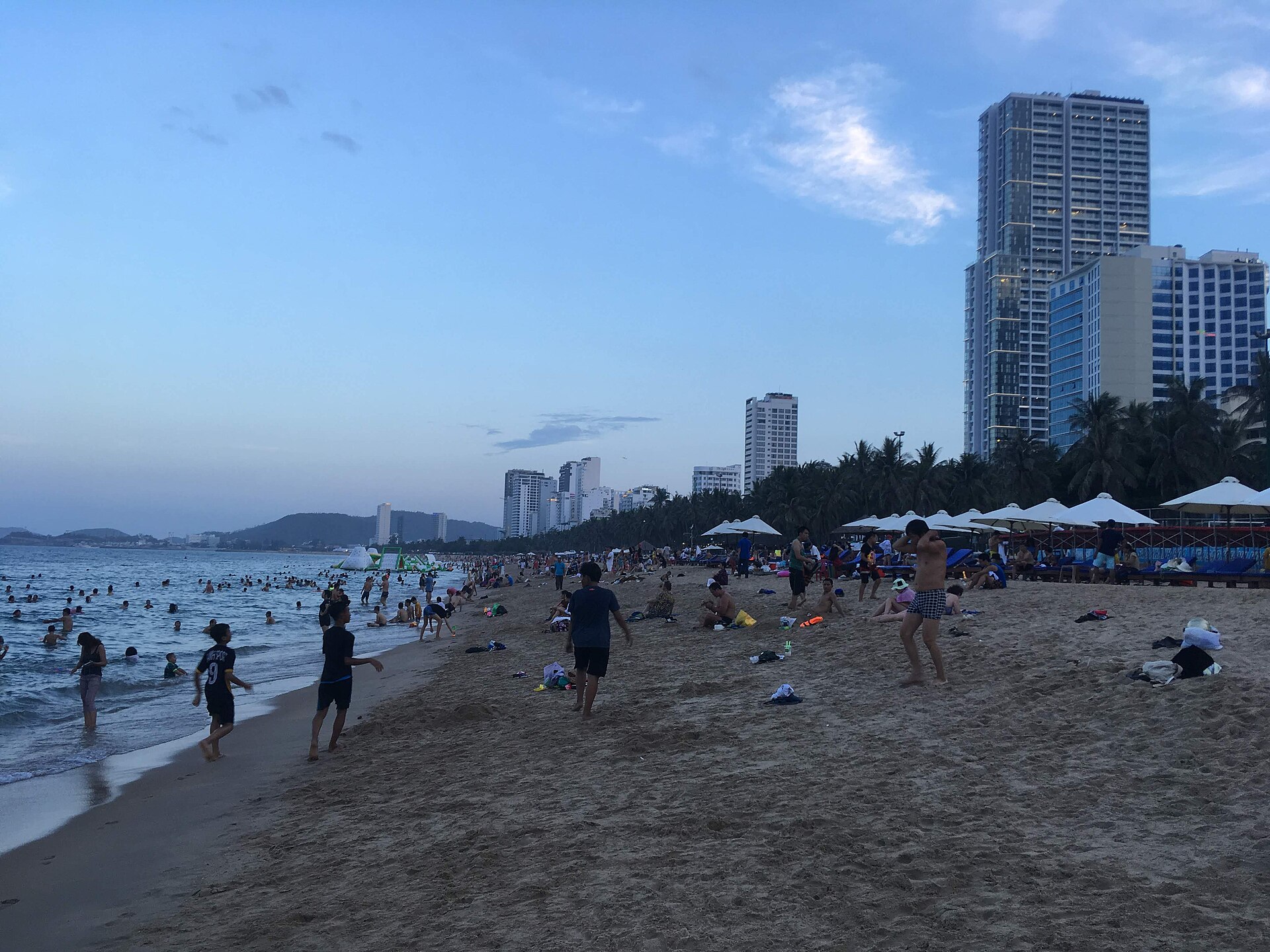
Most first-time visitors to Nha Trang follow the same loop of beach, islands and temples, and it is a good loop. But the city has a second layer for those who stay longer or want something different: a set of evening experiences on the water and from above, and a group of outdoor days in the hills behind the coast. This guide pulls them together and suggests how to fit them into a stay.
Evenings on the water
The bay changes character after four in the afternoon. A sunset dinner cruise puts you on deck for the golden hour, with a set meal and the city lights coming on across the water. A night squid fishing trip is the local alternative, with lamps, lines and a simple meal, and it gives a feel for the port's working life. Both depend on calm weather, so plan them early in your stay and keep a spare evening in case the sea is rough.
Evenings on land
If the sea is not cooperating, the city has easy options. The pedicab food tour is a slow, scenic way to taste the streets, the puppet show is a dry, family-friendly evening, and a rooftop deck gives a panoramic view with a drink. A walk along the promenade at dusk, when locals exercise and families gather, costs nothing and is one of the best free things to do.
Quiet water by day or dusk
For a gentler way onto the water, a guided stand-up paddleboard session on the Cai River at sunset is easy for beginners and rewards you with calm water, fishing boats and soft light. The basket boat trip offers a slower, more traditional way to see the same river, and the countryside tours show the wider valley. These suit travellers who want to be active without the noise of a party boat.
Waterfalls and forest
Behind the coast the land rises into green hills. The Ba Ho Waterfalls are the closest and most athletic, with a trek, scrambling and swimming. The Yang Bay waterfall trip is a more developed park setting with paths and pools, and suits families. The Hon Ba Nature Reserve is the most remote, a cool mountain forest reached by a long ride, with streams, a waterfall and a sense of being far from the beach. Choose one according to your energy, and go after the wet season when the water is flowing.
Flying and fast thrills
For an aerial view of the coast, a tandem paramotor flight follows the shore at low altitude and gives a perspective that no boat can match. It depends on wind and visibility, so book early and keep a spare slot. If you prefer to stay on the ground, the sky deck on a seafront tower gives a similar sweep with less adrenaline.
Eating around the activities
Late departures and returns change when you eat, so plan dinner around the activity rather than the other way round. Cruises and fishing trips usually serve a meal, the food tour is dinner in small portions, and after a rooftop visit the seafront has restaurants open late. After a long forest or waterfall day, a simple noodle soup and an early night is often the best reward.
How to fit it together
A four-day plan could look like this: day one for the beach and promenade, day two for an island trip and a sunset cruise, day three for a waterfall or forest day and a food tour, day four for the temples, the mud baths and a rooftop view. If you only have three days, swap the forest day for an extra bay day and keep one evening for the cruise.
Weather and timing
The rainy and typhoon season runs from roughly September to December, and sea trips, flights and paddling sessions are the first to be cancelled. Land-based options such as the food tour, the puppet show and the cooking class are good fallbacks. Always check the forecast and the operator's rebooking terms, and avoid scheduling a weather-dependent activity on your last day.
Practical tips
Bring a light rain jacket, insect repellent, sun protection, grippy shoes and a dry bag. Tell operators about allergies, health issues and swimming ability, and use the life jackets provided. Carry small notes for snacks and tips, and keep your phone protected in wet settings. Dress modestly at temples, and keep your voice down on the water in the evening, when sound carries.