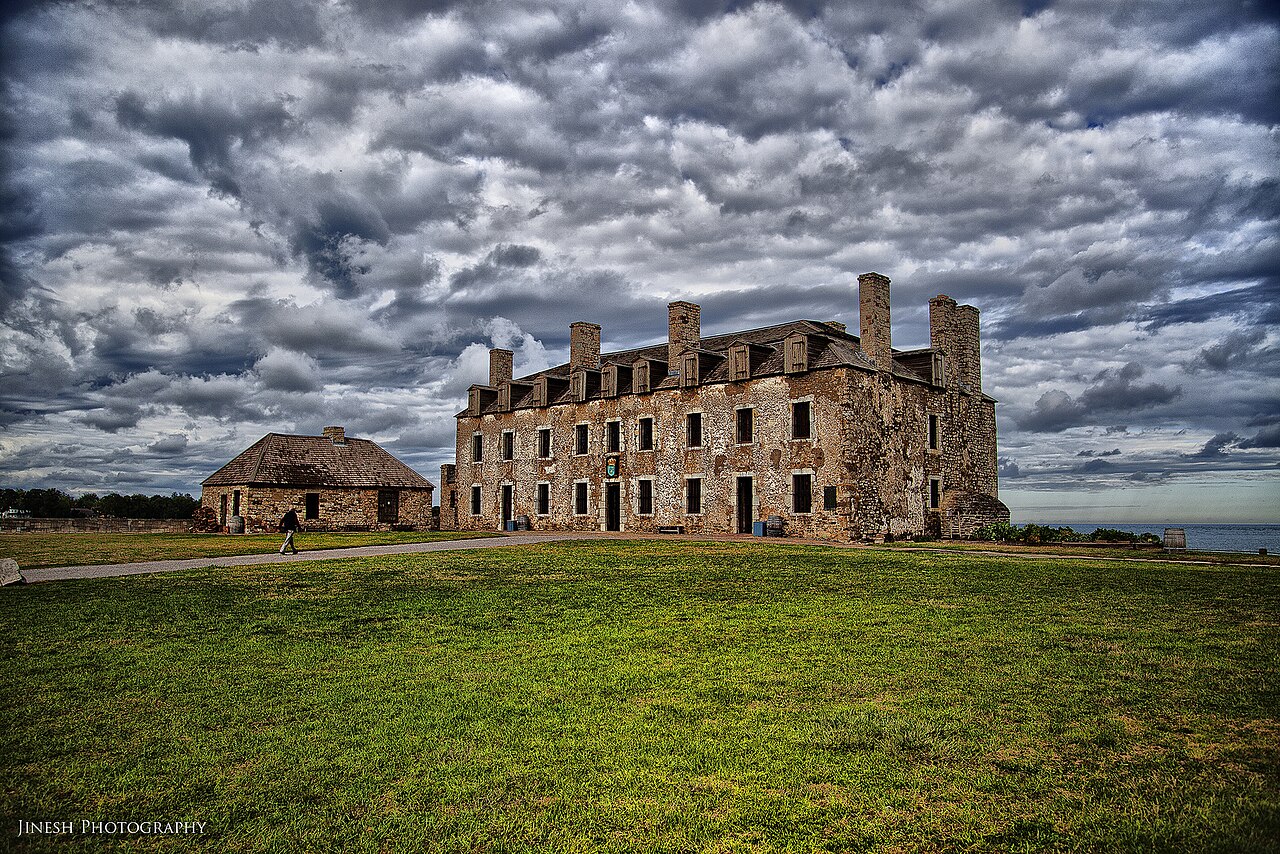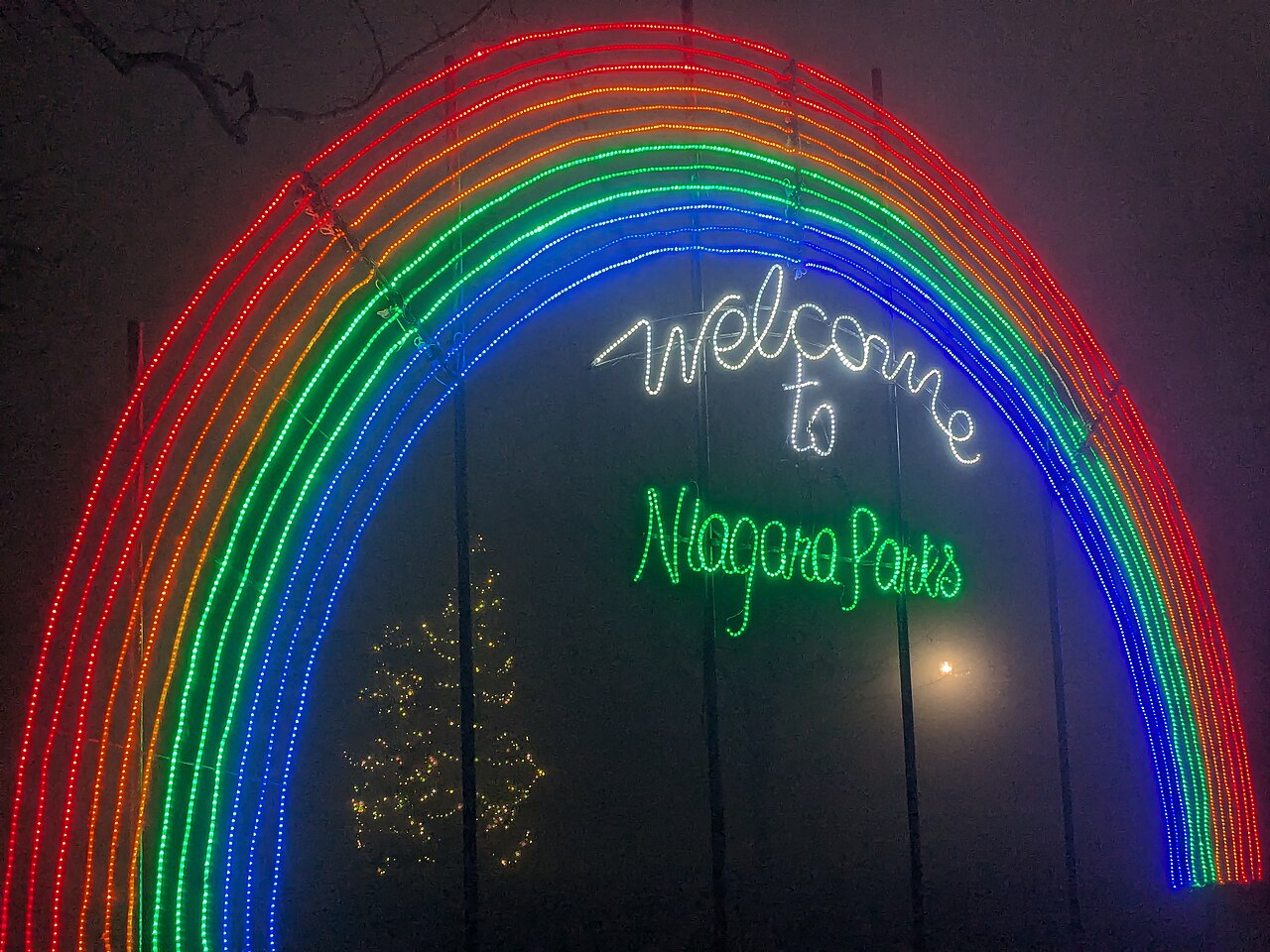
Niagara-on-the-Lake is the counterweight every Niagara trip needs. After the roar of the falls and the neon of Clifton Hill, this small town where the Niagara River meets Lake Ontario feels like another country: tree-lined streets of carefully preserved 19th-century houses, a main street of independent shops and cafés, flower baskets, historic inns and a quiet waterfront. It is about twenty-five minutes north of the falls by car along the Niagara Parkway, one of the loveliest drives in Canada, past the Floral Clock, Queenston Heights and the edge of wine country. The heart of the Old Town is Queen Street, with its clock tower memorial, its boutiques and gift shops, its old-fashioned apothecary museum and its bakeries and tea rooms, and the surrounding blocks are lined with the period houses and inns, including the Prince of Wales, that make the town look the way it does. History runs deep. As Newark, the town served as the first capital of Upper Canada in the 1790s, and in December 1813, during the War of 1812, American forces burned it almost to the ground as they withdrew; much of what you see was rebuilt in the decades afterwards, which explains the remarkable unity of its Georgian and early Victorian streetscape. On the edge of town, Fort George National Historic Site recreates the British post that defended this frontier; it is seasonal, open from spring through the start of November, with limited late-season days. The town is also home to the Shaw Festival, one of the major repertory theatre companies in North America, whose main season runs from spring into autumn. In winter, the Old Town is quieter and especially pretty when the holiday decorations go up, and it makes a perfect half-day combined with an icewine tasting at a nearby estate winery.
How to spend the visit: park once and walk. Start at the clock tower on Queen Street and browse eastward, detouring down the side streets to see the historic homes and churches, then walk down to the waterfront park at the mouth of the river, where Fort Niagara is visible on the American shore opposite, a reminder that the two forts once glared at each other across this water. Queen's Royal Park is the classic spot for a lake view. In season, Fort George adds an hour of living history; the Shaw Festival theatres sit close to the centre, and an afternoon matinee is one of the great pleasures of a summer or early autumn trip. For the 2026 holiday season, the Shaw's Christmas production is staged in Toronto rather than in town, so check the festival schedule if theatre is on your list.
Food, wine and the drive: the town is the gateway to Niagara's wine country, with dozens of estate wineries within a short drive, many open year-round for tastings, and icewine is the regional speciality. Parking in the Old Town is metered and busy on summer weekends; in the off-season it is easy. The Niagara Parkway route north from the falls is the scenic way in, and it passes the Botanical Gardens, the Butterfly Conservatory, the Floral Clock and Queenston Heights, all worth a stop. Cyclists use the paved recreational trail beside the parkway in the warmer months.
Who it suits: couples above all, for an unhurried afternoon of strolling, shopping, dining and wine; history buffs, for the War of 1812 sites and the heritage streetscape; and first-time visitors who want to see the gentler side of Niagara. Families will enjoy the fort and the waterfront in season, though the town's boutique character is more adult. Expect higher prices than Niagara Falls proper for food and lodging, and quiet evenings in winter; if you want a romantic base for a longer stay, the town's historic inns are among the best places to stay in the region.
What to expect
The experience
A walkable heritage town of preserved 19th-century streets, independent shops, cafés, historic inns, a lakefront park and, in season, Fort George and the Shaw Festival.
Best time
Year-round. Spring to autumn for the full town, the fort and theatre; late November and December for holiday decorations and quiet streets.
How long
A half day, or a full day with wineries and the parkway drive.
Tips
Drive up via the Niagara Parkway and stop at the Floral Clock. Park once and walk. Check Fort George and Shaw Festival schedules, as both are seasonal.
Quick picks
- Best for
- A slower, prettier half day away from the falls crowds.
- Families
- Fine for a stroll and the waterfront; Fort George is the family highlight in season.
- Couples
- Ideal: shops, tea rooms, historic inns and icewine tastings nearby.
- Pair with
- Inniskillin for icewine, Queenston Heights Park and the Floral Clock on the way.
- Time needed
- Half a day.
Good questions
How far is Niagara-on-the-Lake from Niagara Falls?+
About twenty-five minutes north by car along the Niagara Parkway, at the point where the Niagara River flows into Lake Ontario.
Is Niagara-on-the-Lake worth visiting in winter?+
Yes. The town is quieter and many shops, restaurants and nearby wineries stay open, and the streets are especially pretty with holiday decorations. Fort George and the main Shaw Festival season are closed in winter.
Is Fort George open in November?+
Its main season ran to 1 November in 2026, with only limited late-season days announced after that. Check Parks Canada before planning a visit; it reopens in spring.
Why does the town look so historic?+
It was the first capital of Upper Canada and was burned during the War of 1812, then rebuilt in the following decades, leaving an unusually intact 19th-century streetscape that is now protected as a heritage district.
Is there parking?+
Yes, mostly metered street and lot parking. It fills on summer weekends but is easy in the off-season.