Niagara Falls is one of the few world-famous sights where seeing it properly means crossing an international border, often on foot. The crossing is easy if you are prepared and frustrating if you are not. This guide covers the essentials; always check the official US and Canadian border agency websites before you travel, because rules can change.
The bridges
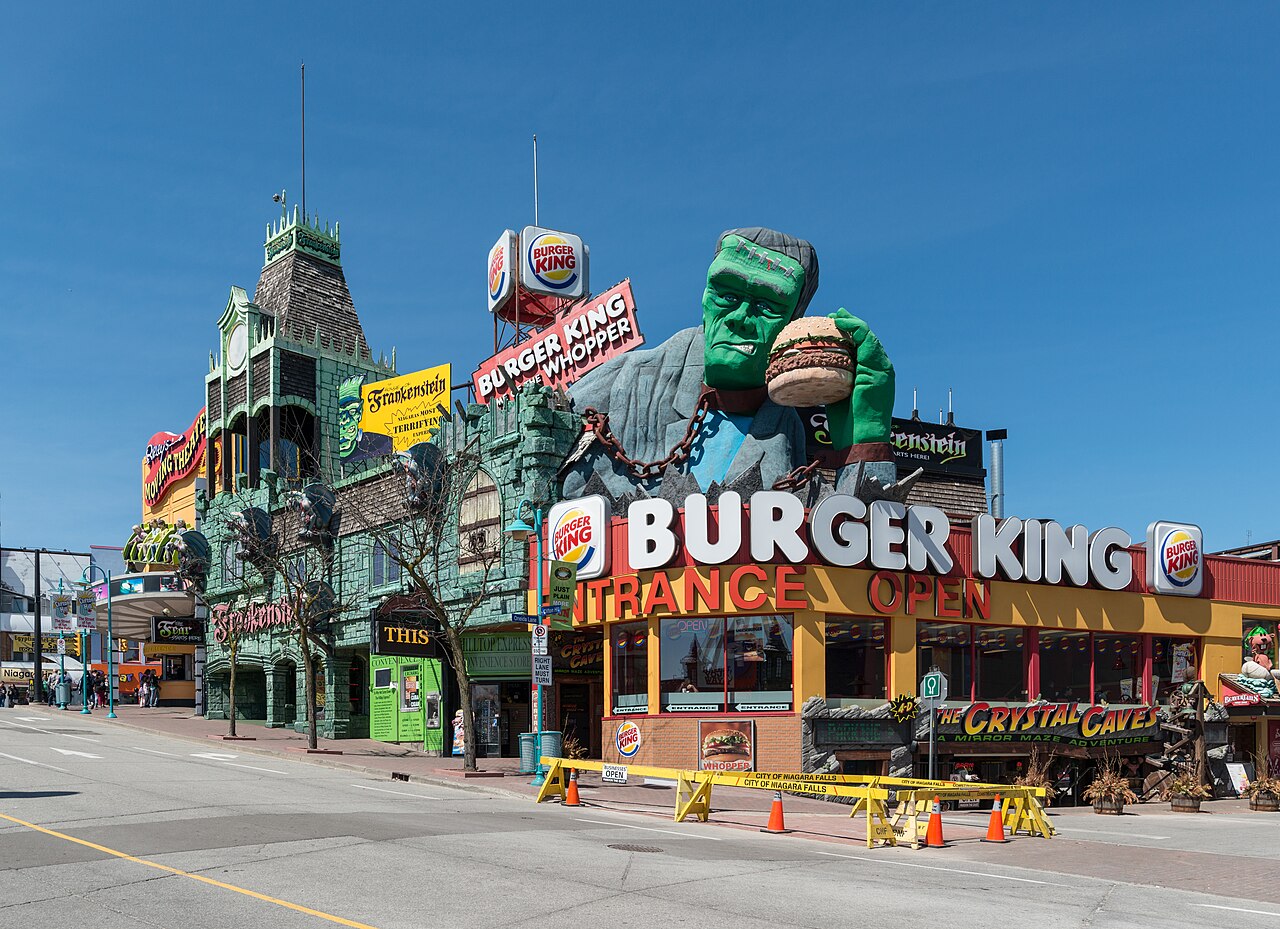
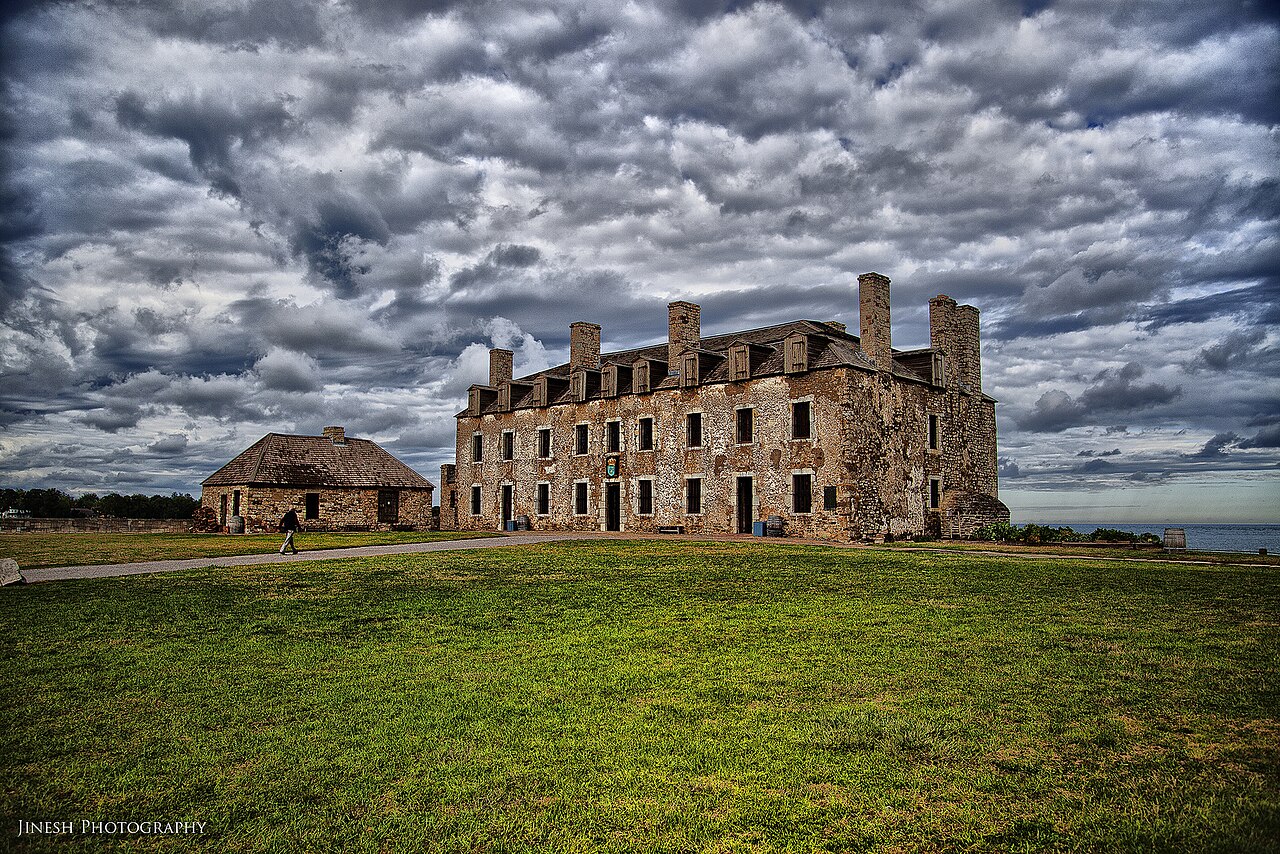
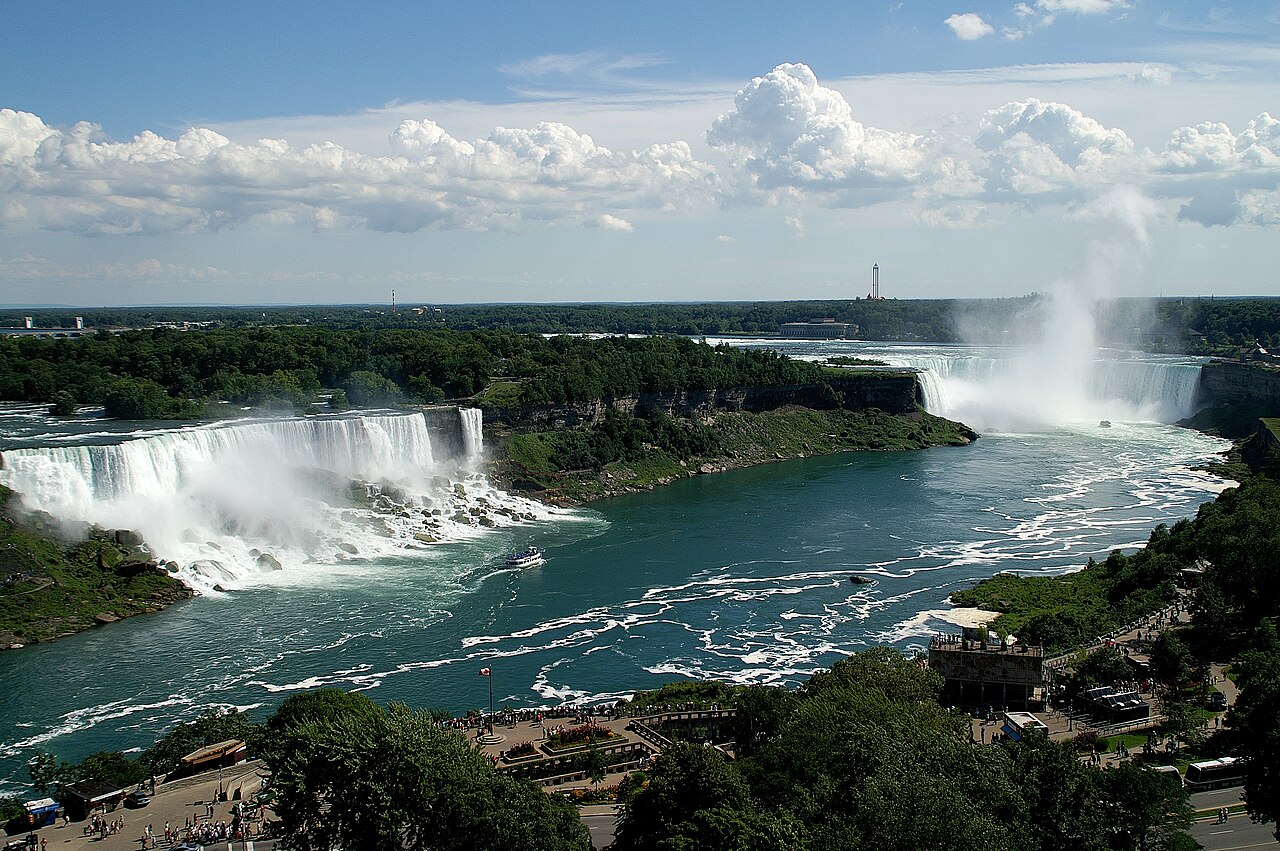
The Rainbow Bridge is the crossing most visitors use. It spans the gorge just below the American Falls, linking downtown Niagara Falls, New York, near the state park, with the bottom of Clifton Hill on the Canadian side. It carries cars, pedestrians and cyclists, and the walk across takes about fifteen minutes, with superb views of the American and Horseshoe Falls from the middle. There is a modest toll for pedestrians as well as for cars. Further downstream, the Whirlpool Rapids Bridge is limited to travelers in a trusted-traveler program, and the Lewiston-Queenston Bridge is the main highway crossing, convenient for Old Fort Niagara, Lewiston and Niagara-on-the-Lake. In Buffalo, the Peace Bridge connects to Fort Erie.
Documents for US and Canadian citizens
For land and sea crossings, US citizens need a document that meets the Western Hemisphere Travel Initiative: a passport, a passport card, a trusted-traveler card such as NEXUS, or an Enhanced Driver's License from a state that issues them. A regular driver's license is not enough. Canadian citizens need a passport, a NEXUS card or an equivalent accepted document to enter the United States. Children under sixteen who are US or Canadian citizens can generally use a birth certificate at land crossings, but carrying passports for the whole family is simplest. If you are traveling with children who are not your own, or as a single parent, carry a letter of consent from the other parent or guardian; border officers ask.
Documents for other nationalities
Visitors from other countries need a valid passport and whatever authorization their nationality requires for each country: a visa or, for many visitors from visa-waiver countries, an approved ESTA for the United States, and a visa where required for Canada. Canada's electronic travel authorization, the eTA, applies to travel by air, so check the rules for your nationality for a land crossing. Permanent residents should carry their residence card. If you are on a single-entry visa or have complicated immigration status, check carefully before crossing, because leaving the United States or Canada may mean you cannot re-enter on the same document.
Timing
Walking across the Rainbow Bridge is usually quick, but queues build on summer weekends, holiday weekends and during big events, especially for cars. Mornings are generally the fastest. Check posted wait times before you set off and allow extra time on the return leg if you have a dinner reservation or a flight. NEXUS members can use dedicated lanes at some crossings.
Rental cars
Most major rental companies allow cars to cross between the US and Canada, but check your agreement and carry the paperwork in the car, and confirm your insurance covers both countries. Many visitors avoid the issue by parking on one side and walking across the bridge.
What not to carry
Cannabis is legal in Canada and in New York State, but taking it across the border in either direction is illegal, even in small amounts. Firearms and many weapons are heavily restricted. Fresh fruit, vegetables, meat and plants may be restricted or confiscated. Declare large amounts of currency, and be honest with border officers about everything you are carrying; the duty-free shops by the bridges have their own allowances and rules.
Money
The Canadian side prices in Canadian dollars and the American side in US dollars. Many businesses near the falls accept both currencies, but often at an unfavorable exchange rate; a card that does not charge foreign transaction fees is the easiest way to pay on both sides. Keep a little change for the bridge toll.
A sample crossing day
Stay on the Canadian side and walk to the Rainbow Bridge from Clifton Hill after breakfast. Pay the toll, cross on foot enjoying the view, and clear US customs on the far side. Walk five minutes into Niagara Falls State Park, spend the day at Prospect Point, Goat Island and the Cave of the Winds, and return across the bridge in the late afternoon, clearing Canadian customs at the foot of Clifton Hill. With documents in order, the whole border experience usually adds well under an hour to the day.