Niagara Falls is simple to see and surprisingly easy to see badly. The falls are three cataracts on one river shared by two countries, and the first-timer's biggest mistakes are visiting only one side, paying for the wrong things, and arriving in a season without checking what is open. This is the briefing that avoids all three.
The geography in one paragraph
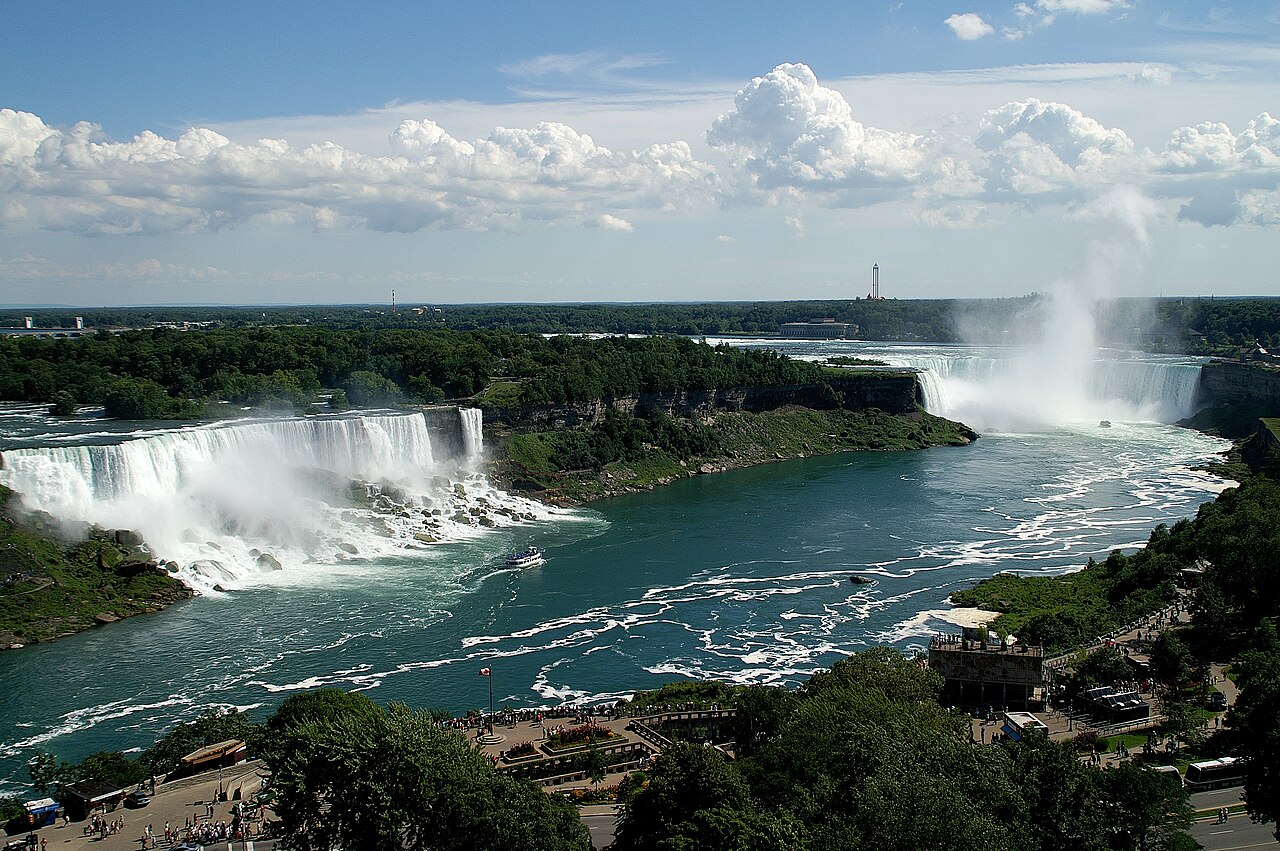
The Niagara River flows north from Lake Erie to Lake Ontario, and halfway along it drops over the falls. Goat Island, which belongs to New York, splits the river in two. On the western side of the island, the huge curved Horseshoe Falls carries most of the water and lies mostly in Canadian waters; on the eastern side, the American Falls and the narrow Bridal Veil Falls, separated by tiny Luna Island, drop onto a pile of fallen rock. Below the falls, the river runs north through a deep gorge, past the Whirlpool, toward Niagara-on-the-Lake and Old Fort Niagara at the lake. Two cities share the name: Niagara Falls, New York, and Niagara Falls, Ontario, linked by the Rainbow Bridge, which you can cross on foot.
Which side?
Both, if you possibly can. The Canadian side has the famous view: from the Niagara Parkway and Queen Victoria Park you look straight across at the American Falls and down the length of the Horseshoe, and the hotels, restaurants, Clifton Hill and the Skylon Tower are all here. The American side has the intimacy: Niagara Falls State Park, the oldest state park in the United States, puts you at the brink of the American Falls at Prospect Point, between the cataracts on Luna Island, and beside the Horseshoe at Terrapin Point, with far fewer people and no neon. Most visitors stay on the Canadian side for the views and the choice of hotels and spend a half day on the American side; the walk across the Rainbow Bridge takes about fifteen minutes, plus time at the border. Bring the right documents; our border guide covers them.
What is worth paying for
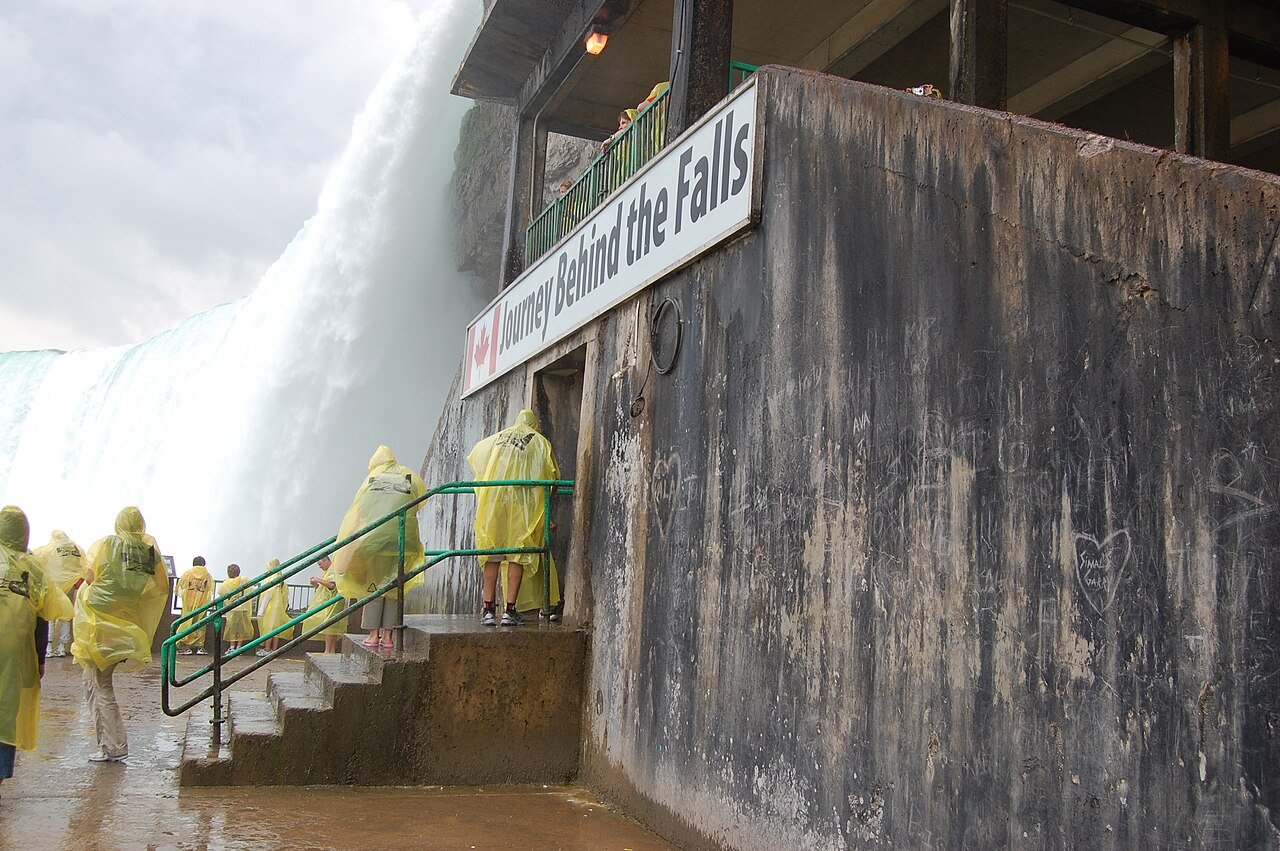
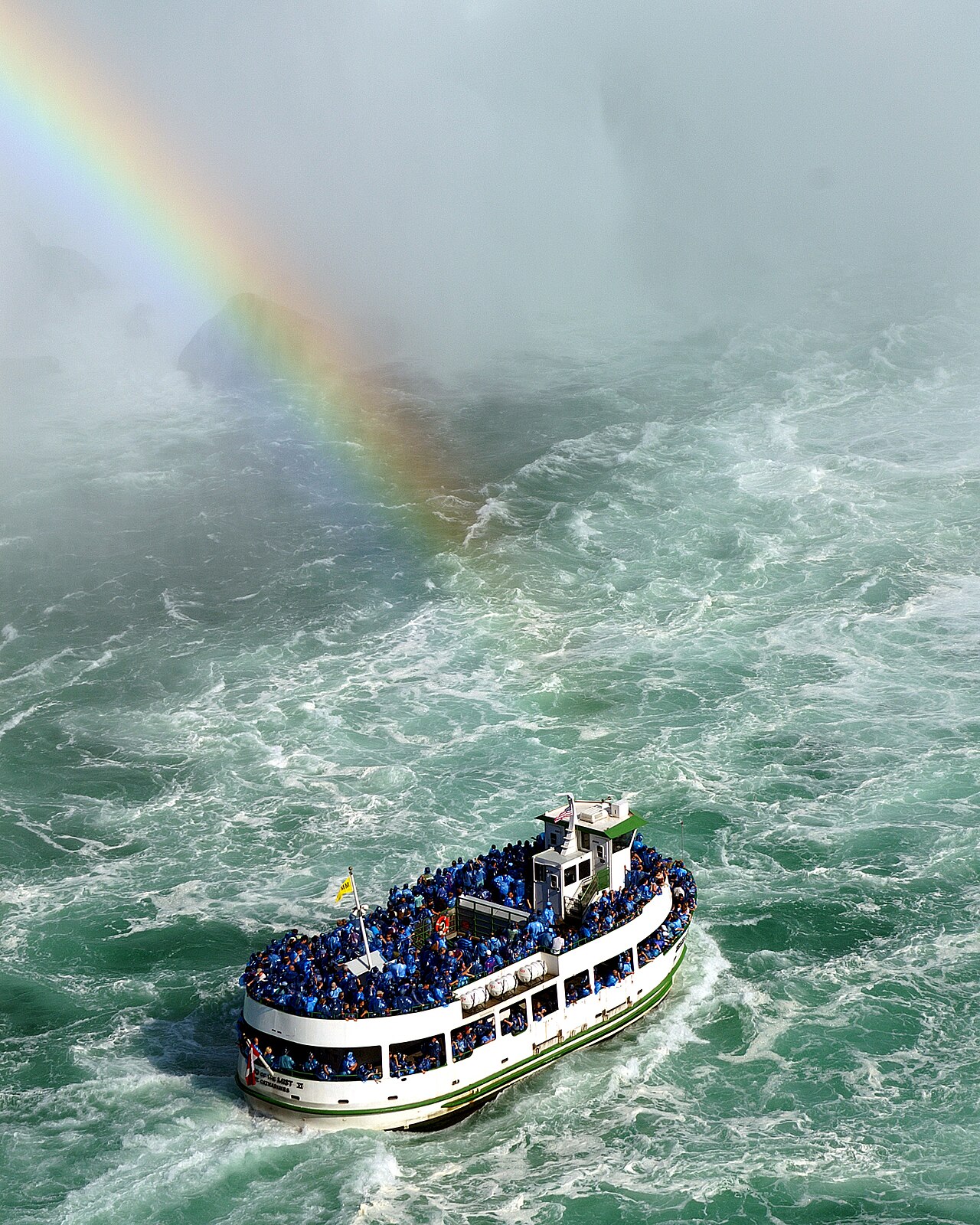
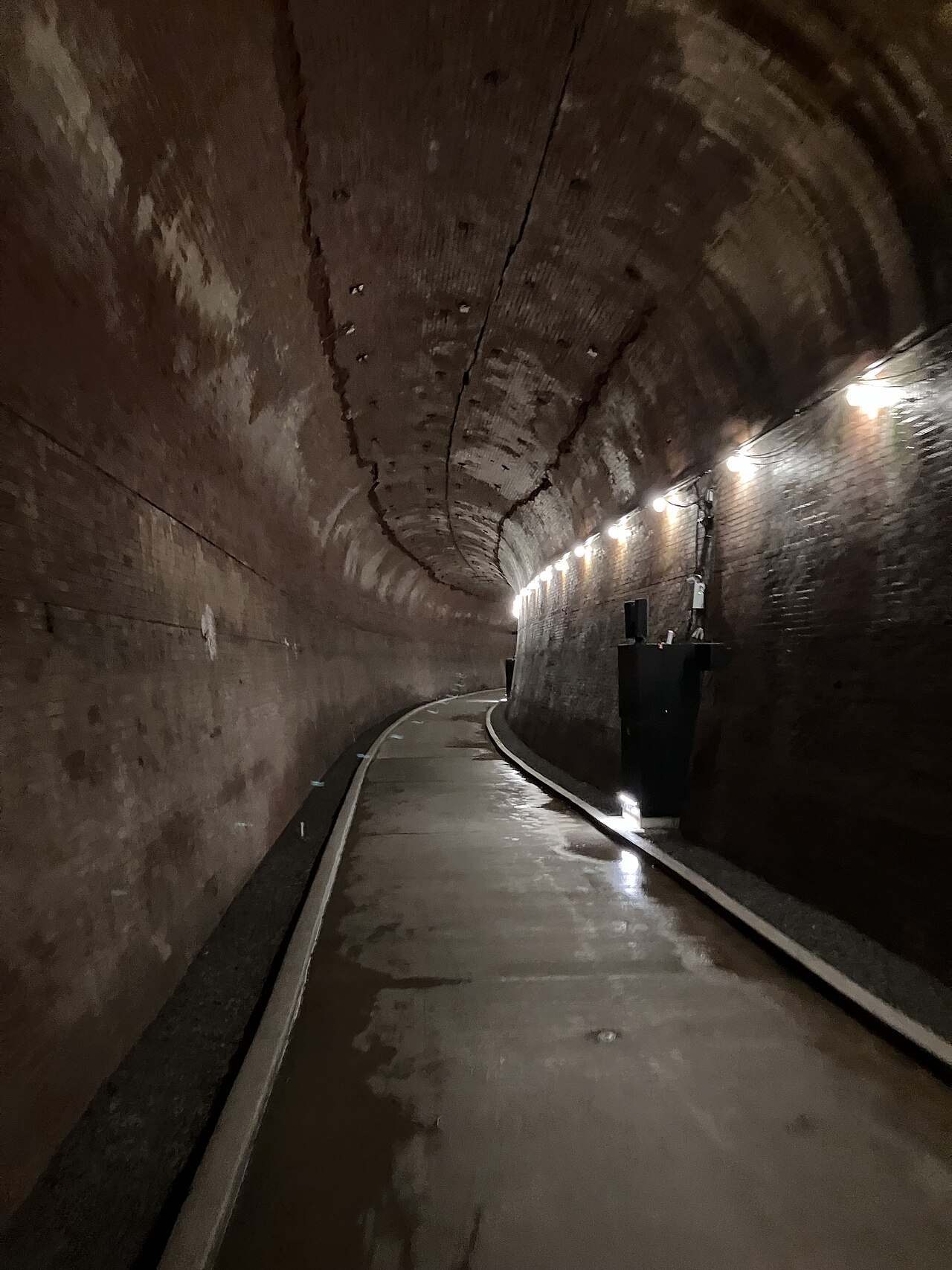
On the American side, the Maid of the Mist boat into the Horseshoe basin in season (it closes for 2026 on 8 November) and the Cave of the Winds, whose walkways put you at the foot of Bridal Veil Falls, open year-round in a smaller winter version. On the Canadian side, Journey Behind the Falls, which takes you by elevator and tunnel to portals behind the Horseshoe; the Niagara Parks Power Station, a 1905 generating hall with a 2,200-foot tunnel to a river-level platform; the Canadian boat run by Niagara City Cruises in season; and the Skylon Tower for the overview. The Whirlpool Aero Car, a 1916 cable car over the gorge, is a lovely seasonal extra from April to November. You do not need all of them: one boat, one behind-the-falls experience and one high view cover the essentials.
What is free and often better
Walking Niagara Falls State Park and Goat Island, especially the Three Sisters Islands in the upper rapids. The promenade along the Niagara Parkway from Table Rock to the Rainbow Bridge. The nightly illumination, when the falls are lit in color every night of the year. The Winter Festival of Lights, from 14 November 2026 to 10 January 2027, with fireworks on scheduled nights. Clifton Hill is free to walk, though everything on it costs money once you step inside.
How long to stay
A day trip covers the main sights on one side; two days let you do both sides properly; three days add Niagara-on-the-Lake, the gorge and Old Fort Niagara at a relaxed pace. Our three-day itinerary lays it out. If you are driving from Toronto or Buffalo, staying at least one night is worth it just for the illumination and the morning light on the falls.
Seasons decide what you can do
Summer is peak: everything is open, the boats run constantly, fireworks light the falls on many nights, and crowds and hotel rates are at their highest. Spring and early autumn are the sweet spots, with most attractions running and fewer people. From November to April, the boats stop and some gorge attractions close, but the falls are no less powerful, the ice formations in deep winter are spectacular, hotel prices drop sharply, and the year-round attractions, Journey Behind the Falls, the Power Station, the Cave of the Winds winter version, the Butterfly Conservatory, the Skylon Tower and Clifton Hill, carry the trip. Our winter guide covers the off-season in detail.
Money and practicalities
Prices on the Canadian side are in Canadian dollars and on the American side in US dollars; cards work everywhere, and paying in the local currency with a card usually beats the exchange rate offered for cash in shops. Parking near the falls is paid on both sides; on the American side, the state park lots nearest the falls are about ten dollars a day in the off-season. Wear shoes with grip at any time of year, because spray soaks the paths in summer and freezes on them in winter. A waterproof phone pouch is the best small purchase you can make for the boats and the Cave of the Winds.
What to skip
Paying for every attraction on Clifton Hill unless you have children who will love them; overpriced restaurants with mediocre food right on the strip; and spending the whole trip on one side. And do not leave without seeing the falls after dark at least once.