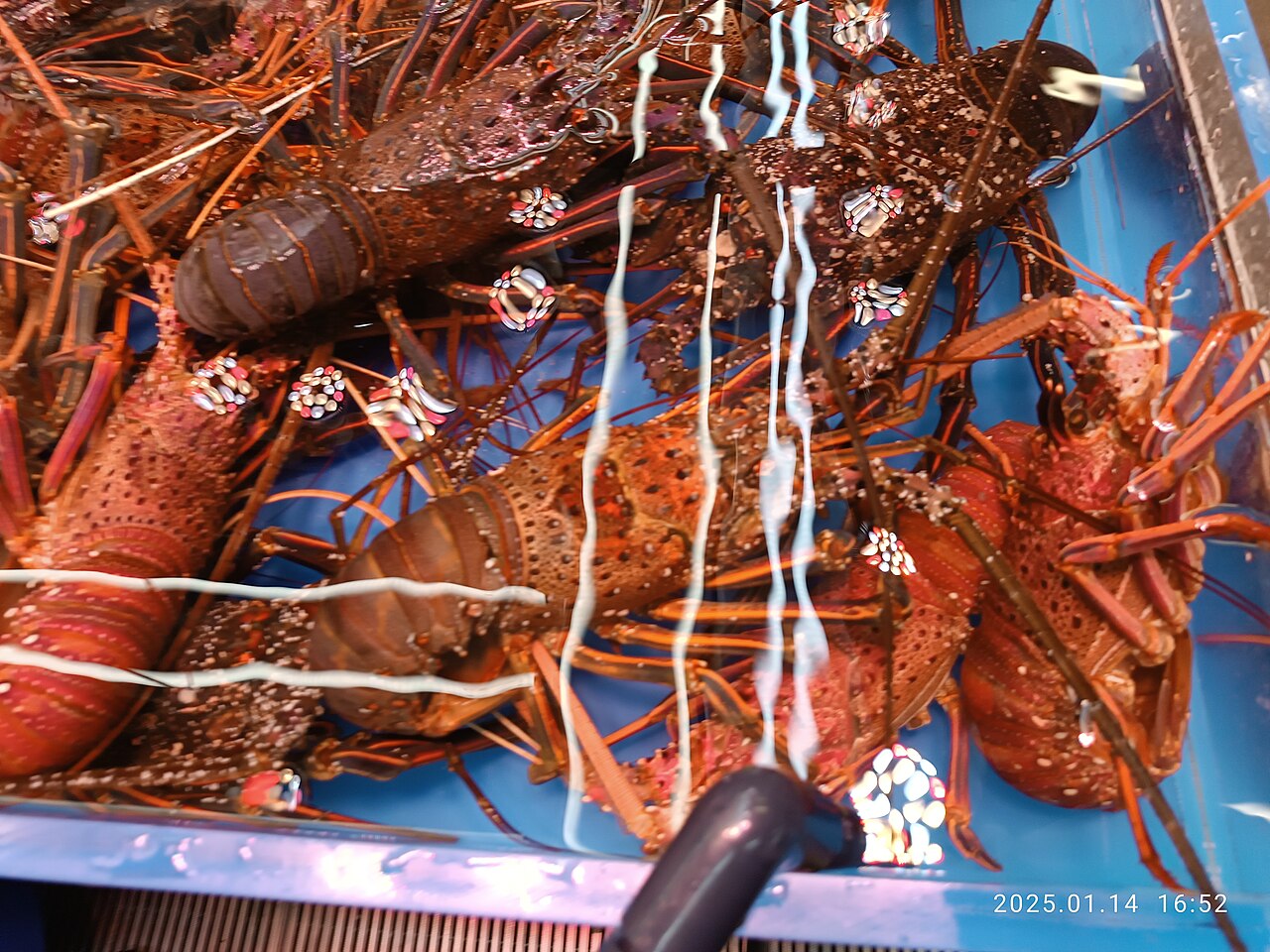
Kokusai Street, whose name means International Street, is the commercial spine of Naha. It runs for more than a kilometre through the centre of the city, lined with souvenir shops, bars, department stores and restaurants, and it is the natural place to begin an evening. Branching off it are covered arcades such as Heiwa-dori and the old Makishi Public Market, a municipal market where you buy fish and produce from stalls on the ground floor. Many stalls will arrange to have your catch cooked in the restaurants upstairs. Okinawan cuisine is the real attraction: goya champuru, a stir-fry of bitter melon, rafute braised pork belly, Okinawa soba, sea grapes and tropical fruit, washed down with Orion beer or the local spirit awamori. The Kokusai Street Noren-gai food hall adds roughly forty small restaurants under one roof.
The area is best treated as a loose walk rather than a checklist. Start in the late afternoon at the Makishi Public Market when the stalls are full, browse the fish, pork and tropical fruit, and decide whether to eat upstairs. The market has been rebuilt in recent years and keeps long hours, with stalls varying in opening times and some closing on specific days, so check before a special trip.
From there it is a short walk to the covered arcades, where small shops sell pottery, textiles and sweets, and where shopkeepers are used to answering questions from travellers.
For dinner, an izakaya is the best introduction to Okinawan food. Order a few small plates to share, such as champuru, fried tofu, pickles and grilled fish, and try a glass of awamori on the rocks or with water. Live music venues play traditional sanshin music, and many restaurants display English or picture menus. Hotels on or near Kokusai Street, including the Hyatt Regency Naha, Hotel JAL City Naha and the Toyoko Inn near Miebashi Station, put the whole area within a few minutes on foot.
Practical tips
The street is flat and easy for strollers and wheelchairs, and the Yui Rail monorail stops at Makishi and Miebashi stations at either end. Cash is still widely used at small stalls. Tsuboya pottery street is a short walk away and well worth adding in the daytime. It is free to wander, with the cost being whatever you choose to eat or buy.
What to expect
The experience
A free, self-guided walk along Kokusai Street and through the covered arcades and Makishi Public Market, with plenty of places to eat and shop.
Best time
Late afternoon into the evening, when the market is lively and restaurants and bars are open.
How long
Two to three hours, longer if you stay for dinner and drinks.
Tips
Carry some cash for small stalls, share several dishes to taste more, and ask whether the market upstairs restaurants will cook your fish.
Quick picks
- Best for
- Food lovers and anyone who wants an easy, free introduction to Naha.
- Families
- Easy and flat, with shaded arcades, though bars can be loud late at night.
- Couples
- Share small plates at an izakaya and finish with awamori or a stroll along the lit-up street.
- Pair with
- Shuri Castle Park in the morning, Tsuboya pottery street and a hotel near Makishi or Miebashi Station.
- Time needed
- Allow two to three hours including a meal.
Good questions
What should I eat on Kokusai Street?+
Try goya champuru, Okinawa soba, rafute braised pork and sea grapes. Wash them down with Orion beer or a glass of awamori.
What is Makishi Public Market?+
It is a municipal market where you can buy fresh fish, pork and tropical fruit. Many stalls will arrange for your purchase to be cooked in a restaurant upstairs.
Is Kokusai Street good for souvenirs?+
Yes, the street and the arcades sell pottery, textiles, sweets, shisa lion-dog figures and local spirits. Prices vary, so compare a few shops.
How do I get there?+
The Yui Rail monorail stops at Makishi and Miebashi stations at either end of the street. It is a short ride from Naha Airport.
Is it open in the evening?+
Yes, restaurants and bars stay open late, though individual stalls and shops vary. Check before a special trip if you want a particular place.