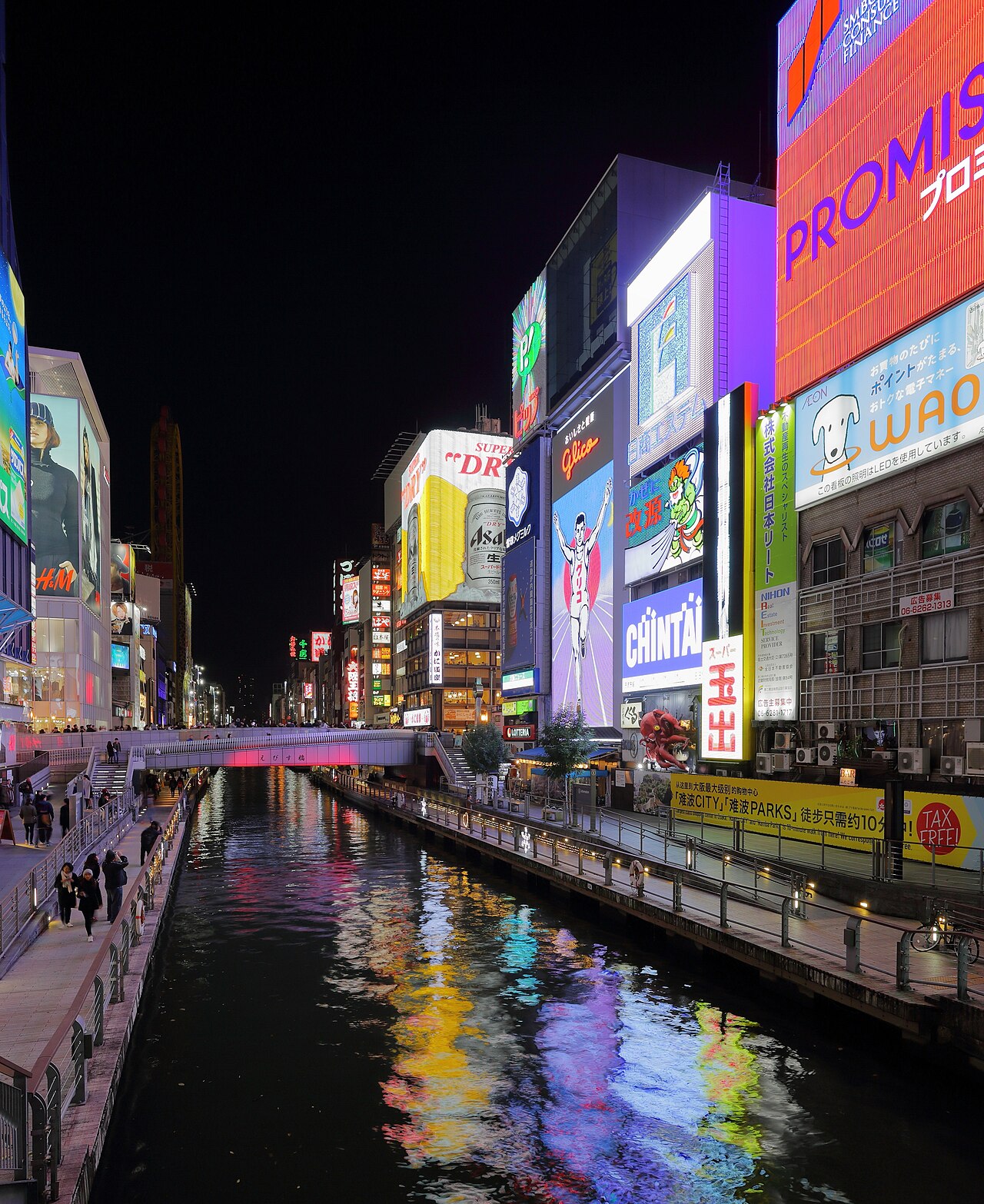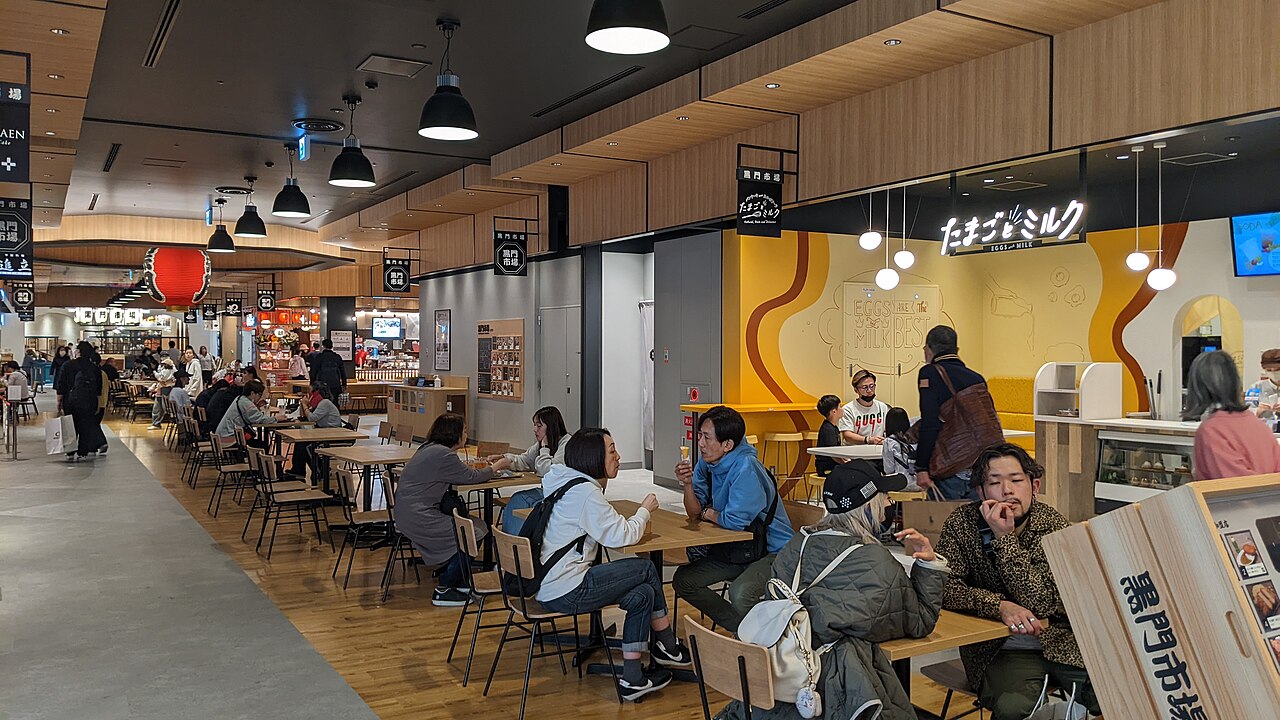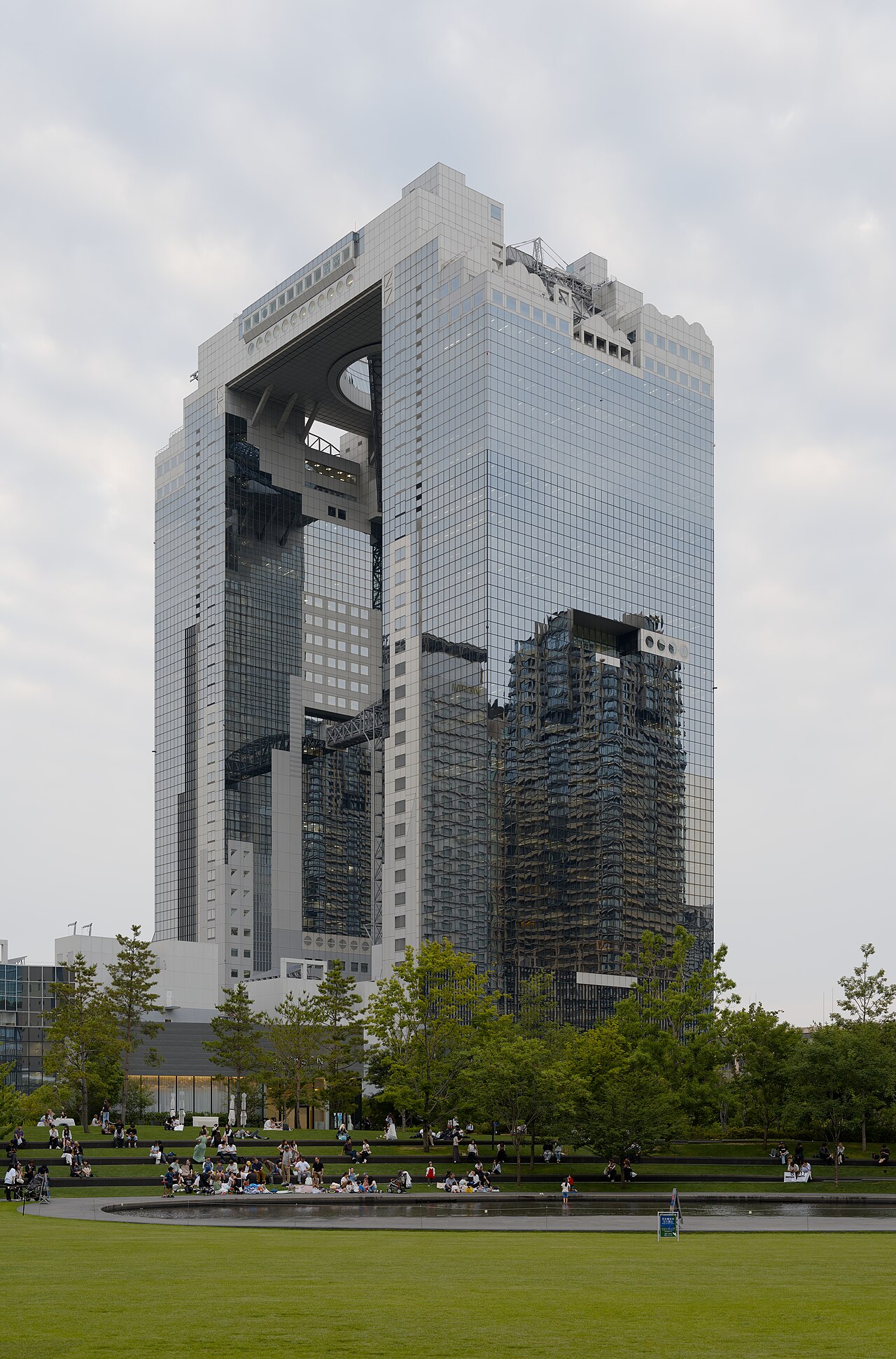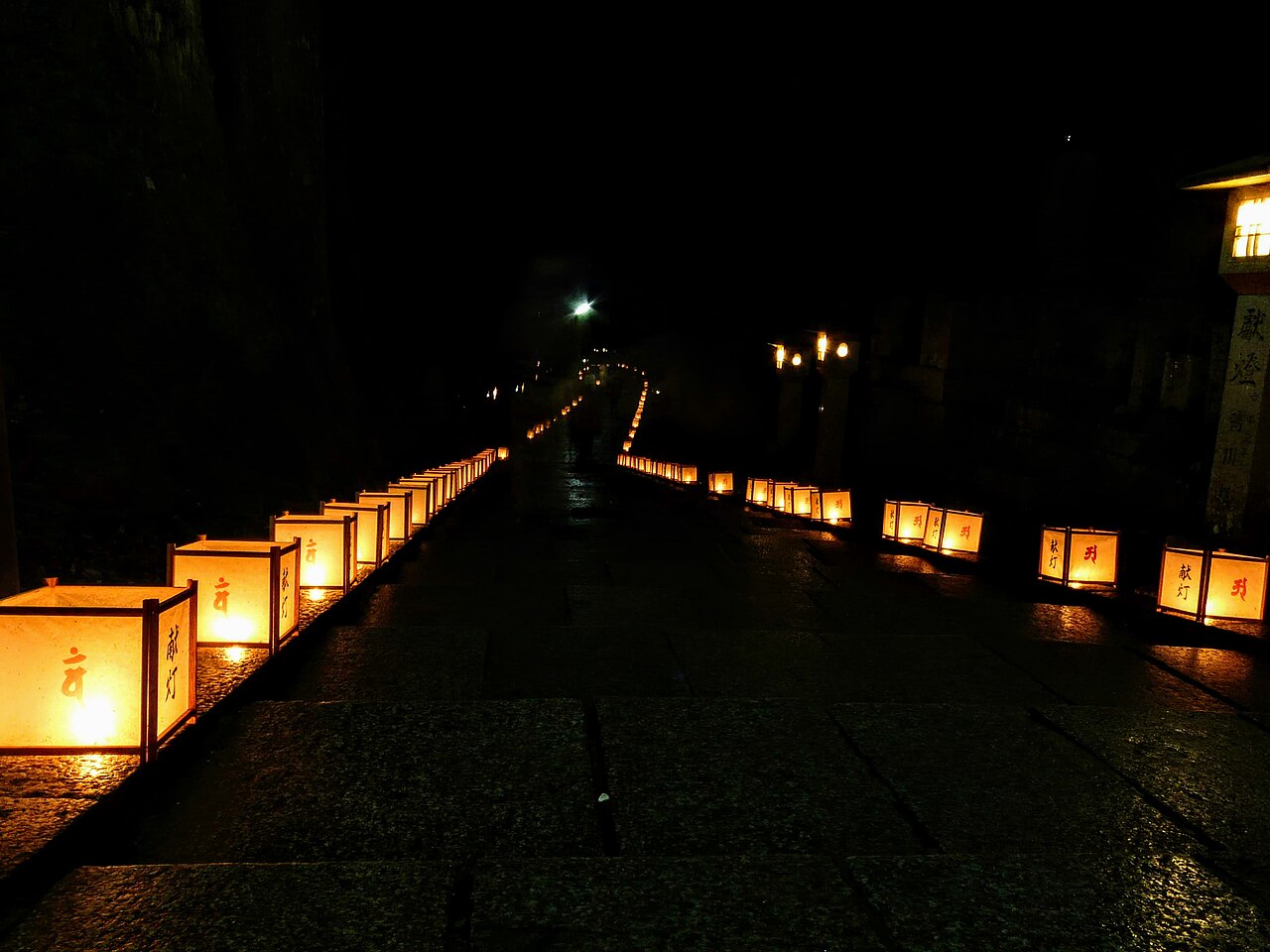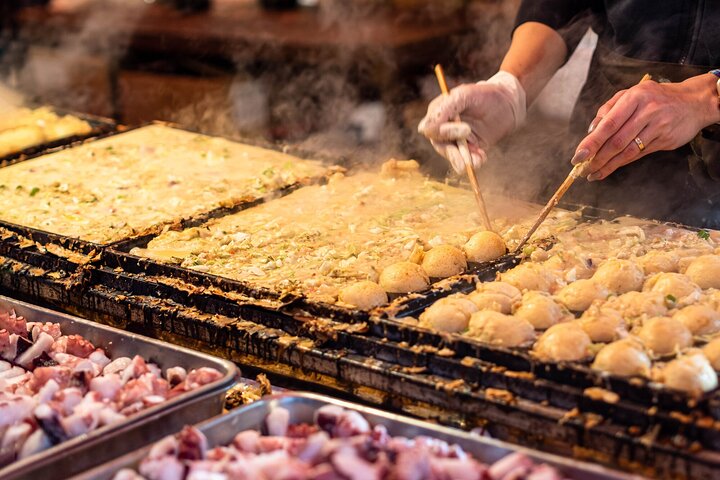
Dotonbori and Shinsekai are the two places where most visitors eat in Osaka, and they could not be more different. Dotonbori is the shiny canal-side quarter of giant signs and tourist crowds; Shinsekai is the older, grittier district around Tsutenkaku Tower, known for kushikatsu, the deep-fried skewers that Osaka does better than anywhere. This guided food walk puts both on one itinerary. It is a local foodie tour of the two districts, rated highly by more than a thousand travelers, and it is aimed at visitors who want to taste the classics without wasting a meal on a poor choice. A guide takes you between stalls and restaurants, explains the dishes and their history, and handles the practical side, from queues to ordering. Osaka's food culture, kuidaore, means eating until you drop, and the tour is a good way to start that habit with a plan. The exact route, the stops, the length of the tour and what is included are listed at booking, so check them if you have dietary needs or a fixed schedule. Because it covers two districts, it also functions as a short orientation to the south of the city, which is useful on a first visit.
The two districts. Dotonbori is where Osaka's famous dishes are showpieces: takoyaki in molded iron griddles, okonomiyaki cooked at your table, crab and grilled seafood under giant mechanical signs. Shinsekai, a short subway ride away, was built in the early twentieth century as a modern entertainment district modeled partly on Paris and Coney Island, and it has the lived-in charm of a neighborhood that stopped changing.
Its kushikatsu counters have a famous rule, no double-dipping in the shared sauce, and a guide will explain that and other etiquette so that you do not stumble into a faux pas. Seeing both districts in one outing shows the range of the city's food, from polished to scruffy, in a few hours.
What to prepare. Come hungry and wear comfortable shoes; you will be on your feet, moving between stops and sometimes queuing. The tour is a food walk, so check the booking page for the meeting point, the start time and the number of tastings, and tell the operator about allergies in advance. Osaka's staples include seafood, pork, wheat and egg, and a guide can adapt only if told beforehand.
Keep some room in your schedule afterward: the food is filling, and you will want to walk some of it off along the canal or up Tsutenkaku's neighborhood. If the weather is wet, bring a compact umbrella, since much of the route is outdoors.
Fitting it in. A daytime or early-evening tour pairs well with an evening on your own, because you will know where to go back to. It also suits families with older children, who often enjoy the snack-by-snack format more than a sit-down meal. If you prefer one district only, the Dotonbori entry and the Shinsekai entry on this site describe each in detail, and for a more intimate, drinks-led evening the izakaya hopping tour is a better match.
For solo travelers, this kind of group food walk is also an easy way to meet other visitors, share plates and learn the local vocabulary, which makes every later meal in Osaka more confident and more fun.
What to expect
The experience
A guided food walk through Dotonbori and Shinsekai, with tastings of Osaka's signature dishes and a local guide to explain them.
Best time
Lunch or early evening, when both districts are lively.
How long
Allow a few hours; the exact length is shown at booking.
Tips
Tell the operator about allergies in advance. Come hungry and wear comfortable shoes.
Quick picks
- Best for
- First-time visitors who want a guided taste of Osaka's two great eating districts.
- Families
- Good for older children who enjoy snack-style eating; keep young ones close in the crowds.
- Couples
- A fun shared meal and a good way to find places to return to.
- Pair with
- An evening canal walk in Dotonbori after the tour.
- Time needed
- A few hours.
Good questions
Which districts does the tour cover?+
Dotonbori and Shinsekai, Osaka's two best-known eating districts.
What food will I taste?+
Osaka classics such as takoyaki, okonomiyaki and kushikatsu are typical, but the exact tastings are shown at booking.
Is it suitable for children?+
Yes for older children who like trying snacks. Check the booking details and keep young children close in crowded areas.
Can the guide handle dietary restrictions?+
Tell the operator in advance. Many local dishes include seafood, pork, wheat and egg.
Do I need to book ahead?+
Yes. Choose a date and time when you book, and check the meeting point and cancellation terms.