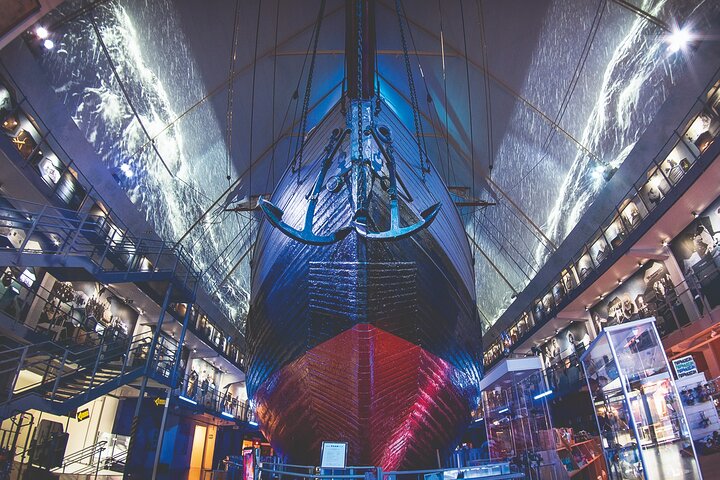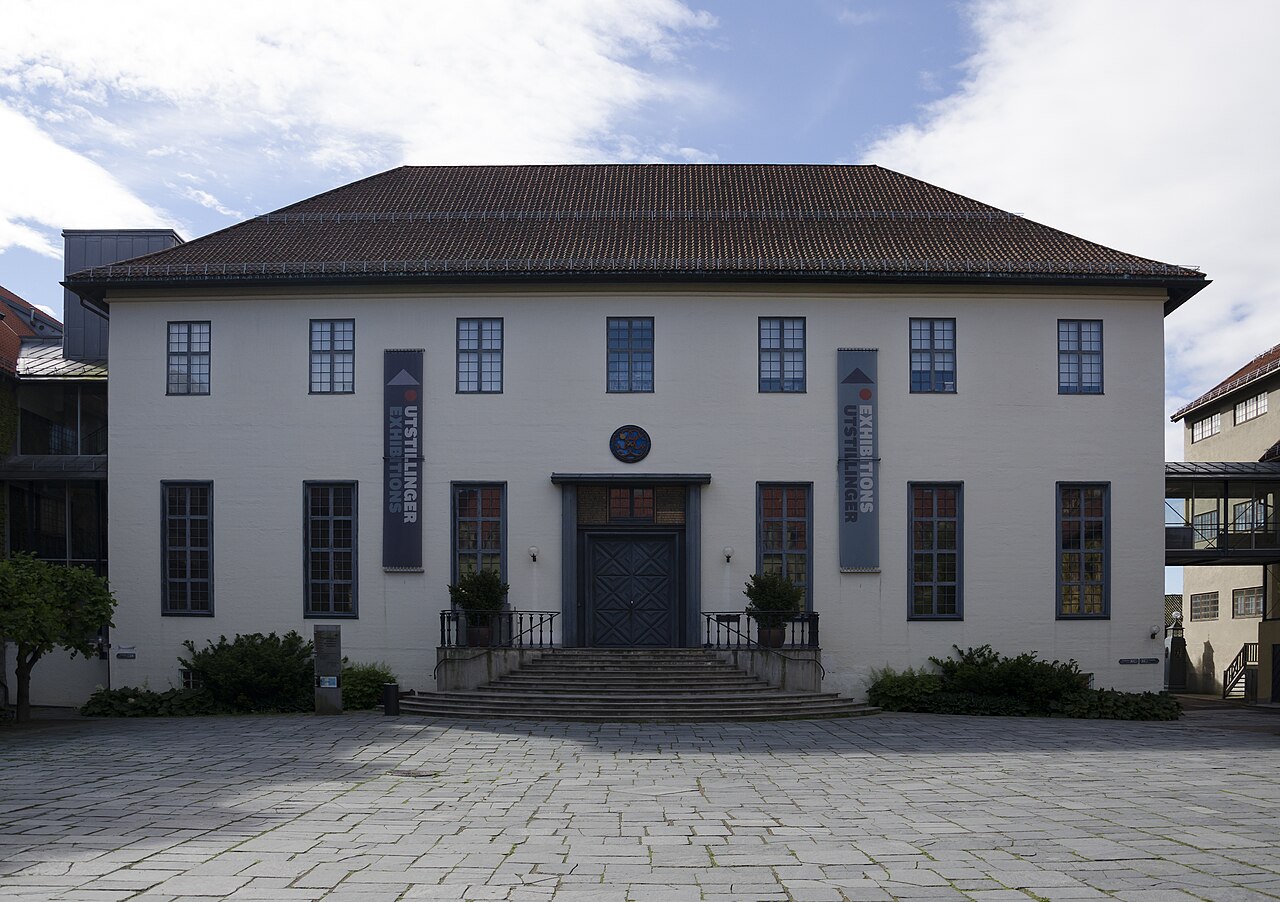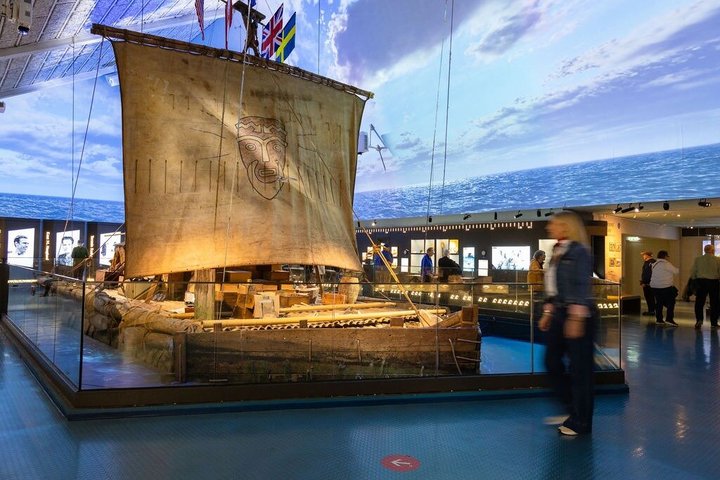
In 1947 Thor Heyerdahl and five companions sailed a raft of balsa logs from Peru across the Pacific to Polynesia, to argue that ancient South Americans could have reached the islands by sea. The raft, Kon-Tiki, survived the 101 days of the crossing and now sits in a dedicated hall on the Bygdøy peninsula, where you can walk right up to the weathered logs and see how little protected the crew from the ocean. A film of the voyage won an Academy Award, and the raft is still one of the most photographed objects in Norway. The museum is more than a single raft. Heyerdahl built the papyrus boat Ra II for a later crossing of the Atlantic in 1970, to test a similar idea about contact between ancient Africa and the Americas, and it is displayed here too. Downstairs there are exhibits on Easter Island, where Heyerdahl led expeditions to study the great stone statues, with replicas, tools and photographs, and there is a small sea-themed cinema. The explanations are in English and are readable in a short visit. Some of Heyerdahl's theories have not held up under later research, and the museum is best enjoyed as the record of an adventure, a feat of seamanship and a lasting argument about how people moved across the oceans. The scale is intimate. Visitors who know the story find a nearly physical connection to it, and those who do not often leave inspired to read the book. It is among the easiest and most rewarding small museums in Oslo, particularly with children who like boats or maps, and it takes about an hour.
How to visit well
Start with the raft hall, take a slow walk around the Kon-Tiki, then go to the lower floor for the Easter Island material and the film. The balsa logs are clearly lashed with rope rather than nails, and reading the diary extracts on the walls gives context to the objects. Try to arrive at an off-peak time, as the hall is small and fills quickly when tour groups arrive.
Getting there
The museum sits on the Bygdøy peninsula in the cluster of seafaring museums by the water. Bus 30 from the centre runs all year, and a seasonal ferry connects the peninsula with the City Hall pier in the warmer months. From the Fram Museum it is a short walk, and it is easy to see both in a single morning. Check the museum for current opening hours before you go.
Pairing
The Fram Museum is the obvious companion, and the Norwegian Folk Museum fills the rest of a day on Bygdøy. The Oslo Pass covers the Bygdøy museums, which makes a three-museum day very cost-effective. If you are staying longer, add the Oslo Discovery Tour as a way to see Vigeland and Holmenkollen in the same day without planning transport.
What to expect
The experience
A small museum with the original Kon-Tiki balsa raft, the papyrus boat Ra II and an Easter Island gallery.
Best time
Early or late in the day, before or after tour groups.
How long
About an hour.
Tips
Look closely at how the raft is lashed, then see the Easter Island floor and the film.
Quick picks
- Best for
- Adventure stories, boat lovers and anyone who has read or watched the Kon-Tiki story.
- Families
- Very good for children who like boats, maps and expeditions.
- Couples
- A short, atmospheric stop to pair with the Fram Museum.
- Pair with
- The Fram Museum, a few minutes on foot.
- Time needed
- One hour, or a morning with the Fram.
Good questions
What is the Kon-Tiki?+
It is the balsa raft on which Thor Heyerdahl and five companions crossed the Pacific from Peru to Polynesia in 1947.
Is the original raft on display?+
Yes. The original raft is the centrepiece of the museum, alongside the papyrus boat Ra II.
How long does the visit take?+
About an hour is enough for most visitors, and it combines easily with the Fram Museum.
How do I get to the Kon-Tiki Museum?+
Take bus 30 to Bygdøy all year, or the seasonal ferry from the City Hall pier in the warmer months.
Is the Oslo Pass accepted?+
The Oslo Pass covers the Bygdøy museums, so check the pass details if you are visiting several in a day.