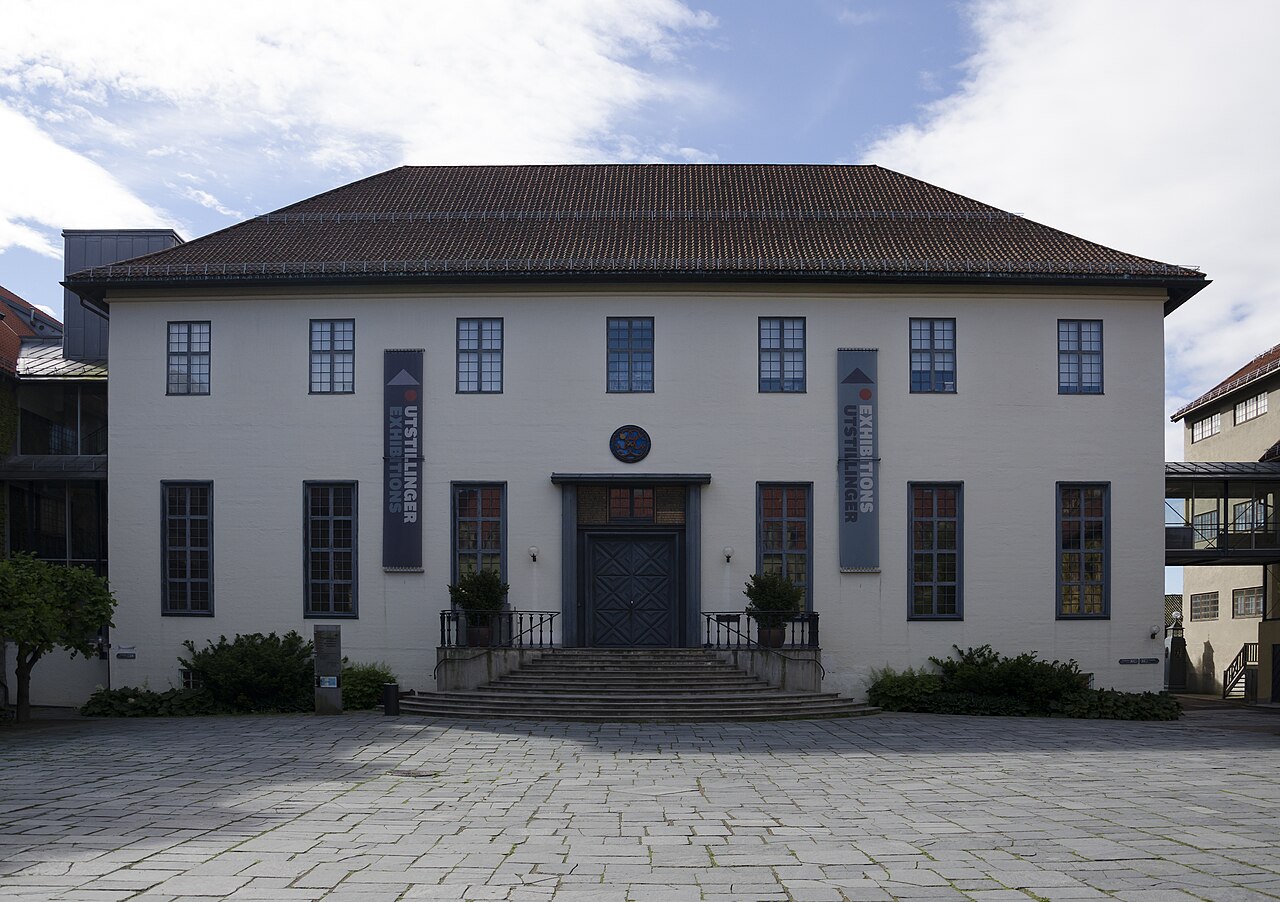
Norsk Folkemuseum, founded in 1894 on the Bygdøy peninsula, is Norway in miniature. Its open-air collection spreads across a green hillside and gathers more than a hundred and sixty historic buildings from every part of the country: turf-roofed farmhouses, storehouses on stilts, mills, barns, and an old town quarter assembled from Oslo houses that were saved from demolition. You can walk into many of them and see how people lived, from sooty open-hearth cottages to the polished parlours of nineteenth-century townspeople. The effect is a walk through centuries without leaving the city. The centrepiece is the Gol stave church, a wooden church from the Hallingdal valley dating to the late twelfth century, moved to Oslo in the 1880s. Stave churches are one of Norway's great architectural inventions, tall, tar-dark timber structures with carved dragon heads, and this is the easiest one to see from the capital. Access to the church can be affected by restoration work, so check the museum before you plan around it. The indoor galleries in the main building cover Sami culture, folk costume, toys and social history and are open year-round, which makes the museum a good choice in winter as well. In the warmer months, mid-June to mid-August, costumed staff demonstrate traditional crafts and farm life, folk music and dance are performed at set times, and children can meet farm animals. The programme is posted at the entrance. In the colder months the outdoor buildings are quieter and the site is a calm winter walk, with the indoor exhibitions providing shelter. It suits families, history and architecture lovers, and anyone who wants to understand the country behind the sleek capital.
How to visit well
Allow three or four hours in summer and around two in winter. Collect the map at the entrance and tackle the open-air section first, heading for the stave church and the old town street before the daily programme starts, then spend the rest of the time in the indoor galleries. Wear comfortable shoes, as the grounds are large and hilly.
Getting there
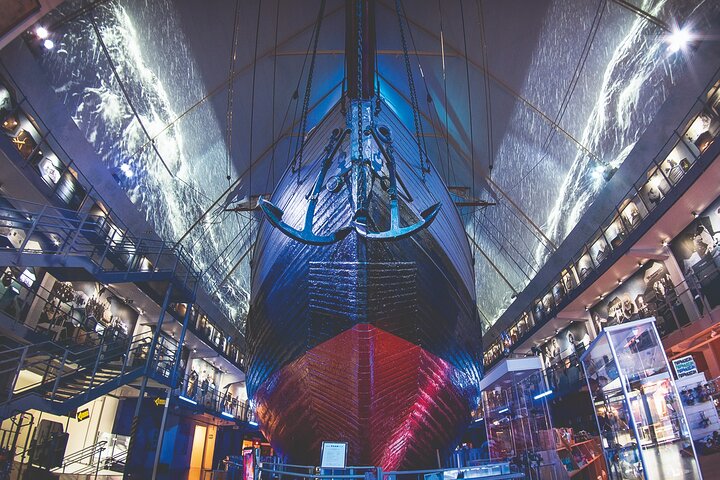
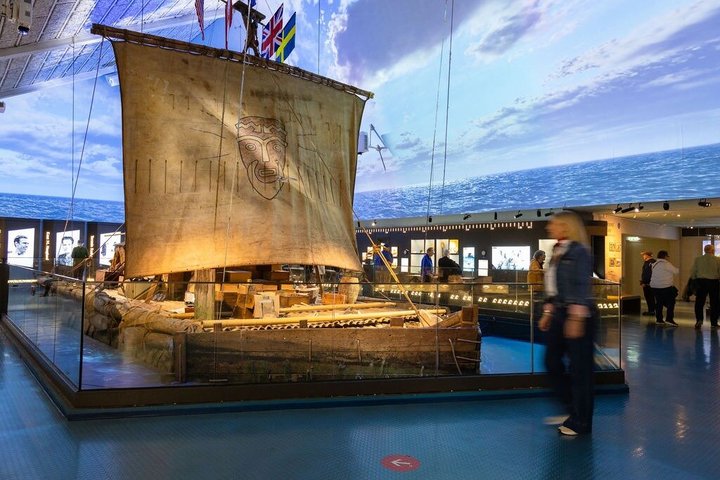
Bus 30 runs from the centre to Bygdøy all year, and a seasonal ferry from the City Hall pier operates in the warmer months, which makes the arrival part of the outing. The museum is within a short walk of the Fram and Kon-Tiki museums. Opening hours differ between summer and winter, with a shorter winter week and a weekly closing day, so check the museum before you go.
Pairing
Combine it with the Fram and Kon-Tiki museums for a full Bygdøy day, or with the Oslo Discovery Tour, which includes entry here as part of its Bygdøy stop. The Oslo Pass covers the museum. For lunch, picnic on the grounds in good weather or walk down to the waterfront cafes. If you want to see how Norwegians lived rather than how they sailed, this is the Bygdøy museum to prioritise.
What to expect
The experience
A large open-air museum of historic buildings plus indoor galleries on Sami culture, costume and social history.
Best time
Summer for craft demonstrations and folk music, or any season for the indoor galleries.
How long
Three to four hours in summer, about two in winter.
Tips
Start outdoors with the stave church, check the daily programme and wear good shoes.
Quick picks
- Best for
- Anyone who wants to see traditional Norway: farms, towns and a medieval stave church.
- Families
- Very good, with animals, open buildings and summer demonstrations.
- Couples
- A relaxed walk through history, best on a dry day.
- Pair with
- The Fram and Kon-Tiki museums on the same peninsula.
- Time needed
- Half a day.
Good questions
What is Norsk Folkemuseum?+
It is Scandinavia's largest open-air museum, founded in 1894, with more than a hundred and sixty historic buildings from across Norway.
Is there a stave church?+
Yes. The Gol stave church, from the late twelfth century, stands in the open-air section, though restoration work can sometimes limit access.
Is it worth visiting in winter?+
Yes, for the indoor galleries and a quiet walk outdoors, though the craft demonstrations and folk performances are mainly a summer feature.
How do I get there from central Oslo?+
Take bus 30 all year, or the seasonal ferry from the City Hall pier in the warmer months.
How long should I allow?+
About three to four hours in summer and around two hours in winter.