Ottawa has four strongly different seasons, and the best time to visit depends on what you want to do. The city is a good choice for a trip in any month, but the experience changes dramatically, from tulips and festivals to autumn colour and the world's longest skating rink. This guide explains what each season offers and what to expect from weather, crowds and prices.
Spring: tulips and thaw
Spring arrives slowly, with melting snow and variable weather in March and April, then bursts into colour in May when the Canadian Tulip Festival fills Commissioners Park and the city's parks. It is the best time for flower lovers and photographers, and the canal paths are lovely for walking and cycling. Expect chilly mornings, the occasional rainy day and higher hotel prices around the festival, so book early. Museums are comfortable and uncrowded outside school holidays, and Parliament tours are easier to book on weekdays.
Summer: festivals and the water
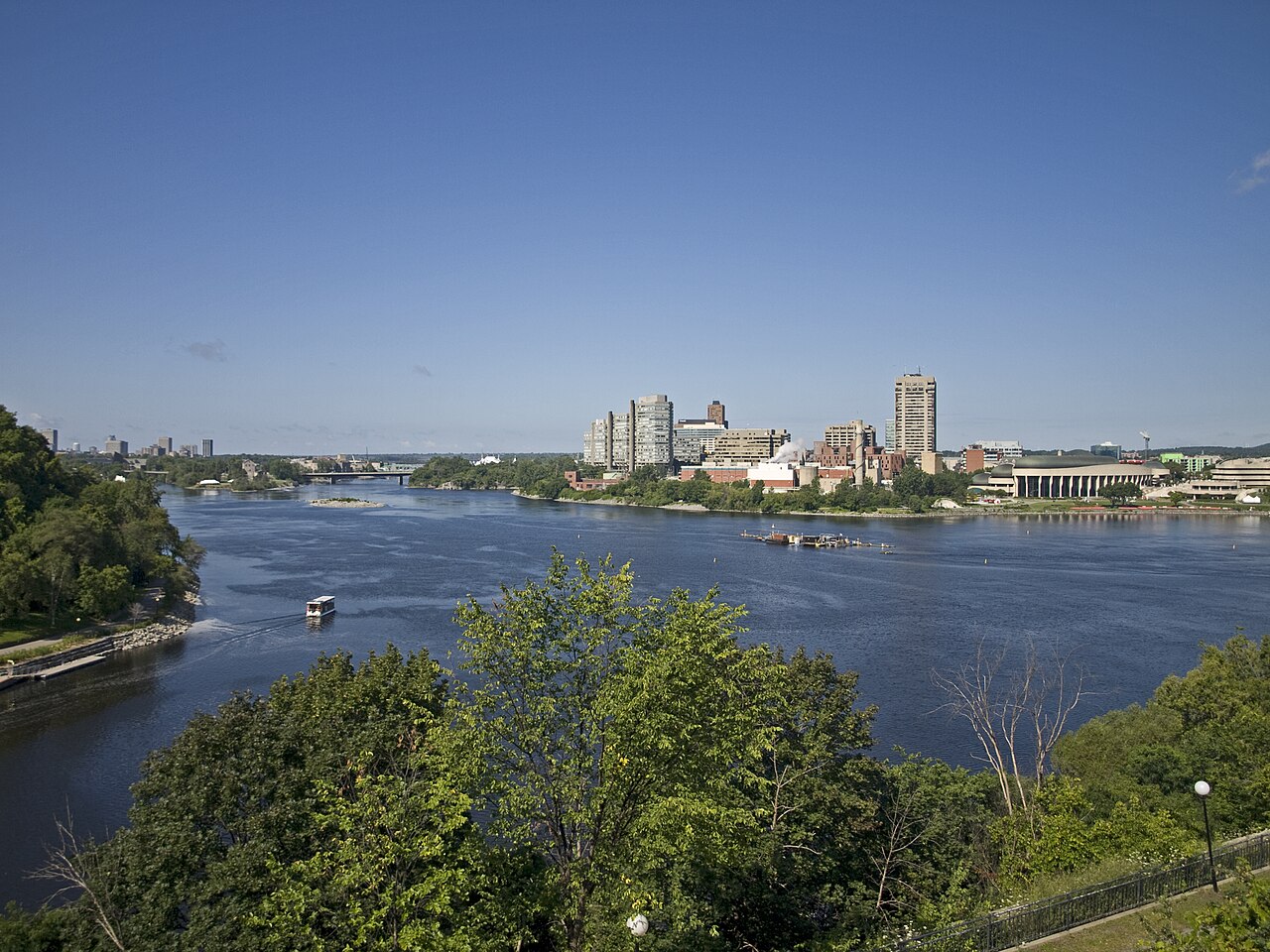
From late June to early September the city is warm and lively, with long days, patios and outdoor events. Canal cruises, rafting on the Ottawa River, cycling, kayaking and hiking in Gatineau Park are all in season, and Canada Day on 1 July brings large celebrations on Parliament Hill. The summer ceremonial programmes, such as the changing of the guard, add colour to the Hill. It is also the busiest and most expensive time for hotels, so reserve early, book popular tours in advance and plan indoor sights for hot afternoons. Evenings are pleasant for walking in the ByWard Market and along the canal.
Autumn: colour and calm
September and October are arguably the most pleasant months. The air is crisp, the crowds thin out after the summer and the leaves in Gatineau Park turn brilliant red, orange and gold, usually peaking in early to mid October. It is a superb time for hiking and for the lookouts over the valley. By November the leaves have gone, the days are short and cold, and the city becomes quiet and inexpensive, which suits travellers who want museums, food and a haunted walk without the crowds. Remembrance Day on 11 November brings a solemn ceremony at the National War Memorial, with closures and crowds around the Hill that morning.
Winter: skating and Winterlude
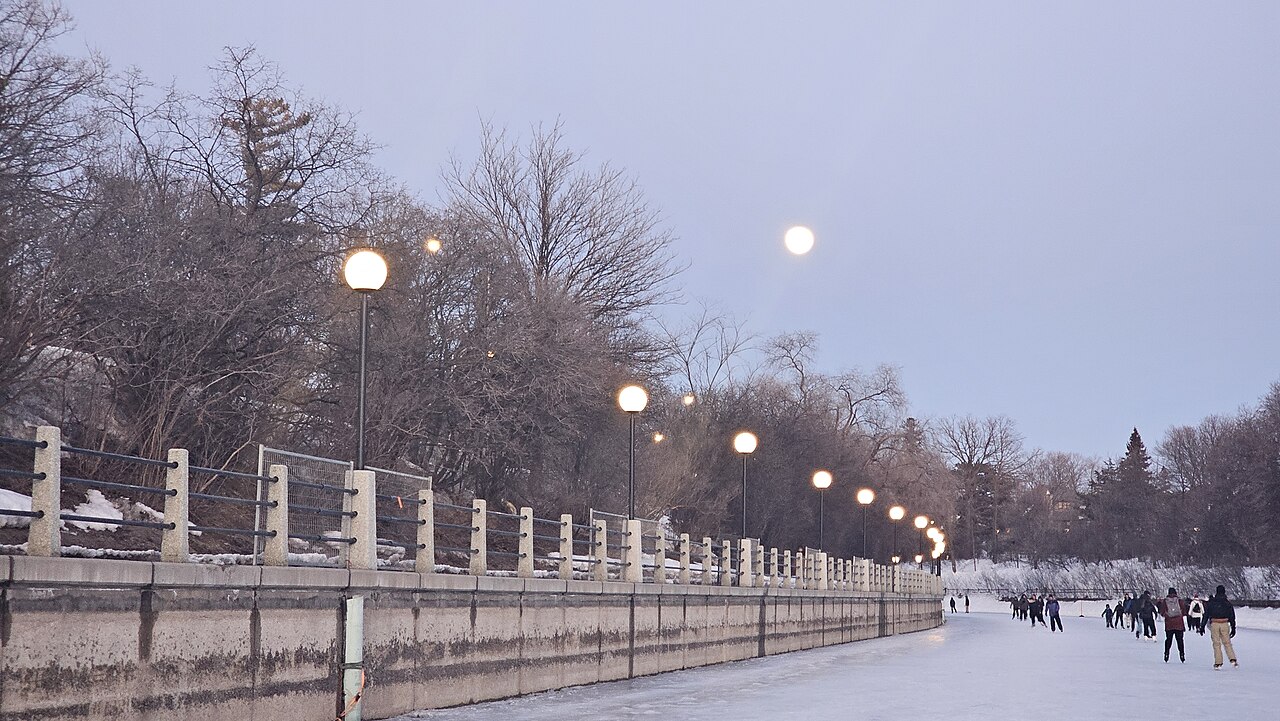
Ottawa winters are cold and snowy, but the city embraces them. The Rideau Canal Skateway, usually open between January and early March when the ice is thick enough, turns the canal into a vast skating rink, and Winterlude in February adds ice sculptures, snow playgrounds and events. Dress in layers, wear proper boots and plan indoor sights for the coldest hours. Hotels can be good value outside the festival weekends, and the Museum of Nature, the National Gallery and the Aviation Museum are comfortable refuges. The Skateway depends on the weather, so do not count on a specific date, and check the conditions before you go.
Choosing your month
For flowers, choose mid-May. For warm weather and festivals, choose July or August. For hiking and colour, choose late September to mid October. For skating and winter fun, choose late January to February. For low prices and quiet museums, choose November or early spring. Temperatures can swing widely, so check the forecast before you pack, and carry both a warm layer and a rain jacket outside the summer months.
Planning around the seasons
Some attractions are seasonal, including canal cruises, rafting, the Tulip Festival and the Skateway, so check availability for your dates. Others are open year-round but with different hours, and several national museums close one day a week. Whatever the season, Ottawa is compact, so even a short visit can be satisfying. If your dates are flexible, shoulder seasons offer the best balance of weather, crowds and price, and our first-time and three-day guides help you build a plan. Whatever month you choose, remember that daylight changes a lot across the year, with very long summer evenings and early winter sunsets, so build your day around the light. It also helps to check the dates of school holidays and long weekends, which fill hotels and popular museums even in months that are otherwise quiet. Finally, if you are choosing between two months, think about who is travelling with you. Families often prefer summer for the long days and outdoor options, couples may favour autumn for the colour and calm, and anyone who loves winter sport will find the cold months the most rewarding time of all.