Walk through almost any part of Panama and you hear the influence of Afro-descendant communities in the music, the cooking, the speech and the festivals. The story begins in the colonial era, when enslaved Africans were brought to the isthmus and some escaped to form communities of their own, continues through the nineteenth century and reaches a defining chapter during the building of the canal, when tens of thousands of workers arrived from the Caribbean islands to dig, blast and build. Their descendants are an essential part of the country today. A heritage experience brings that history to life in the city. A local guide leads you through neighbourhoods, memorials and buildings associated with the Afro-Antillean and Afro-colonial past, explaining how communities settled, worked and organised, and what they faced under segregated systems of the early twentieth century. The aim is not only to recount history but to connect it to the culture of the present, so stories are often accompanied by music, food or conversation.
What makes this different from a standard city tour? The perspective. Many visitors know the canal as an engineering triumph, but fewer know about the labourers behind it, the conditions they endured and the communities they built afterward. Learning this changes how you see the Canal Zone, the old town and even the food on your plate. Guides who come from these communities bring personal stories and context that books cannot, and they welcome questions.
Culture is at the heart of the experience. Panama's Afro-Caribbean and Afro-colonial traditions include distinctive rhythms, dances, costumes and dishes. Depending on the itinerary, you may hear about Carnival, the Congo traditions of the Caribbean coast, the music of calypso and the flavours of coconut-based stews and fried plantain. Some programmes include a tasting or a short performance, so ask what your chosen tour includes if that is important to you.
Practical advice
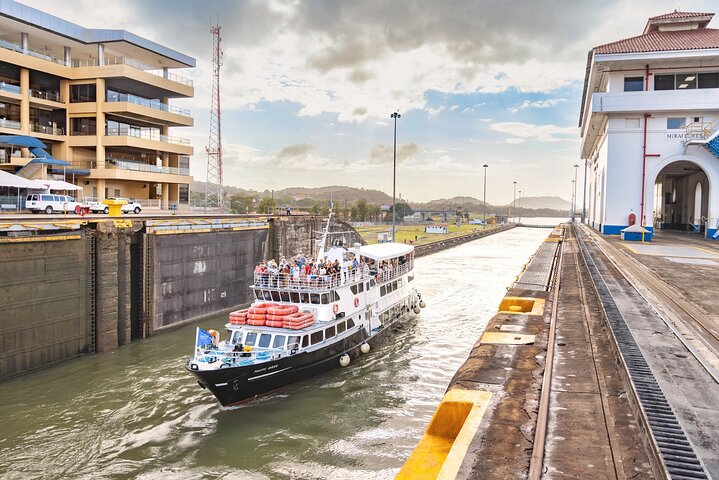
Wear comfortable shoes and light clothes, bring water and a hat, and be ready for a mix of walking and short transfers. Keep an open mind and ask respectful questions, as guides are glad to talk. Combine the experience with a visit to the Miraflores Locks, the Canal Zone bike tour or Portobelo on the Caribbean coast, where Afro-colonial history is especially vivid. It suits adults and older children who are interested in history and culture, and it is a meaningful addition for anyone who wants to understand Panama beyond its famous sights.
What to expect
The experience
A guided cultural experience in the city exploring Afro-Panamanian history and traditions, often with stories, music or food.
Best time
Morning or late afternoon, when it is cooler for walking.
How long
Around three hours.
Tips
Wear comfortable shoes, bring water, ask questions and check whether tastings or performances are included.
Quick picks
- Best for
- Curious travellers who want a deeper understanding of Panama's people and history.
- Families
- Best for older children and teenagers interested in history.
- Couples
- A thoughtful shared experience that adds context to the rest of your trip.
- Pair with
- Miraflores Locks, the Canal Zone bike tour or Portobelo.
- Time needed
- A morning or afternoon.
Good questions
What will I learn?+
How Afro-descendant communities shaped the canal, the city and national culture, from colonial times to today.
Is food or music included?+
Some experiences include a tasting or performance. Check the details of your chosen tour.
Is it a walking tour?+
Mostly, often with short transfers between stops.
Is it suitable for children?+
Older children and teenagers will get the most from it.
How does it fit with other plans?+
It pairs well with a canal visit or the old town, and adds context to both.