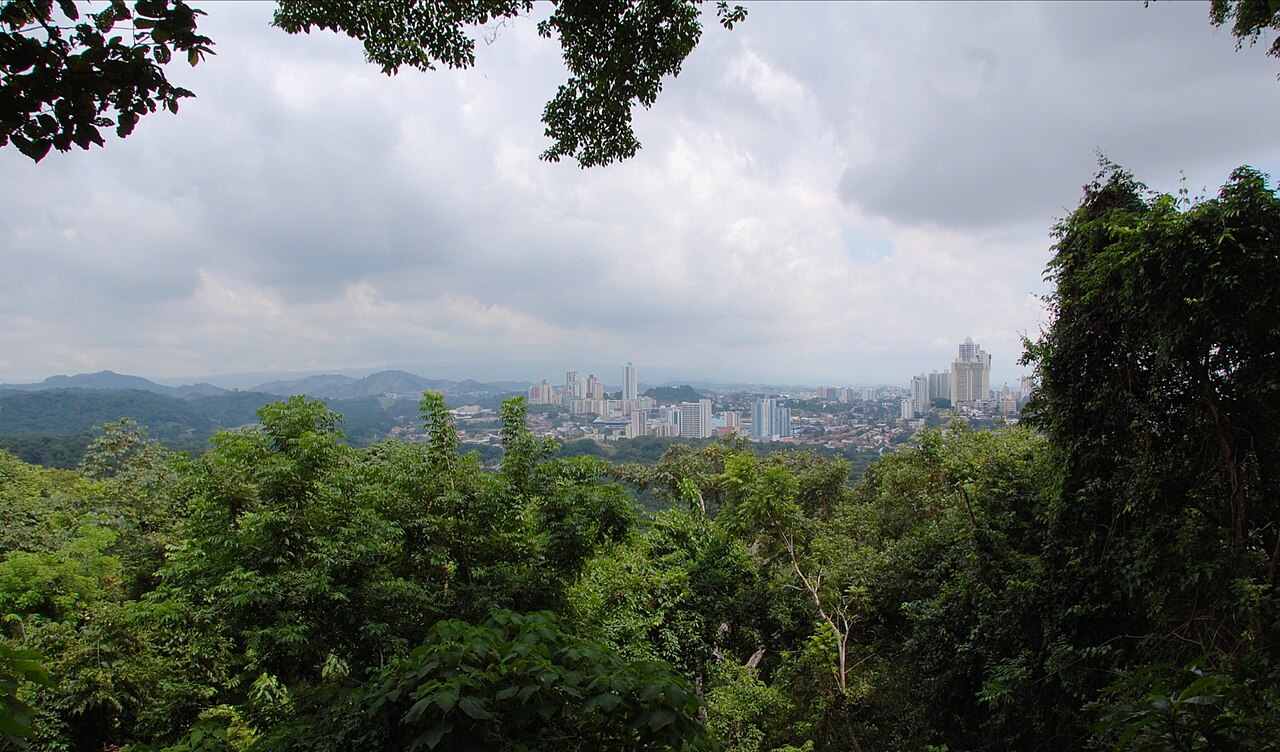
Few capital cities have a rainforest within their limits, and Panama City is proud of its. The Metropolitan Natural Park is a forest reserve of about 230 hectares that the tourism authority calls the green lung of the capital. It is open daily, with a visitor center where non-nationals pay a small entrance fee, and seven marked trails that need no guide. The Mono Titi Path climbs to a viewpoint on Cerro Cedro with views of the city and the canal, and is the best known. Easier routes include El Roble and Los Momotides, short flat walks good for children, and the paved Dorothy Wilson trail, designed for reduced mobility. The park lists hundreds of plant and bird species, with mammals including monkeys, and early morning is when wildlife is most active. For a nature fix that does not require a day trip, it is unbeatable.
The park is a reminder that Panama is one of the world's most biodiverse countries. The tourism authority lists hundreds of bird species, dozens of reptiles and mammals, and hundreds of plant species, including towering trees. Visitors commonly see agoutis, coatis, squirrel monkeys, tamarins and a rich array of birds including motmots, which the Los Momotides trail is named for. Sloths are present but hard to spot. The forest is dense and humid, so expect an immersive feel despite the city skyline visible from the lookout.
Choosing a trail: for a short visit, take Los Momotides or El Roble, both easy and flat. For a classic experience, the Mono Titi Path climbs to the Cerro Cedro viewpoint, where you can see the skyline, the bay and ships queueing for the canal. It is moderate, with some steep sections and stairs, so wear shoes with grip. La Cienaguita continues beyond Cerro Cedro and is the longest and toughest. Opening hours listed by the tourism authority run from early morning to mid-afternoon, so start early to enjoy cooler temperatures and active wildlife.
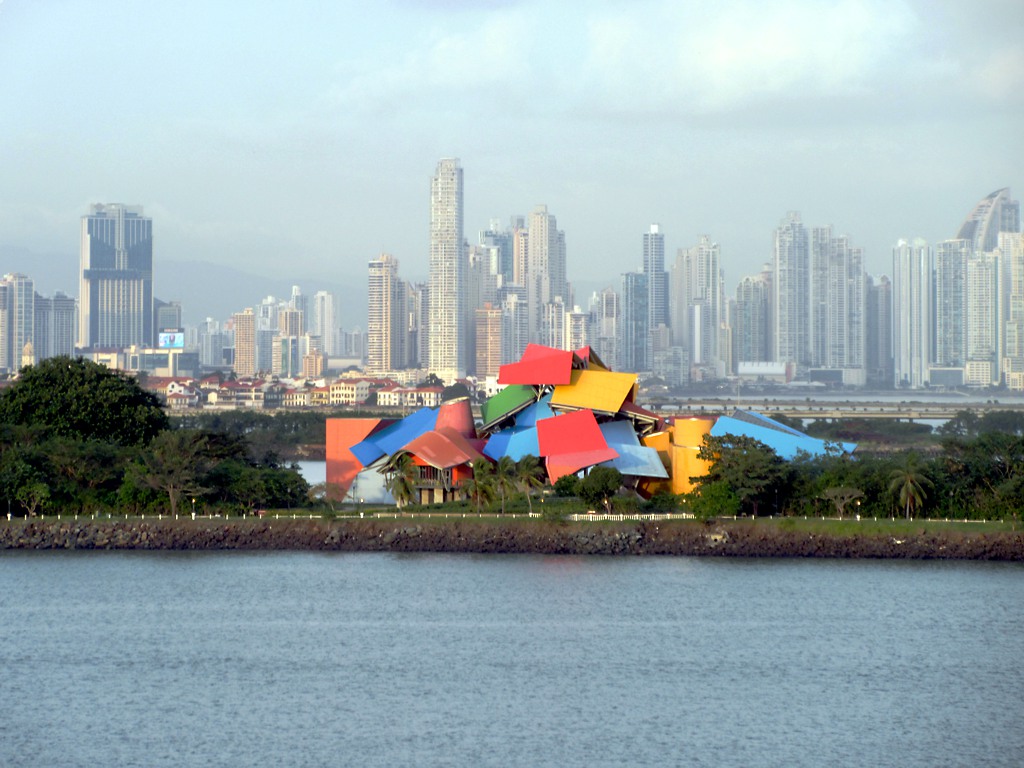
Plan around the weather. The wet season brings afternoon downpours and slippery trails, so mornings are better then, and insect repellent and water are essential year-round. The park is reachable by taxi, ride-hailing or bus, and the visitor center is a good place to ask about trail conditions. It pairs well with the Biomuseo, which highlights the same biodiversity from a museum angle, and with a late breakfast in the city. If you want a guided walk, local operators offer birdwatching and nature outings, which can be worth it for spotting well-camouflaged animals.
What to expect
The experience
A self-guided hike on marked forest trails, with a viewpoint at Cerro Cedro and chances to see monkeys and birds.
Best time
Early morning, when wildlife is active and the air is cooler.
How long
From an easy hour on short trails to three hours on the longer routes.
Tips
Wear grippy shoes, carry water and insect repellent, and start early, especially in the wet season.
Quick picks
- Best for
- Nature lovers who want a rainforest walk without leaving the city.
- Families
- Good for children on the short, flat El Roble and Los Momotides trails.
- Couples
- A quiet morning walk with a skyline reward at the lookout.
- Pair with
- The Biomuseo, which covers the same biodiversity story indoors.
- Time needed
- Half a morning.
Good questions
When is the park open?+
The tourism authority lists daily opening from early morning to mid-afternoon. Confirm hours at the visitor center.
Do I need a guide?+
No, the seven trails are marked and no guide is required. A guide can help with spotting wildlife.
What is the best trail?+
The Mono Titi Path to the Cerro Cedro viewpoint is the classic. Easier options are El Roble and Los Momotides.
What animals can I see?+
Birds, monkeys, agoutis and coatis are common, and sloths are possible. The park lists hundreds of bird species.
Is there an entrance fee?+
Yes, paid at the visitor center, with a lower rate for Panamanians. Non-nationals pay a few US dollars.