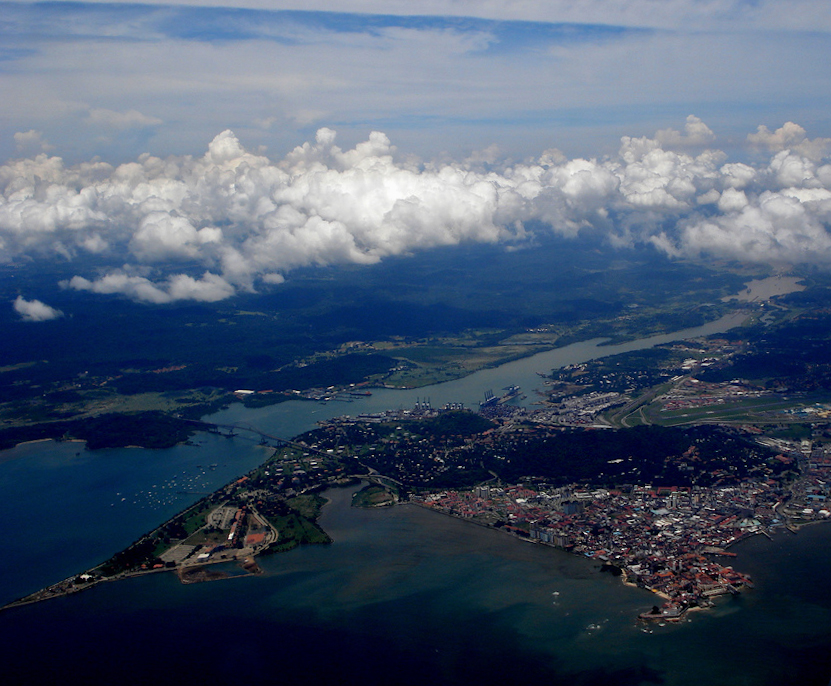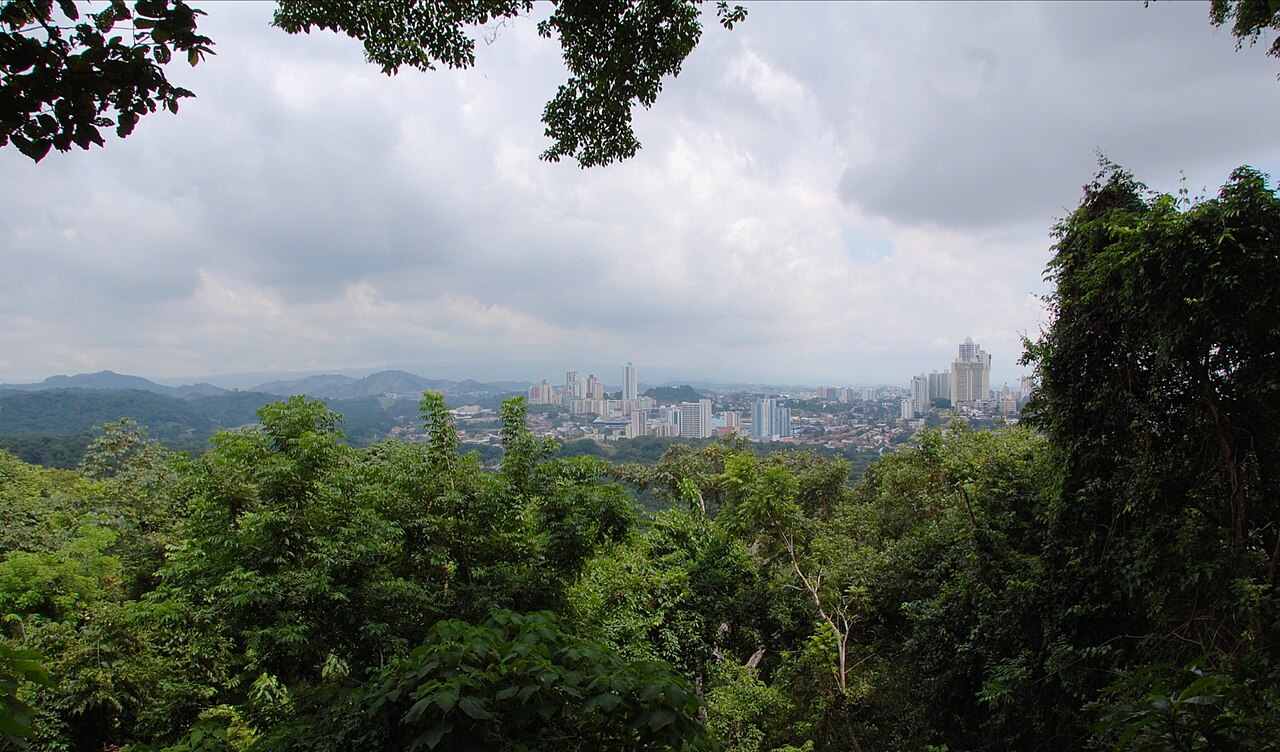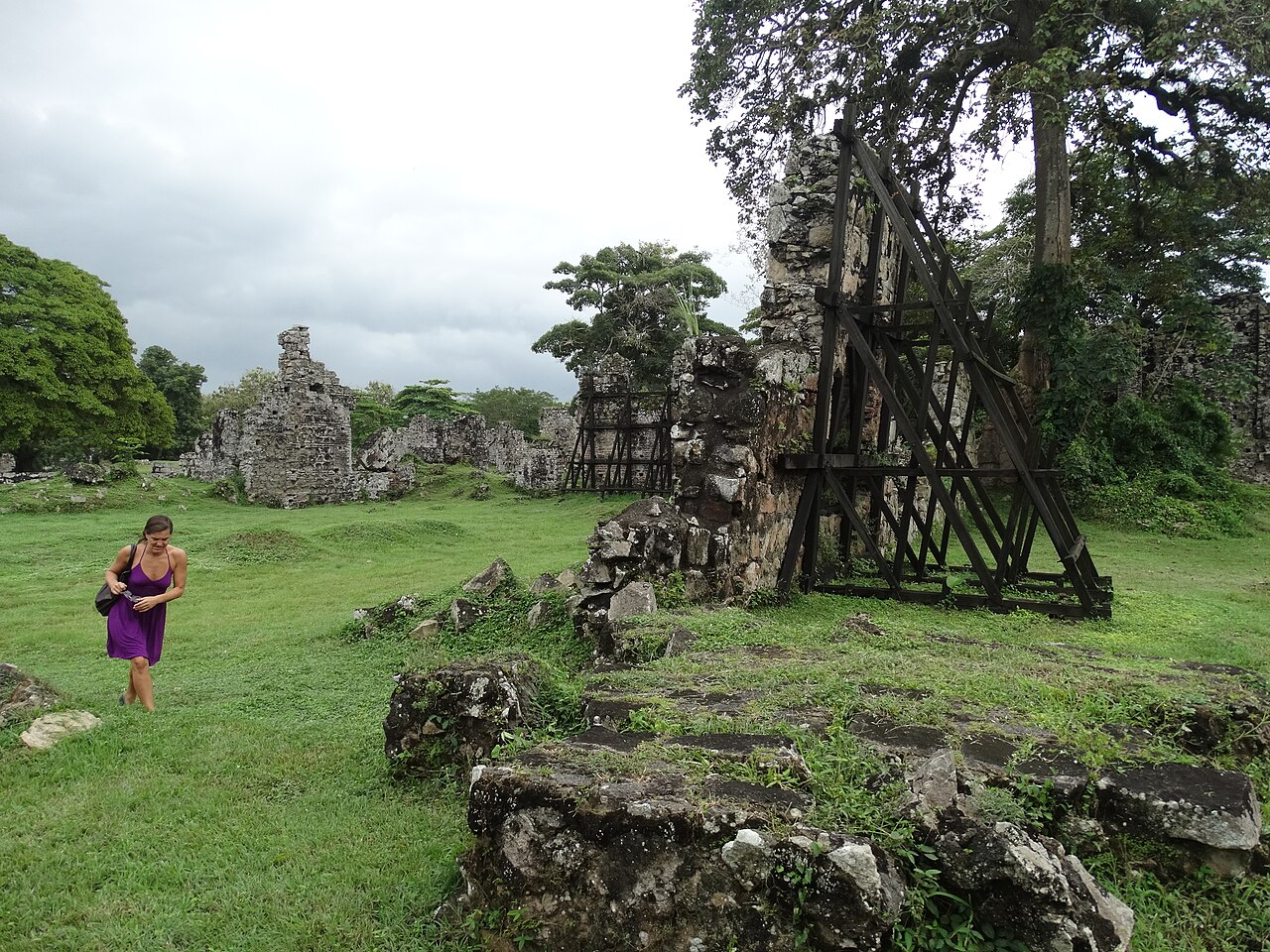
Panama Viejo is where Panama City began. The Spanish founded the settlement in 1519 on the Pacific coast, and it grew into a rich staging post for the gold and silver that crossed the isthmus. In 1671 the privateer Henry Morgan sacked and burned it, and the city was moved to the Casco Viejo peninsula a few kilometres west. The ruins, now part of a UNESCO World Heritage listing, preserve the stone shell of the cathedral and its bell tower, convents, houses and the layout of streets, spread across a grassy archaeological park beside the bay. The national tourism authority describes the bell tower climb as a highlight, with views of the modern skyline rising behind the old walls. The contrast is the point: a city that has moved twice, now looking at its own origins. Entry arrangements and any tower fee are best confirmed at the gate.
Allow yourself to read the ruins. The cathedral tower is the best-preserved feature, and the convent and hospital remains show how the city's institutions were laid out. Information panels and a site museum explain the colony's history, including its role in the Spanish trade route, the multicultural community of Spaniards, Indigenous people and enslaved Africans, and the economic importance of the isthmus. Walking the paths, you pass foundations of buildings that once housed merchants and clergy, and the sea is only a short distance away, reminding you why the site was chosen and why it was vulnerable.
The visit is easy and short. It is best early in the morning, when it is cooler and the light is good for photographs, because there is little shade across the park. Wear comfortable shoes and a hat, and bring water. The tower climb involves narrow stairs, so it may not suit everyone. Hours and fees are not listed on the tourism page, so confirm them locally or ask your hotel before heading out. A taxi or ride-hailing car from the centre takes roughly ten to fifteen minutes, and the site is also reachable by bus.
How it fits: Panama Viejo is a natural companion to Casco Viejo. Seeing the ruins first makes the colonial peninsula make sense, as the new city was designed to be defensible after the sack. A good history day starts at Panama Viejo in the morning, then moves to Casco Viejo for lunch and an afternoon walk. There is also an artisan market near the site where you can buy crafts and souvenirs. For those short on time, the tower climb and a quick stroll through the main ruins takes about an hour.
What to expect
The experience
A self-guided walk through the archaeological park with the cathedral ruins, convent remains and a bell tower climb.
Best time
Early morning, for cooler temperatures and good light.
How long
One to two hours depending on how much you read and whether you climb the tower.
Tips
Wear a hat and comfortable shoes, bring water and confirm hours and fees locally before going.
Quick picks
- Best for
- History lovers and anyone who wants to understand why Panama City moved.
- Families
- Fine for older children who enjoy ruins; little shade for young ones.
- Couples
- A quiet, atmospheric morning before lunch in Casco Viejo.
- Pair with
- Casco Viejo, which replaced the original city after 1671.
- Time needed
- A morning.
Good questions
Why was Panama Viejo abandoned?+
Henry Morgan sacked and burned it in 1671. The city was rebuilt in a more defensible location, now Casco Viejo.
Can I climb the tower?+
The national tourism page describes the bell tower climb with skyline views. The stairs are narrow, so check access on arrival.
Is it UNESCO listed?+
Yes, as part of the Archaeological Site of Panama Viejo and Historic District of Panama listing.
How do I get there?+
By taxi or ride-hailing in about ten to fifteen minutes from the centre, or by bus in roughly half an hour.
How long should I allow?+
About one to two hours, longer if you read the exhibits and visit the artisan market.